1984 // VHS
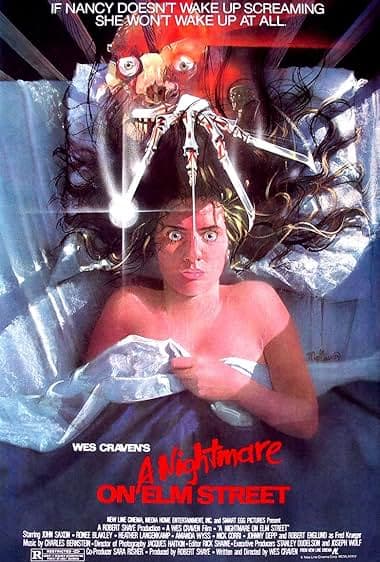
A Nightmare on Elm Street
A Nightmare on Elm Street: family and the safety of home, and why this 1984 movie still matters.
Please Rewind // Franchise Archive
Explore Freddy Krueger, the Elm Street nightmares, films, cast and characters across the franchise.
Cast Directory
The actors behind the A Nightmare on Elm Street movies — from the faces that defined the series to the supporting players who helped bring the world to life.

6 Films
Glendale
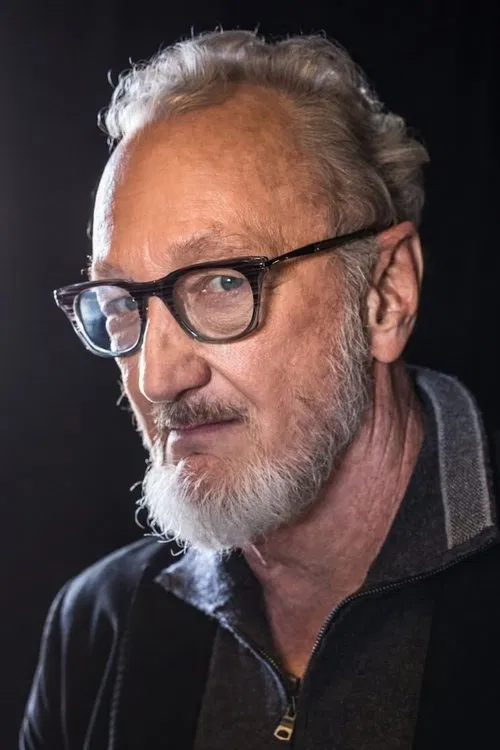
Robert Englund has spent much of his career proving that a familiar face can still keep an audience uneasy. Born in Glendale, California, on June 6, 1947, he began studying acting at twelve and later trained at UCLA, Oakland University and the Meadow Brook Theater. Five years in regional theatre, including work in plays by Shakespeare and Bernard Shaw, gave him a foundation that would serve him well once his screen career took a darker turn. Early film roles often cast Englund as a nerd or a redneck. By 1981, he was firmly in genre territory, appearing in Dead & Buried and playing Ranger in Roger Corman’s Galaxy of Terror. He gained wider attention as Willie, a Visitor technician and resistance fighter, in the television miniseries V and its follow-ups. Then came the role that changed the shape of his career. Englund went against type as Freddy Krueger in Wes Craven’s A Nightmare on Elm Street in 1984. Behind the makeup, he created a villain who was not merely threatening but theatrical, using movement, timing and a cruel sense of play to make Freddy more than a standard movie monster. Englund returned for A Nightmare on Elm Street 2: Freddy’s Revenge, Dream Warriors, The Dream Master, The Dream Child and Freddy’s Dead: The Final Nightmare, later reprising the role again in Wes Craven’s New Nightmare and another film. His long association with Freddy became one of horror cinema’s most sustained actor-character pairings. Englund’s work extends well beyond Elm Street. He has accumulated more than 100 film and television appearances, along with voice roles including Felix Faust, the Riddler, the Vulture and Dormammu. He also moved behind the camera, making his feature directing debut with 976-EVIL in 1988 and later directing Killer Pad and two episodes of Freddy’s Nightmares. In 2022, he appeared in Stranger Things as Victor Creel, a casting choice that drew neatly on his long history with screen horror. He received a star on the Hollywood Walk of Fame on Halloween 2025—a fitting date for an actor whose career has made fear feel like performance.

2 Films
Owensboro
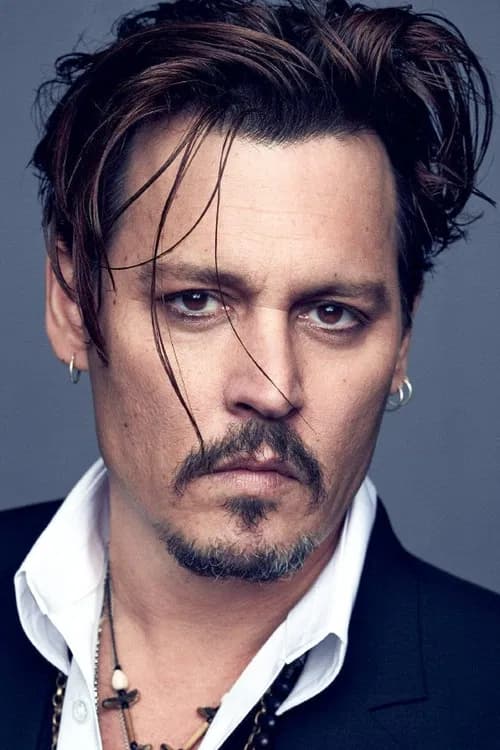
Johnny Depp has built a screen career around characters who rarely fit comfortably into the ordinary world. Born on June 9, 1963, in Owensboro, Kentucky, he first pursued music, playing guitar in bands before acting became his profession. His early film appearances included A Nightmare on Elm Street and a supporting role in Platoon, but the shape of his career became clearer with two very different 1990 releases: John Waters’s musical comedy Cry-Baby and Tim Burton’s romantic fantasy Edward Scissorhands. Edward Scissorhands established Depp’s gift for finding vulnerability inside an outlandish figure. That balance—part theatrical flourish, part wounded reserve—would recur throughout his work, especially in his collaborations with Burton. In Ed Wood, he played the relentlessly optimistic filmmaker of the title; Sleepy Hollow gave him the delicate, easily rattled Ichabod Crane; Charlie and the Chocolate Factory cast him as Willy Wonka; and the stop-motion Corpse Bride used his voice for Victor Van Dort. Depp has also proved effective when the costumes and fantasy are stripped away. Donnie Brasco placed him opposite Al Pacino as undercover FBI agent Joseph Pistone, while Fear and Loathing in Las Vegas pushed his appetite for transformation into the feverish territory of Hunter S. Thompson’s alter ego, Raoul Duke. Together, those films show the range beneath his reputation for eccentricity: he can hold a crime drama steady or make instability the entire point of the performance. His most widely recognized role arrived with Captain Jack Sparrow in Pirates of the Caribbean: The Curse of the Black Pearl. Depp returned for Dead Man’s Chest and At World’s End, carrying the series with a comic performance built on loose-limbed movement, strange calculation and a constant sense that Jack may be improvising his way out of trouble. Across horror, fantasy, animation, comedy and crime, Depp’s filmography is tied together by an enduring interest in outsiders—and by his determination to make each one move, speak and think according to a peculiar rhythm of their own.

1 Film
Augusta
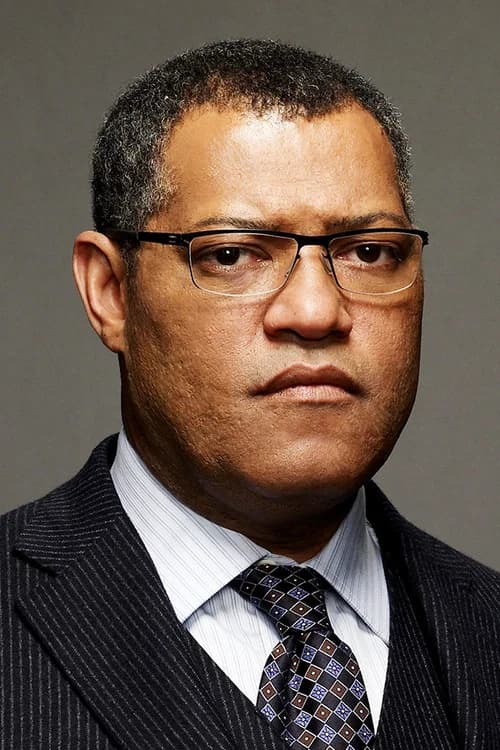
Laurence Fishburne has the kind of screen presence that can steady a film or make it feel more dangerous. Born in Augusta, Georgia, in 1961 and raised in Brooklyn, he began acting as a child, initially working under the name Larry Fishburne. His early career included television, theatre and a role in Apocalypse Now, filmed after he lied about his age to join the production. Through the 1980s, Fishburne moved easily between very different corners of American cinema. He appeared in Death Wish II and The Color Purple, played a hospital orderly in A Nightmare on Elm Street 3: Dream Warriors, and featured alongside Arnold Schwarzenegger and James Belushi in Red Heat. By the time he starred in Boyz n the Hood in 1991, his ability to project intelligence, discipline and hard-earned authority had become central to his appeal. His work was never confined to film. Fishburne won a Tony Award for August Wilson’s Two Trains Running and an Emmy for the TriBeCa episode “The Box.” He later received an Oscar nomination for playing Ike Turner in What’s Love Got to Do with It and took the title role in Othello. As a playwright, director and actor, he also created the stage production Riff-Raff. For many viewers, Fishburne remains most closely associated with Morpheus, Neo’s hacker-mentor in The Matrix. His measured delivery and commanding stillness helped give the film’s elaborate science-fiction ideas their weight. He returned as Morpheus in The Matrix Reloaded and The Matrix Revolutions in 2003. That role sits within a career willing to move between genres rather than settle into one lane. Fishburne brought his authority to the science-fiction horror of Event Horizon and appeared in the crime drama Mystic River. His later work has extended across television, stage, voice acting, writing, directing and producing, reinforcing the range behind one of modern cinema’s most recognisable voices and presences.
The collection
Rewind the movies that built the A Nightmare on Elm Street franchise.

1984 // VHS
A Nightmare on Elm Street: family and the safety of home, and why this 1984 movie still matters.

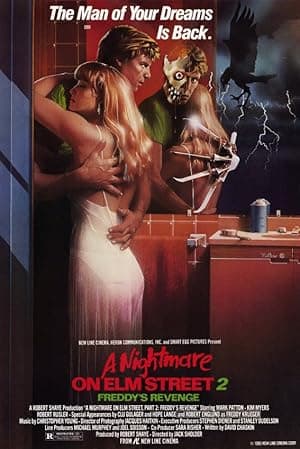
1985 // VHS
A Nightmare on Elm Street 2: Freddy's Revenge: the safety of home and family, and why this 1985 movie still matters.

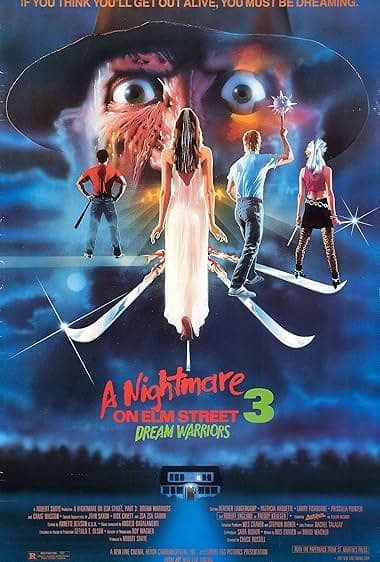
1987 // VHS
Nancy comes back to teach a new generation to fight Freddy — and she brings a team.

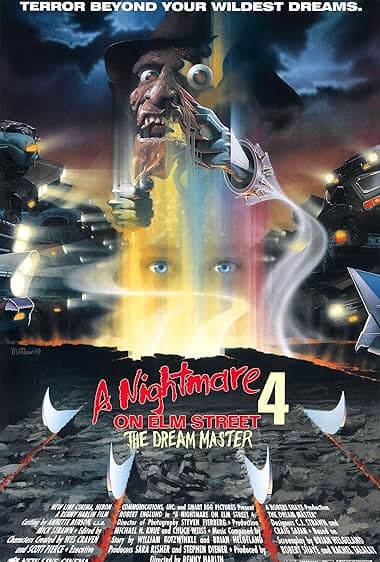
1988 // VHS
A Nightmare on Elm Street 4: The Dream Master: parents protecting their children and friendship, and why this 1988 movie still matters.

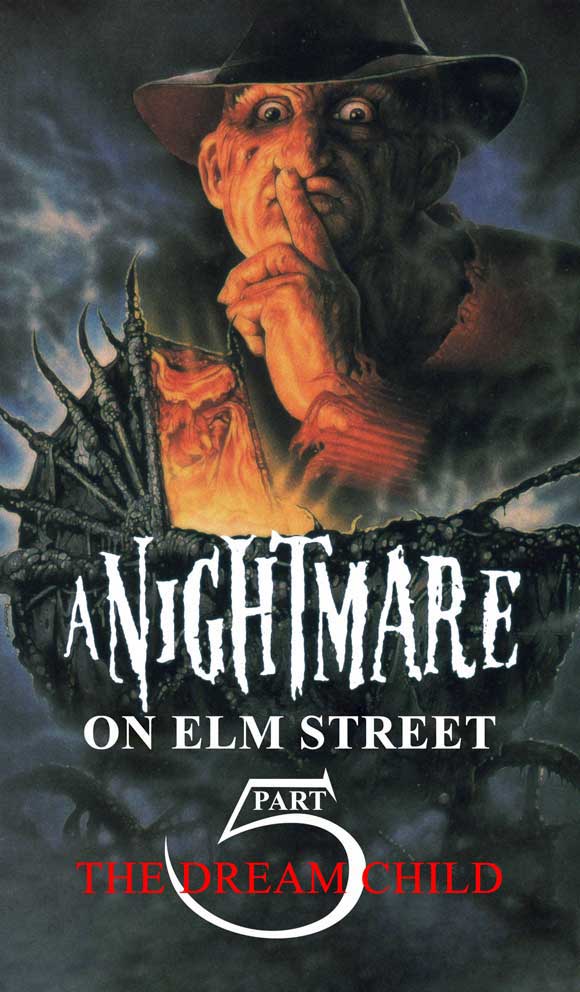
1989 // VHS
A Nightmare on Elm Street 5: The Dream Child: family and parents protecting their children, and why this 1989 movie still matters.

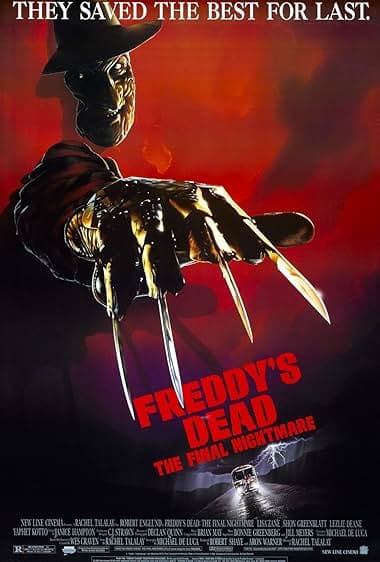
1991 // VHS
A road trip into Springwood, a therapist with secrets, and Freddy still finding new ways to get under your skin.