Rental copy● Available

Staff pick
Science Fiction / Adventure
1977 // VHS
Star Wars: A New Hope
SPStereoTracking: Auto
"Strike Me Down And I Will Become More Powerful Than You Will Ever Know"
Rewind this one →Be kind
Please Rewind // Franchise Archive
Travel to a galaxy far, far away and explore the Star Wars films, cast and characters, from Luke Skywalker, Princess Leia and Darth Vader to Anakin Skywalker, Obi-Wan Kenobi and the fall of the Jedi.
Cast Directory
The actors behind the Star Wars movies — from the faces that defined the series to the supporting players who helped bring the world to life.
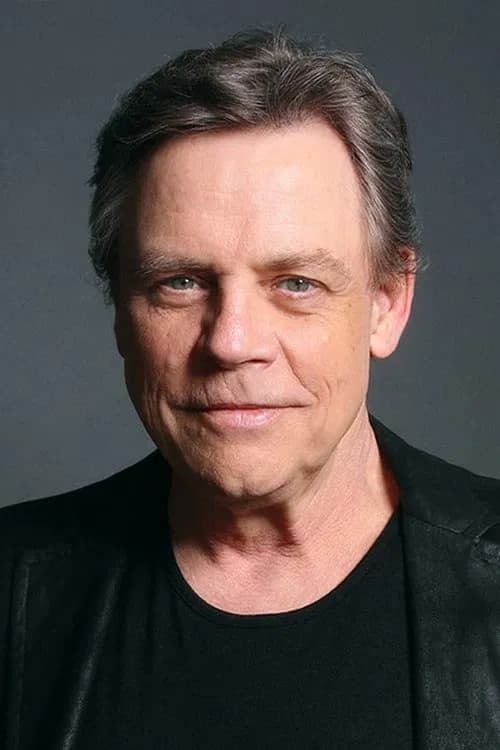
3 Films
Luke Skywalker
Oakland, California,USA
Mark Hamill has spent much of his career both embracing and pushing beyond the role that made him famous. Born in Oakland, California, on September 25, 1951, he moved frequently as a child because of his father’s career as a U.S. Navy captain. While attending high school in Japan, Hamill joined the drama club, and he later studied drama at Los Angeles City College. Early television work included a recurring part on General Hospital and a starring role in the sitcom The Texas Wheelers. Then came Luke Skywalker. In Star Wars: A New Hope (1977), Hamill gives the story its open-hearted center, playing Luke as an impatient dreamer whose excitement, uncertainty and courage make the film’s enormous world feel personal. It is the kind of performance that can look deceptively straightforward: Luke has to carry the audience from an ordinary life into myth, and Hamill makes that transition easy to follow. The success of Star Wars tied Hamill closely to the character, but his career soon began branching in different directions. He appeared in Corvette Summer and The Big Red One, then took on stage work in productions including The Elephant Man, Amadeus, Room Service and The Nerd. He also returned to Luke across later Star Wars films, including The Empire Strikes Back, Return of the Jedi, The Force Awakens, The Last Jedi and The Rise of Skywalker. Hamill’s voice work reveals another side of his range. Beginning with Batman: The Animated Series in 1992, he developed a long association with the Joker across animated series, films and video games. His other voice roles include Fire Lord Ozai in Avatar: The Last Airbender and Skips in Regular Show. He has also worked as a writer and director, co-writing the comic-book miniseries The Black Pearl and directing Comic Book: The Movie. Luke Skywalker remains central to Hamill’s screen story, but it is only one part of a career spanning film, television, theatre, animation, games and comics.
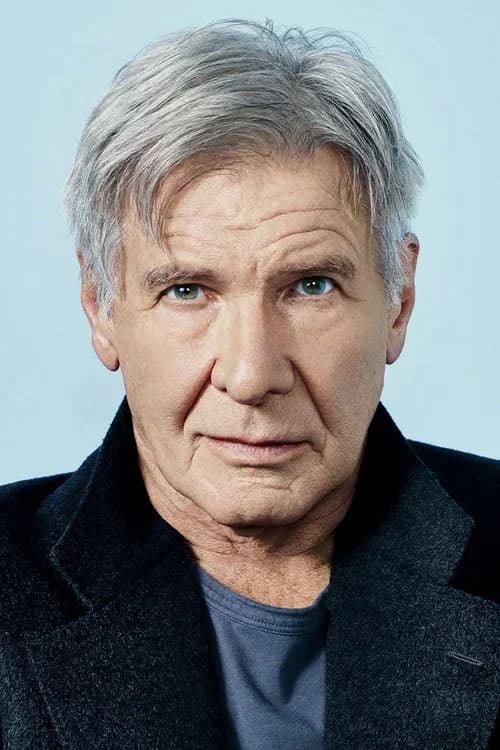
3 Films
Han Solo
Chicago
Harrison Ford has built a career on making movie-scale heroics feel grounded. Born in Chicago on July 13, 1942, he came to acting as a self-described late bloomer, taking a drama class at Ripon College to overcome his shyness. His early screen work was limited, and he supported his family as a self-taught professional carpenter before American Graffiti gave him a significant role as Bob Falfa. His casting as Han Solo in Star Wars changed the shape of his career. Ford brought the space opera a loose, skeptical energy, playing Solo as a capable rogue who would rather crack a remark than explain himself. Raiders of the Lost Ark then gave him a second defining role as Indiana Jones. The archaeologist’s appeal depended on Ford’s particular balance of confidence, irritation and physical vulnerability: Indy could take charge, but the movies never let him look invincible. Ford’s filmography extends well beyond those two franchises. As Rick Deckard in Blade Runner, he occupied a colder, more uncertain kind of science fiction. Witness and The Mosquito Coast allowed him to pursue more dramatic territory with director Peter Weir, while Working Girl showed his ease in comedy-drama. Presumed Innocent, Patriot Games, Clear and Present Danger, The Fugitive and Air Force One further established his restrained approach to thrillers. Even when the circumstances grew extreme, Ford often played the scene rather than the spectacle. Later work has allowed him to revisit familiar characters without simply repeating the original performances. He returned as Han Solo in Star Wars: The Force Awakens, as Deckard in Blade Runner 2049 and, for the final time, as Indiana Jones in Indiana Jones and the Dial of Destiny. He also moved into prominent television roles in 1923 and Shrinking, receiving praise and several award nominations for the latter. Across adventure, science fiction, drama, comedy and television, Ford’s screen presence has remained direct and economical. He rarely seems interested in advertising a character’s importance. He gets on with the job—and that has long been central to his appeal.
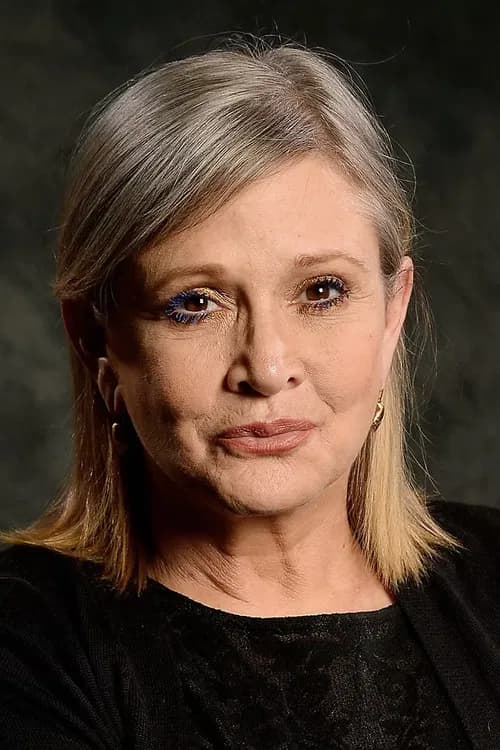
3 Films
Princess Leia Organa
Beverly Hills
Carrie Fisher brought together qualities that rarely sit so comfortably in one career: movie-star presence, sharp comic timing and a writer’s instinct for cutting through appearances. Born on October 21, 1956, she began as a reader and poetry writer before appearing on Broadway with her mother, Debbie Reynolds, in the 1973 revival of Irene. Her film debut followed in Shampoo in 1975. Two years later, Fisher became Princess Leia in Star Wars, opposite Mark Hamill and Harrison Ford. She returned for The Empire Strikes Back and Return of the Jedi, giving Leia an authority and impatience that made the character far more than someone waiting to be rescued. Decades later, Fisher reprised the role in The Force Awakens and completed her work on The Last Jedi shortly before her death in 2016. She later appeared in The Rise of Skywalker through previously unreleased footage. Leia may have been her defining screen role, but Fisher was consistently good at arriving in a film and changing its temperature. She played the determined Mystery Woman in The Blues Brothers, appeared in Hannah and Her Sisters and brought dry, clear-eyed wit to When Harry Met Sally... Her television work included 30 Rock, which earned her an Emmy nomination, and Catastrophe, which brought another posthumous nomination. Fisher’s writing career was every bit as important to her body of work. Her first novel, Postcards from the Edge, became a bestseller, and she adapted it into the 1990 film starring Meryl Streep and Shirley MacLaine. She also spent years as a Hollywood script doctor, polishing dialogue and screenplays, often without credit. Her one-woman show and autobiographical book Wishful Drinking turned personal history into unsentimental comedy. The later memoir The Princess Diarist drew on diaries kept during the original Star Wars films, and its audiobook earned a posthumous Grammy. Across acting, fiction, screenwriting and performance, Fisher’s greatest tool was the same: a voice that could be candid, funny and exact all at once.
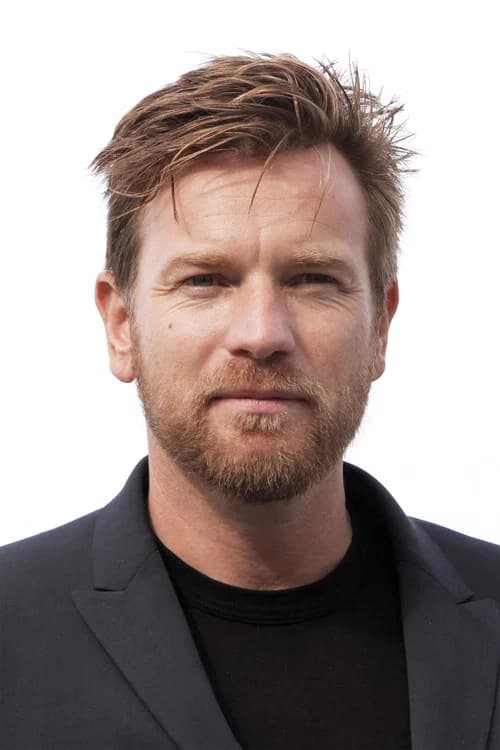
3 Films
Obi-Wan Kenobi
Perth
Ewan McGregor has built a career on an appealing kind of restlessness. Born in Perth, Scotland, on 31 March 1971 and raised in nearby Crieff, he left school at 16, worked as a stagehand at Perth Theatre and studied drama before moving to London to attend the Guildhall School of Music and Drama. His screen career began before graduation with a leading role in Dennis Potter’s Channel 4 series Lipstick on Your Collar. After making his film debut in Bill Forsyth’s Being Human, McGregor began his collaboration with director Danny Boyle in Shallow Grave. Their next film, Trainspotting, gave him his international breakthrough as Mark Renton, a role he would revisit more than two decades later in T2 Trainspotting. McGregor’s filmography is marked by sharp changes of tone. He played rock star Curt Wild in Todd Haynes’s Velvet Goldmine, the romantic poet Christian in Moulin Rouge! and the younger Edward Bloom in Tim Burton’s Big Fish. He also entered one of cinema’s biggest fictional worlds as the young Obi-Wan Kenobi in the Star Wars prequel trilogy, later returning to the role for the 2022 Disney+ series Obi-Wan Kenobi. Alongside those large-scale productions, he has taken on thrillers, dramas, musicals, comedy and voice work. His credits include Black Hawk Down, Young Adam, The Ghost Writer, Salmon Fishing in the Yemen, The Impossible, Christopher Robin, Doctor Sleep and Guillermo del Toro’s Pinocchio. On television, his dual performance as Emmit and Ray Stussy in Fargo earned him a Golden Globe, while Halston placed him at the centre of another character-driven miniseries. Theatre has remained an important part of his work, from Guys and Dolls and Othello in London to his Broadway debut in The Real Thing. He expanded into filmmaking with American Pastoral, his 2016 directorial debut, in which he also starred. Across film, television and the stage, McGregor’s career has been defined less by one fixed persona than by a willingness to keep shifting shape.
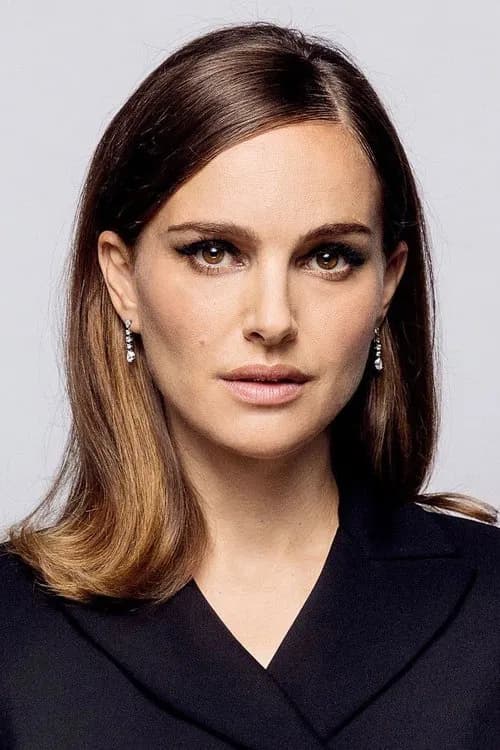
3 Films
Queen Amidala / Padmé
Mount Scopus, Jerusalem
Natalie Portman has built a career around contrasts: composure and volatility, intelligence and vulnerability, large-scale spectacle and intimate character work. Born Natalie Hershlag on June 9, 1981, at Hadassah Medical Center in Mount Scopus, Jerusalem, she moved to the United States with her family at three and later adopted Portman, her paternal grandmother’s maiden name, as her stage name. Her screen career began young, with the demanding role of Mathilda in Léon: The Professional, followed by appearances in Heat, Beautiful Girls, Everyone Says I Love You and Mars Attacks! Those early performances established her ability to suggest more than the dialogue necessarily spelled out. She could seem watchful and self-possessed while still letting uncertainty show underneath. For a much wider audience, Portman became Queen Amidala and Padmé in Star Wars: Episode I – The Phantom Menace. The role called for a deliberately formal presence, and Portman drew inspiration from Lauren Bacall, Audrey Hepburn and Katharine Hepburn while developing the character’s voice and stature with George Lucas. Beneath the costumes and ceremony, her performance distinguishes the commanding public figure from the young woman behind the title. Portman later moved between romantic drama, political thriller, science fiction, comedy and superhero filmmaking. Her performance in Closer earned a Golden Globe and an Academy Award nomination, while Black Swan brought her the Academy Award for Best Actress. She received another Best Actress nomination for playing Jacqueline Kennedy in Jackie. Other prominent roles include Evey Hammond in V for Vendetta, Jane Foster in Thor, the biologist at the centre of Annihilation and an actress investigating a controversial marriage in May December. Her work also extends beyond acting. Portman has produced, written and directed, making her feature directorial debut with the Hebrew-language A Tale of Love and Darkness. Whether working inside a franchise or carrying a psychologically demanding drama, she is drawn to characters whose outward control conceals something more unsettled—and that tension has given her career its distinctive shape.
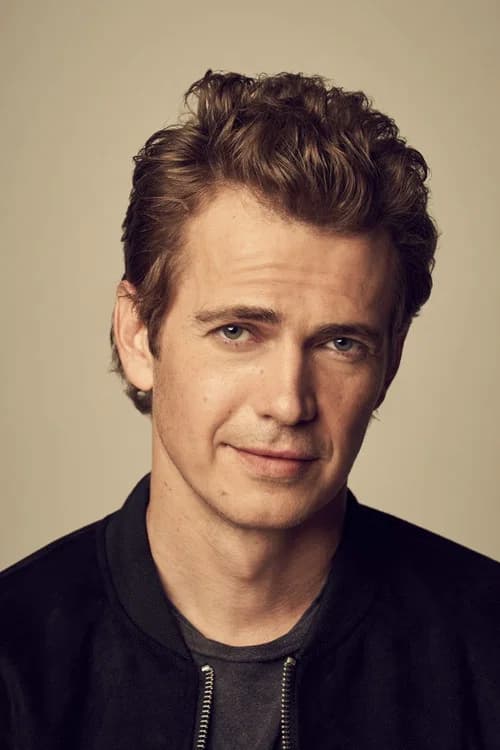
3 Films
Vancouver, Canada
Born in Vancouver on April 19, 1981, Hayden Christensen is a Canadian actor whose career has moved between intimate drama, large-scale science fiction, theatre and television. He began appearing in commercials as a child and made his acting debut at 12 in the German-Canadian series Family Passions. Early screen credits included In the Mouth of Madness, Goosebumps, The Virgin Suicides and Higher Ground. Christensen’s performance as a troubled teenager in Life as a House brought Golden Globe and SAG Award nominations, along with the National Board of Review’s Breakthrough Performance of the Year award. In Shattered Glass, he played journalist Stephen Glass, building the character around an uneasy mix of charm, ambition and deception. The role remains a useful reminder of the tension Christensen can bring to characters whose outward confidence masks something far less settled. His career became inseparable from Star Wars when George Lucas cast him as the adult Anakin Skywalker in Attack of the Clones and Revenge of the Sith. Christensen had the difficult job of connecting the innocent child seen in The Phantom Menace with Darth Vader, one of cinema’s most familiar villains. The films initially brought mixed responses to his performance, but later reassessment has been considerably warmer, particularly toward the physical and emotional commitment of Revenge of the Sith. Away from the galaxy far, far away, Christensen took on thrillers, action films and romantic comedy, including Awake, Jumper, Takers, Vanishing on 7th Street, Outcast, First Kill and Little Italy. He also worked onstage, making his London theatre debut in This Is Our Youth in 2002. His eventual return to Anakin and Vader gave his career an unusual second chapter. After voice appearances in The Rise of Skywalker and The Clone Wars, he reprised the role on screen in Obi-Wan Kenobi and Ahsoka. Those appearances allowed him to revisit Anakin from new angles while reconnecting the character’s younger hopefulness, wartime confidence and final descent. It is a role that has followed Christensen for decades, but also one he has continued to reshape.
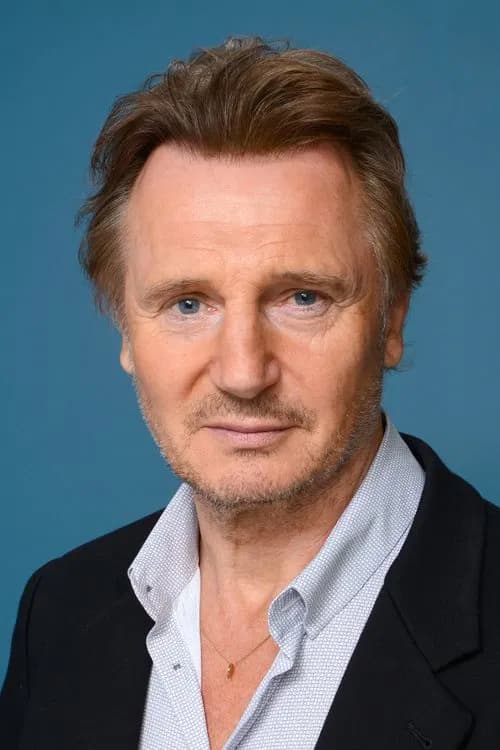
1 Film
Qui-Gon Jinn
Ballymena, County Antrim, N. Ireland, UK
Liam Neeson has built a career on a rare combination of physical authority, restraint, and a voice that carries its own dramatic weight. Born in Ballymena, County Antrim, on 7 June 1952, he discovered a love of drama at St Patrick's College and acted in school productions before joining Belfast's Lyric Players Theatre in 1976. Those stage roots have remained central to the measured, commanding quality of his screen work. After early theatre, television and film roles, Neeson moved into increasingly prominent parts. His performance as Oskar Schindler in Steven Spielberg's Schindler's List brought an Academy Award nomination for Best Actor, while his stage career included Tony-nominated performances in Anna Christie and The Crucible. Historical dramas also made strong use of his stature and seriousness, with leading roles in Rob Roy, Michael Collins and Les Misérables. For Please Rewind, Neeson appears in Star Wars: Episode I – The Phantom Menace as Jedi Master Qui-Gon Jinn. The role matched his strengths: calm without passivity, authoritative without needing to dominate every scene. Neeson later returned to Qui-Gon through voice work and further appearances across Star Wars television and film. His career took another major turn with Taken in 2008. Playing a retired CIA operative searching for his kidnapped daughter, Neeson became closely associated with action thrillers, leading films including Unknown, The Grey, Non-Stop, Run All Night and The Commuter. The shift worked because those performances drew on qualities already visible throughout his career: imposing presence, controlled intensity and the sense that thought is happening beneath the action. Neeson's work has continued to range beyond that action persona. He has performed on stage, acted across film and television, narrated documentaries and voiced characters including Aslan in the Chronicles of Narnia films. In 2025, he played Frank Drebin Jr. in The Naked Gun, a comic departure that also played directly on his established action-star image.
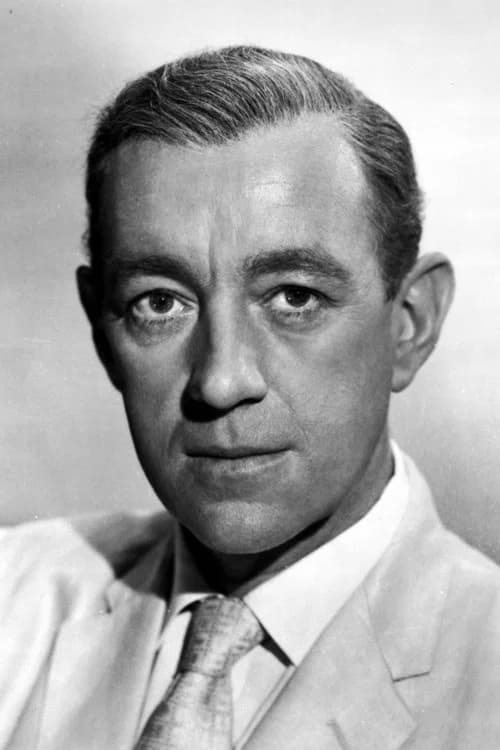
3 Films
Obi-Wan Kenobi
Marylebone
Alec Guinness built a career on transformation, restraint and a quietly commanding screen presence. Born in Marylebone on 2 April 1914, he began in advertising before entering the theatre in 1934. His years at the Old Vic and his many Shakespearean roles gave him a formidable stage foundation, but film revealed just how readily he could shift between gravity, eccentricity and dry comedy. His speaking film debut came in David Lean’s Great Expectations in 1946, reprising the role of Herbert Pocket from his own stage adaptation of the Dickens novel. Guinness became closely associated with the Ealing comedies, most spectacularly playing eight characters in Kind Hearts and Coronets. The Lavender Hill Mob, The Man in the White Suit and The Ladykillers further demonstrated his gift for making odd, tightly controlled characters feel entirely lived in. His collaborations with Lean brought another dimension to that talent. As Colonel Nicholson in The Bridge on the River Kwai, Guinness played discipline hardening into obsession and won the Academy Award and BAFTA Award for Best Actor. Lean later cast him as Prince Faisal in Lawrence of Arabia, Yevgraf in Doctor Zhivago and Professor Godbole in A Passage to India. Guinness could occupy the centre of a film or alter its temperature from the edges. For a later generation, he became Obi-Wan Kenobi in the original Star Wars trilogy. Guinness had mixed feelings about the material and the attention it brought him, yet his measured performance supplied the films with moral weight and old-world authority. On television, he found another defining role as George Smiley in Tinker Tailor Soldier Spy and Smiley’s People, winning the British Academy Television Award for Best Actor for both portrayals. Guinness was also a screenwriter and autobiographer, and his stage career continued until 1989. Across theatre, film and television, his work was marked less by showy transformation than by exact choices: a voice, a pause or a posture that could disclose an entire character.
5 Films
Senator Palpatine / Darth Sidious
Carnoustie, Scotland, UK
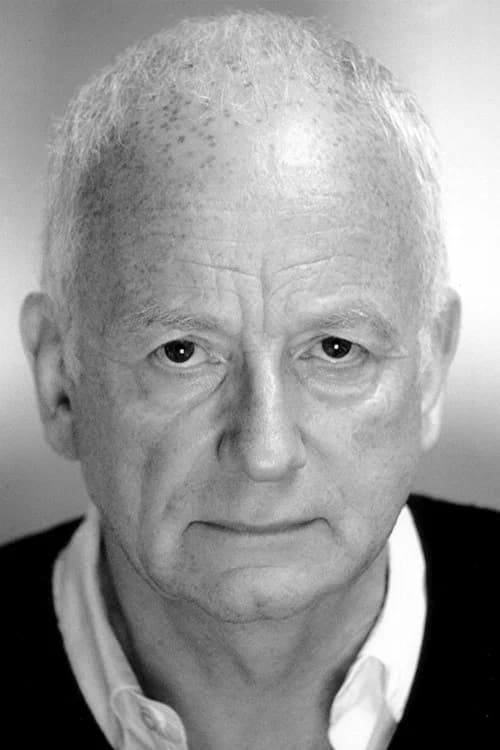
Ian McDiarmid is a Scottish actor and theatre director whose career has moved between classical stage work and one of cinema’s most calculating villains. Born in Carnoustie, Angus, on 11 August 1944, he became fascinated by theatre at five after his father took him to a performance in Dundee. He initially studied psychology at Queen’s College, Dundee, before training at the Royal Scottish Academy of Music and Drama in Glasgow, where he received a gold medal for his work in 1968. Theatre has remained central to McDiarmid’s career. He has acted in productions of Hamlet, Macbeth, The Tempest, The Merchant of Venice and King Lear, while also working extensively as a director. From 1990 to 2001, he and Jonathan Kent served as artistic directors of London’s Almeida Theatre. His performance as Teddy in Brian Friel’s Faith Healer earned him the Almeida Theatre’s Critics’ Circle Award for Best Actor in 2002. He later reprised the role for his Broadway debut and won the 2006 Tony Award for Best Performance by a Featured Actor in a Play. For movie audiences, McDiarmid is inseparable from Palpatine. After a minor role in Dragonslayer, he was cast as the Emperor in Return of the Jedi. Sixteen years later, he returned for Star Wars: Episode I – The Phantom Menace, playing both the outwardly agreeable Senator Palpatine and his concealed Sith identity, Darth Sidious. The film gives McDiarmid two distinct modes to play: the measured politician working comfortably inside public institutions and the shadowy figure directing events from outside them. His controlled voice and deliberate manner make the contrast effective without turning it into two disconnected performances. McDiarmid continued the role through Attack of the Clones and Revenge of the Sith, then returned on screen in Star Wars: The Rise of Skywalker. He also appeared as Darth Sidious in Obi-Wan Kenobi and voiced the character in Star Wars: The Bad Batch. It is a performance shaped by the same tools visible throughout his theatre career: vocal control, physical restraint and an evident understanding of how power can be performed.
2 Films
Chattanooga, Tennessee, USA
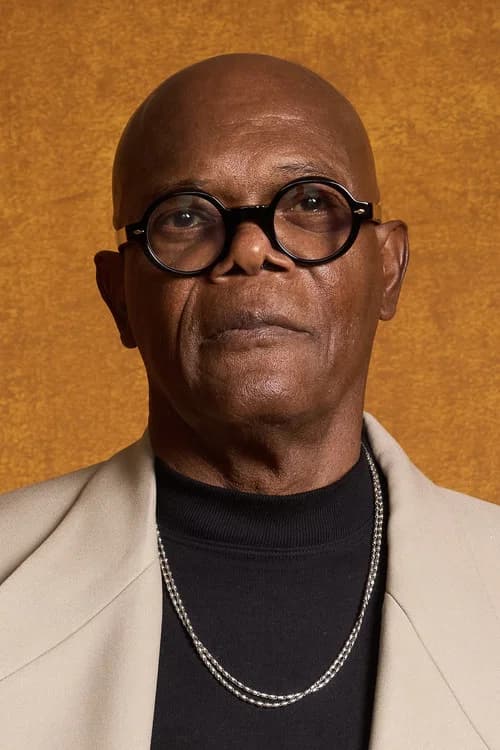
Samuel L. Jackson has built a screen career around force, precision and an instinct for making dialogue land. Born in Washington, D.C., on December 21, 1948, and raised in Chattanooga, Tennessee, he discovered acting while attending Morehouse College. He switched his focus to drama, co-founded the Just Us Theatre and graduated in 1972. His foundation was the stage. After moving to New York City in 1976, Jackson spent years working in theatre, including productions of A Raisin in the Sun and August Wilson’s The Piano Lesson and Two Trains Running. Film recognition came gradually, helped by his collaborations with Spike Lee in School Daze, Do the Right Thing and Jungle Fever. His performance as a crack cocaine addict in Jungle Fever drew particular acclaim at the 1991 Cannes Film Festival. Pulp Fiction changed the scale of his career. As Jules Winnfield, Jackson turned Quentin Tarantino’s long, charged speeches into the engine of the performance, earning an Academy Award nomination and winning the BAFTA Award for Best Supporting Role. Yet he resisted simply repeating Jules. Die Hard with a Vengeance, A Time to Kill, Jackie Brown, Eve’s Bayou and The Negotiator gave him room to play anger, calculation, authority and vulnerability in sharply different ways. Jackson also became a steady presence in major franchises without losing the character-actor edge that shaped his early work. He played Jedi Master Mace Windu in the Star Wars prequels, Nick Fury across Marvel films and television, and voiced Frozone in The Incredibles. Other roles, from Mr. Glass in Unbreakable to Coach Carter and the title character in Shaft, show how naturally he can occupy both genre entertainment and character-led drama. His work extends beyond film acting to producing, television and voice performance. In 2022, he returned to Broadway as Doaker Charles in The Piano Lesson, receiving a Tony Award nomination. Across stage, screen and animation, Jackson’s defining quality remains control: he knows when to raise the temperature, when to hold back and how to make a character register immediately.

4 Films
C-3PO
Salisbury, Wiltshire, England
Anthony Daniels is an English actor best known for bringing one of cinema's most recognisable droids to life: the anxious, endlessly talkative and impeccably mannered protocol droid C-3PO in the Star Wars saga. When audiences first encountered C-3PO wandering across the deserts of Tatooine alongside R2-D2 in Star Wars in 1977, few could have imagined just how enduring the character — or Daniels' association with him — would become. Across decades of Star Wars films, television, animation and other productions, Daniels became inseparable from the golden protocol droid. C-3PO worries. C-3PO complains. C-3PO calculates terrible odds at exactly the moment nobody wants to hear them. And somehow, he remains one of the most lovable characters in the galaxy.
4 Films
R2-D2
Birmingham, England, UK
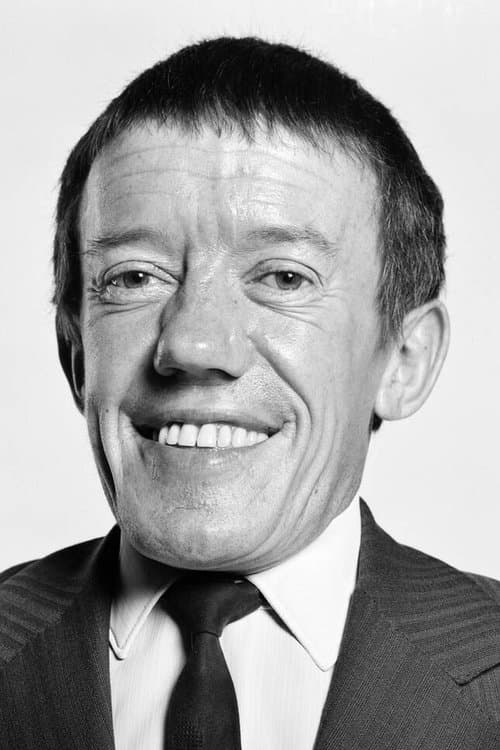
Kenny Baker’s most famous role hid his face but made full use of his instincts as a physical performer. As R2-D2, he helped give movement and personality to a metal droid, operating the unit from inside and controlling its turns, bows, wobbles and rotating dome. It was demanding work in a costume weighing about 80 pounds, often with very limited visibility. Born in Birmingham on 24 August 1934, Baker found his way into show business in 1951, when he was invited to join John Lester’s theatrical troupe of little people. A brief period in the circus followed, along with ice skating and appearances in ice shows. He later formed the comedy act The Mini Tones with Jack Purvis, performing in nightclubs before the opportunity to join George Lucas’s space fantasy arrived. Baker initially worried that accepting Star Wars would disrupt his successful partnership with Purvis. Instead, R2-D2 became the defining screen role of his career. In Star Wars: A New Hope, the droid’s reactions are a performance in themselves: alert, stubborn and expressive despite the absence of a human face. Baker’s work inside the practical unit complemented the mechanical versions used for shots requiring R2-D2 to travel on three legs. He continued as R2-D2 across six episodic Star Wars films and also played the Ewok Paploo in Return of the Jedi. When Star Wars returned to an earlier generation of the story, Baker reprised R2-D2 in Star Wars: Episode I – The Phantom Menace, operating the character in scenes that did not use radio-controlled units. He later served as a consultant for R2-D2 on Star Wars: The Force Awakens. Baker’s film work extended beyond the galaxy far, far away, with appearances in The Elephant Man, Time Bandits, Flash Gordon, Amadeus, Labyrinth and Willow. Yet R2-D2 remains the clearest example of what Baker brought to the screen: precise physical comedy and characterful movement, delivered from inside one of cinema’s most recognisable costumes.

3 Films
Chewbacca
London, England, UK
Peter Mayhew’s film career was built around one role, but it was hardly a small one. Standing a commonly reported 7 feet 3 inches tall, the Barnes-born actor gave Chewbacca the physical presence that helped make the character such a vital part of Star Wars. Before movies, Mayhew worked as a hospital orderly and porter in London. His exceptional height, caused by pituitary overactivity diagnosed in his youth, brought him to the attention of filmmakers through a newspaper feature. He was cast as Minoton in Sinbad and the Eye of the Tiger (1977), a small screen role that led to his casting as Chewbacca. In Star Wars: A New Hope (1977), Mayhew makes Chewbacca much more than an imposing figure beside Han Solo. His careful movement and expressive body language give the towering Wookiee warmth, humour and personality. He went on to perform the role throughout the original trilogy, returning for The Empire Strikes Back (1980) and Return of the Jedi (1983). Mayhew later reprised Chewbacca in Star Wars: Episode III – Revenge of the Sith (2005). He shared the role with body double Joonas Suotamo in The Force Awakens (2015), as health problems increasingly limited his mobility. On later productions, Mayhew remained connected to the character as a credited Chewbacca consultant, while Suotamo eventually succeeded him as the principal performer. Away from the costume, Mayhew was credited with children’s books including Growing Up Giant and My Favorite Giant. He was also involved with the Peter Mayhew Foundation and its charitable fundraising and support work. Born Peter William Mayhew in south-west London on 19 May 1944, he became a US citizen in 2005 and lived in Texas. He died at his home in Boyd, Texas, on 30 April 2019. Mayhew’s career remains inseparable from Chewbacca, and with good reason: across several generations of Star Wars films, his physical performance established the character audiences first came to know.
4 Films
Yoda
Hereford, England, UK
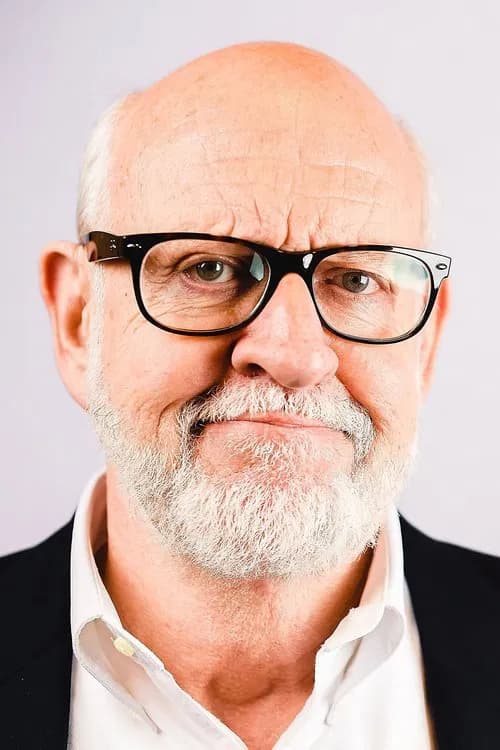
Frank Oz has spent much of his career making the mechanics of performance disappear. Whether operating a puppet, supplying a voice, stepping briefly in front of the camera or directing an ensemble, he has a sharp instinct for character—and for the timing that turns a gesture or pause into comedy. Born Frank Richard Oznowicz in Hereford on May 25, 1944, Oz came from a family of puppeteers. After early work with the Vagabond Puppets at Children’s Fairyland in Oakland, he joined Jim Henson in New York at 19. Their long collaboration helped shape the Muppets, with Oz performing characters including Miss Piggy, Fozzie Bear, Animal and Sam Eagle, as well as Sesame Street regulars Cookie Monster, Bert and Grover. His exchanges with Henson gave those characters much of their rhythm: affectionate, argumentative and precisely timed. That same combination of technique and personality defines Oz’s work as Yoda. He performed the puppet and supplied the voice in The Empire Strikes Back, Return of the Jedi and Please Rewind movie Star Wars: Episode I – The Phantom Menace. He later voiced the computer-generated Yoda in Attack of the Clones and Revenge of the Sith, then returned to puppet performance for The Last Jedi. Yoda may speak in unusual patterns, but Oz’s performance finds the character’s humor, patience and steel beneath the syntax. Oz also built a substantial career behind the camera. After co-directing The Dark Crystal with Henson, he directed The Muppets Take Manhattan and moved into live-action filmmaking with Little Shop of Horrors. His later films include Dirty Rotten Scoundrels, What About Bob?, In & Out, Bowfinger, The Score and Death at a Funeral. The range is broader than his reputation for comedy might suggest, though his feel for clashing personalities runs through much of the work. His on-screen appearances are generally small but well placed, from roles in John Landis films such as The Blues Brothers and Trading Places to a lawyer in Knives Out. Across all these forms, Oz’s career is held together by a performer’s understanding of movement, voice and the value of getting the beat exactly right.
2 Films
New York City
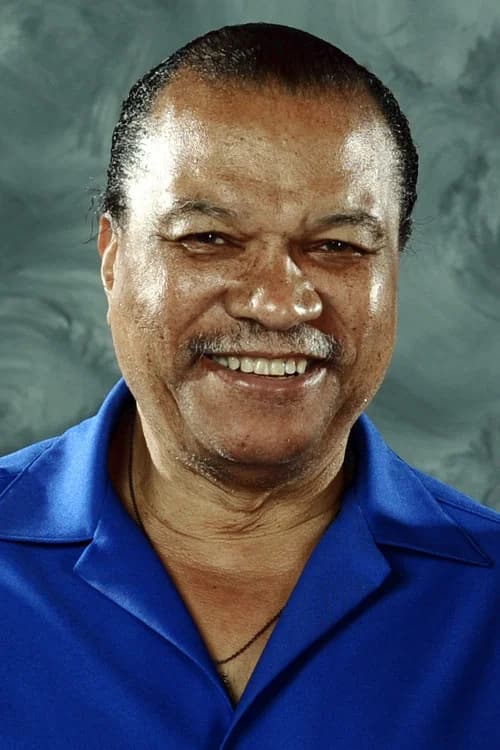
Billy Dee Williams has built a screen career around an unusual combination of ease, warmth and mystery. Born in New York City on April 6, 1937, he grew up in Harlem in a family that encouraged painting, music and theatre. He made his Broadway debut at seven in the operetta The Firebrand of Florence, although his first serious ambition was to become a painter. Williams studied visual arts at New York’s High School of Music & Art and received a scholarship to the National Academy of Design. Acting initially helped pay for paints and canvases before gradually becoming his primary pursuit. After years of theatre, television and smaller parts, Williams found a major breakthrough playing football star Gale Sayers opposite James Caan in the 1971 television film Brian’s Song. Both actors received Primetime Emmy nominations, and Williams later described the role as one of his proudest. He followed it with Lady Sings the Blues, playing Louis McKay opposite Diana Ross, and reunited with Ross for Mahogany. These films established the poised, romantic screen presence that became an important part of his appeal without defining the full range of his work. His best-known role arrived with Lando Calrissian in The Empire Strikes Back. Williams brought charm and contradiction to a character who could not be reduced to simple heroism or villainy, becoming the first African-American actor to play a role in the Star Wars series. He returned in Return of the Jedi and, decades later, The Rise of Skywalker, while also voicing Lando in animation, audio drama and video games. Williams’s career has continued across film, television, theatre and voice acting. He played a police officer alongside Sylvester Stallone in Nighthawks, Harvey Dent in Batman, and Troy Maxson in a Broadway production of August Wilson’s Fences. He eventually revisited Harvey Dent from a different angle by voicing Two-Face in The Lego Batman Movie. Alongside acting, Williams has remained a painter and has also worked as a writer, singer and recording artist—a range that reflects the creative life he imagined long before Hollywood knew his name.
2 Films
Darth Vader (voice)
Arkabutla, Mississippi, USA
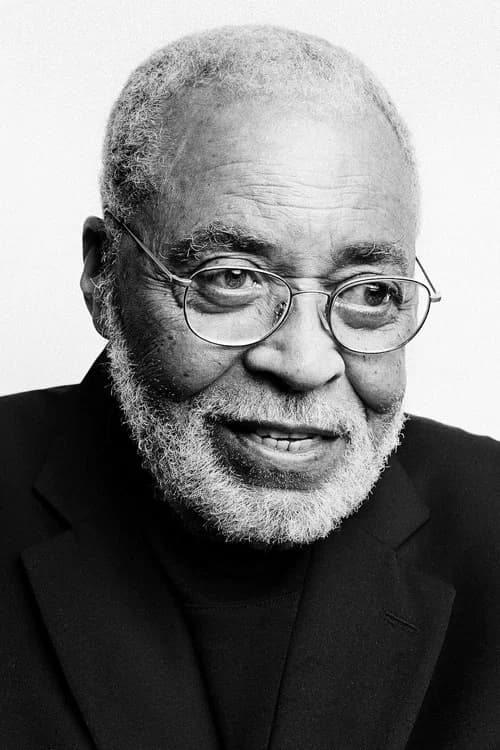
James Earl Jones (1931–2024) was an American actor whose commanding screen presence spanned stage, film, television, and voice work. Born in Arkabutla, Mississippi, on January 17, 1931, Jones was raised by his maternal grandparents on a farm in Michigan after moving there when he was five. The move was traumatic, and he developed a severe stutter that left him reluctant to speak. An English teacher, Donald Crouch, recognized his gift for poetry and encouraged him to read aloud—an important step toward reclaiming the voice that would later become central to his work. Jones studied drama at the University of Michigan, served in the military and then moved to New York, where he attended the American Theatre Wing. His early career was rooted firmly in theatre. He played Othello during his first acting season at the Ramsdell Theatre, made his Broadway debut in 1957 and became a noted Shakespearean performer through roles including Othello, King Lear, Oberon and Claudius. His feature-film debut came as Lt. Lothar Zogg in Stanley Kubrick’s Dr. Strangelove. Jones later brought his stage role as boxer Jack Jefferson to the film adaptation of The Great White Hope, earning an Academy Award nomination for Best Actor. He had already won a Tony Award for the Broadway production, and decades later earned a second Tony for his performance as Troy Maxson in Fences. For movie audiences, however, one role gave his voice a reach all its own. In Please Rewind movie Star Wars: A New Hope, Jones supplied the voice of Darth Vader, dubbing dialogue for the figure played in costume by David Prowse. Jones initially requested that his contribution go uncredited, but the performance became inseparable from the character, and he returned to voice Vader in later Star Wars productions. His range extended well beyond that galaxy: Claudine, Coming to America, Field of Dreams and The Hunt for Red October sat alongside television, Broadway and his voice performance as Mufasa in The Lion King. Across those very different roles, Jones could make authority feel imposing, humane or quietly playful—sometimes within the space of a single line.

3 Films
Darth Vader
Bristol, England, UK
David Prowse understood how much a performer could communicate through silhouette, movement and sheer physical presence. Born David Charles Prowse in Bristol on 1 July 1935 and raised on the Southmead housing estate, he first made his name as a competitive weightlifter. He became British heavyweight champion in the early 1960s and represented England at the 1962 British Empire and Commonwealth Games in Perth. Standing around 6 feet 6 inches tall, Prowse brought a scale to the screen that was difficult to ignore. Early parts often drew on that imposing build, including appearances as Frankenstein’s creature in Hammer’s The Horror of Frankenstein and Frankenstein and the Monster from Hell. He also played Julian, a manservant, in Stanley Kubrick’s A Clockwork Orange, alongside other work in genre film and television. His knowledge of physical training extended behind the scenes too: he assisted Christopher Reeve while the actor prepared for Superman. Prowse’s defining screen role was Darth Vader. He physically portrayed the character throughout the original Star Wars trilogy, beginning with Star Wars: A New Hope in 1977 and continuing through The Empire Strikes Back and Return of the Jedi. James Earl Jones supplied Vader’s voice in post-production, while Sebastian Shaw played the unmasked Vader in Return of the Jedi, but it was Prowse inside the costume, establishing the controlled stride, posture and imposing movement that made the character so commanding on screen. For British audiences, Prowse had another widely recognised identity: the Green Cross Code Man, the on-screen figurehead of a long-running road-safety campaign. His work for road safety and charity led to his appointment as an MBE in the 2000 New Year Honours. Prowse’s relationship with Lucasfilm was publicly difficult at times, yet his physical contribution to Vader remained central to the character’s screen presence. His later life and connection to the role were explored in the 2015 documentaries The Force’s Mouth and I Am Your Father. He died in London on 28 November 2020.
1 Film
Belgravia
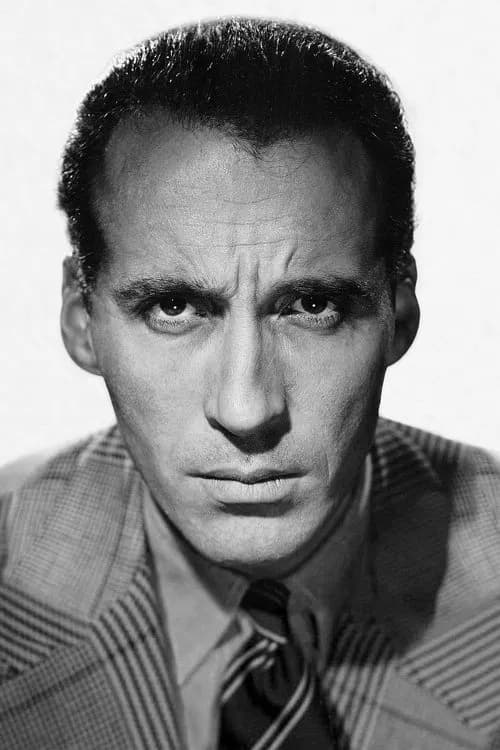
Christopher Lee had the kind of screen presence that could make stillness feel threatening. Tall, imposing and equipped with a resonant bass voice, the English actor became closely associated with horror, yet his career reached far beyond any single genre or character. Born Christopher Frank Carandini Lee in Belgravia, London, on 27 May 1922, he made his film debut in Corridor of Mirrors in 1948. His defining early partnership came through Hammer Film Productions, beginning with The Curse of Frankenstein in 1957. As Frankenstein’s monster opposite Peter Cushing, Lee brought physical force to a role with little dialogue. The following year, Dracula gave him the part that would shape his public image. He ultimately played the Count ten times, including seven Hammer films, while appearing with Cushing in more than 20 productions. Lee kept testing the boundaries of that image. He played Lord Summerisle in The Wicker Man, which he considered his best film, and brought polished menace to the Bond villain Francisco Scaramanga in The Man with the Golden Gun. His work also included Sherlock Holmes, Mycroft Holmes, Rasputin and the Comte de Rochefort, revealing a dependable gift for authority figures, antagonists and men whose composure concealed something dangerous. Later generations knew him as Saruman in The Lord of the Rings and The Hobbit films, and as Count Dooku in two Star Wars episodes. Collaborations with Tim Burton included Charlie and the Chocolate Factory, Corpse Bride, Alice in Wonderland and Dark Shadows. Lee also worked extensively as a voice actor, lending that unmistakable voice to animation, audiobooks and video games. His parallel career as a singer was equally distinctive. He performed on The Wicker Man soundtrack, collaborated with metal musicians and released his own symphonic heavy metal recordings well into his nineties. Lee died in 2015, leaving behind a body of work whose range is easy to underestimate: horror star, character actor, franchise villain, voice performer and singer, all held together by precision, gravity and a willingness to keep trying something new.
1 Film
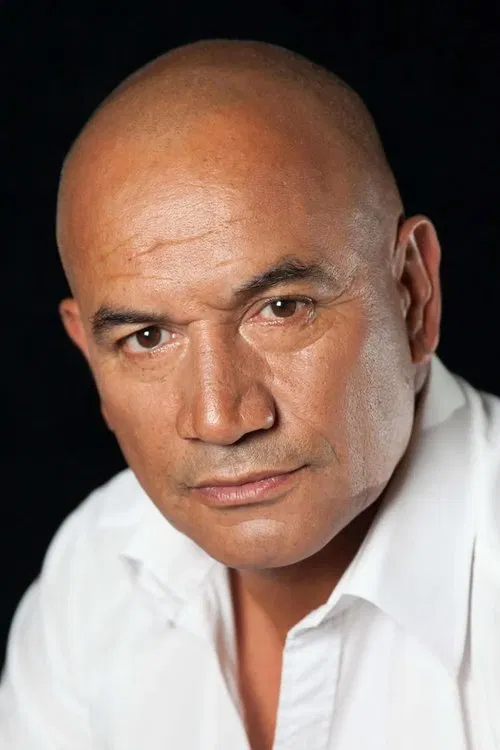
Explore the movies and roles of Temuera Morrison.
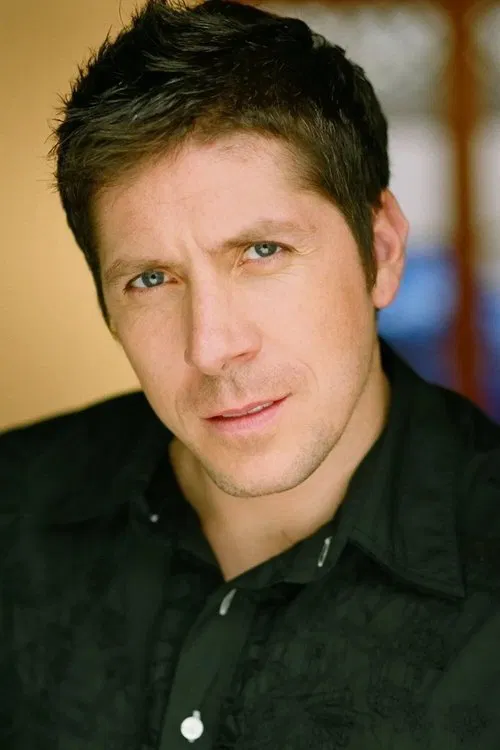
1 Film
Darth Maul
Explore the movies and roles of Ray Park.
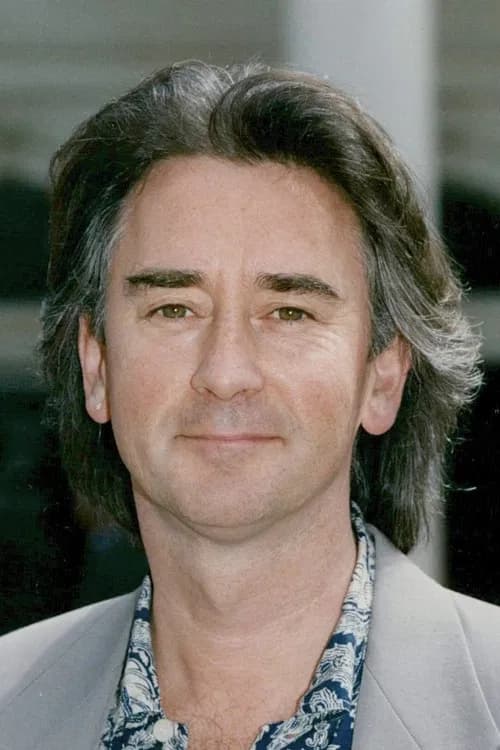
2 Films
Crieff
Denis Lawson is a Scottish actor whose career moves comfortably between large-scale cinema, television drama, comedy and the West End. Born in 1947 and raised in Crieff, Perthshire, he attended Morrison’s Academy before training at the Royal Scottish Academy of Music and Drama. His route into the profession was not immediate: after an unsuccessful audition for RADA, he spent a year selling carpets and working in amateur theatre before successfully auditioning for the Glasgow school. Lawson began his professional acting career with a small part in a 1969 West End production of The Metamorphosis. Television roles followed in The Merchant of Venice, Rock Follies and Dead Head, but his most widely recognised film part came as X-Wing pilot Wedge Antilles in all three films of the original Star Wars trilogy. He later returned as Wedge in Star Wars: The Rise of Skywalker and also reprised the character in voice work. Away from that galaxy, Lawson played Gordon Urquhart in Local Hero, a film that gave him a substantial place in Scottish cinema. His television work has included John Jarndyce in the BBC adaptation of Bleak House, for which he received an Emmy nomination, as well as roles in Jekyll, Marchlands and New Tricks. He has also portrayed figures including Kenneth Darrell Waters in a drama about Enid Blyton and Alexander Fleming in Breaking the Mould: The Story of Penicillin. Theatre has remained a consistent part of Lawson’s career. His West End credits include Mr. Cinders, Pal Joey and La Cage Aux Folles, while his stage work has also taken him to the Royal Court Theatre. He has worked behind the camera too, directing a West End production of Little Malcolm & His Struggle Against the Eunuchs, and is additionally associated with screenwriting. It is a career defined less by one lane than by a steady ability to shift between ensemble films, substantial television parts, musicals and stage drama.
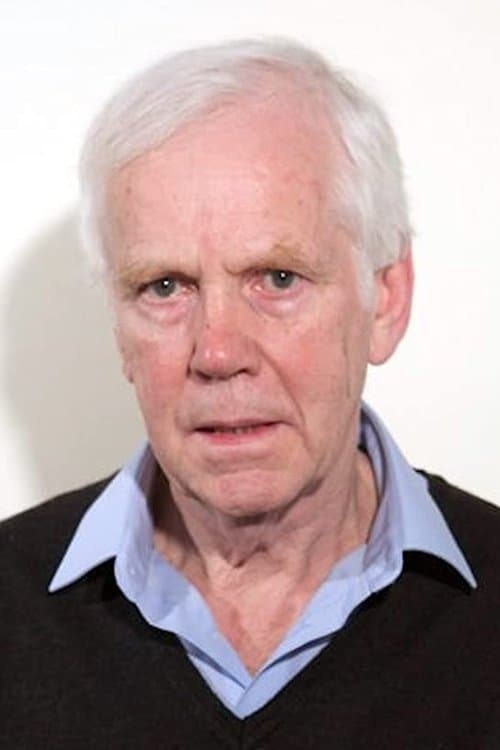
2 Films
Explore the movies and roles of Jeremy Bulloch.
1 Film
Anakin Skywalker
Explore the movies and roles of Jake Lloyd.
1 Film
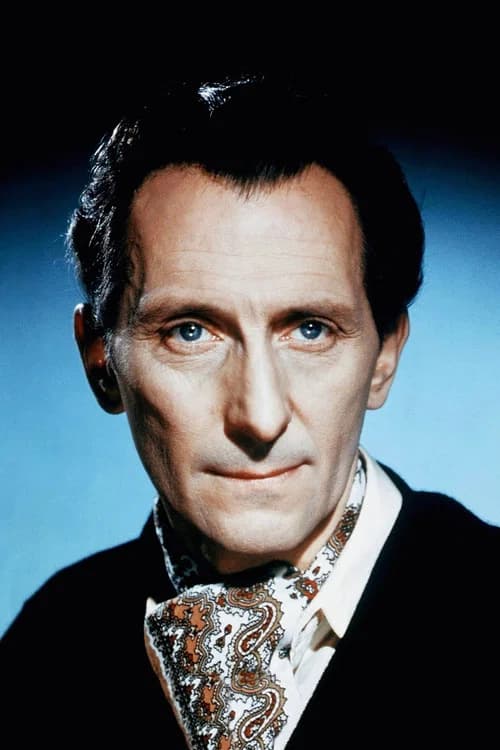
Grand Moff Tarkin
Explore the movies and roles of Peter Cushing.
The collection
Rewind the movies that built the Star Wars franchise.
1977 // VHS
"Strike Me Down And I Will Become More Powerful Than You Will Ever Know"
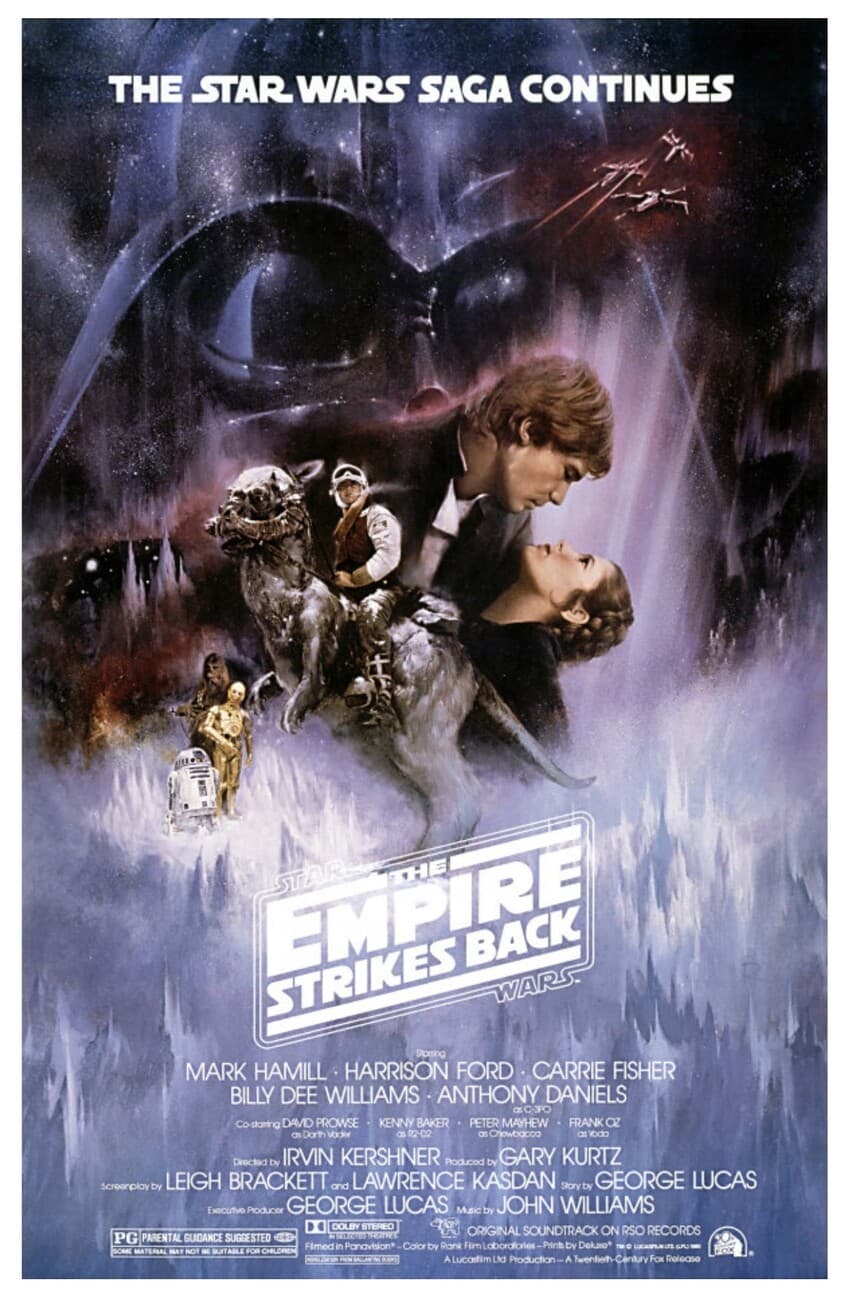
1980 // VHS
Rewind Star Wars: Episode V – The Empire Strikes Back on Please Rewind.
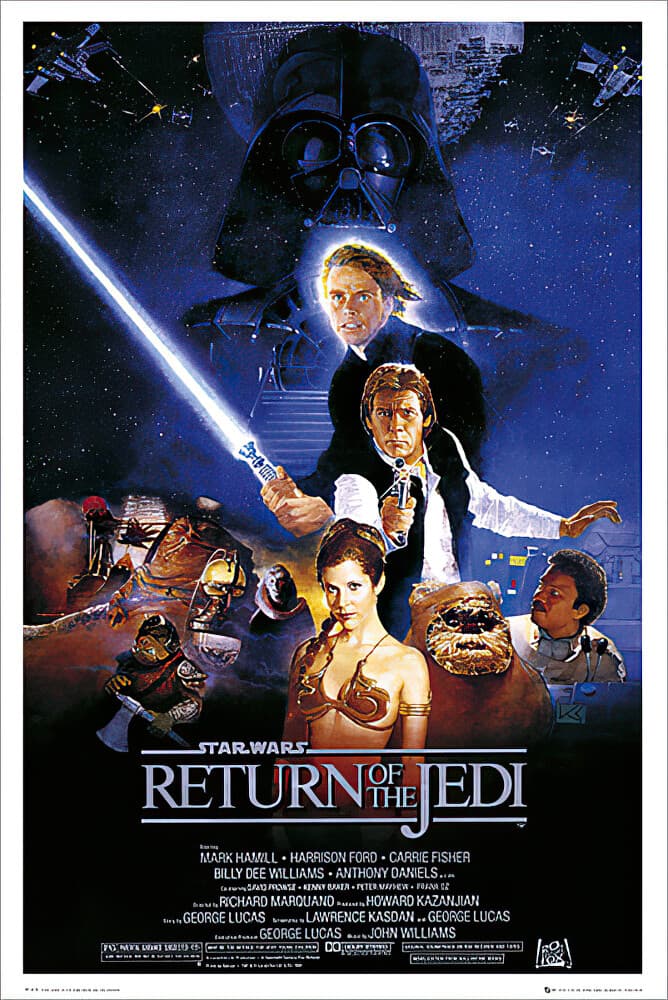
1983 // VHS
Rewind Star Wars: Episode VI – Return of the Jedi on Please Rewind.

1999 // VHS
Every generation has a legend. Every journey has a first step. Every saga has a beginning.
2002 // VHS
Rewind Star Wars: Episode II – Attack of the Clones on Please Rewind.
2005 // VHS
Rewind Star Wars: Episode III – Revenge of the Sith on Please Rewind.