Rental copy● Available

Staff pick
Drama / Sports / Boxing
1976 // VHS
Rocky
SPStereoTracking: Auto
His whole life was a million-to-one shot.
Rewind this one →Be kind
Please Rewind // Franchise Archive
From the streets of Philadelphia to the biggest fights of his life, explore the Rocky movies, cast, characters and stories behind one of cinema's greatest underdog sagas.
Cast Directory
The actors behind the Rocky movies — from the faces that defined the series to the supporting players who helped bring the world to life.
4 Films
Queens
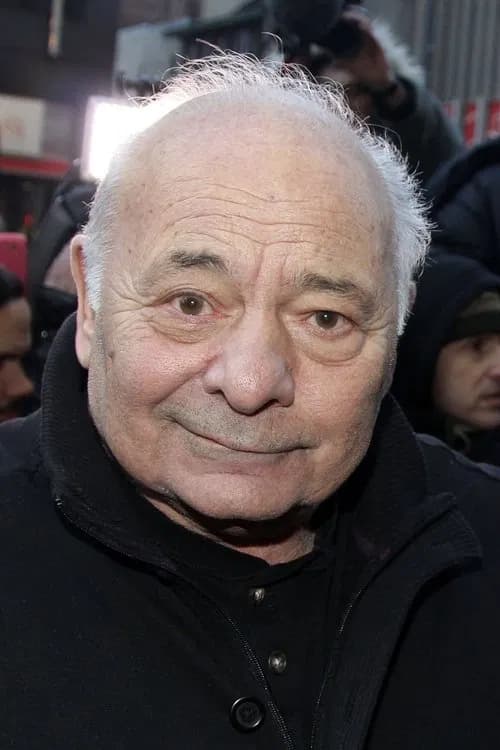
Burt Young built a career around characters who seemed to carry the weight of the neighborhood on their shoulders. Born in Queens on April 30, 1940, and raised in Corona, he became known for playing rough-edged, working-class Italian-American men, bringing them a mix of volatility, humor and bruised humanity. Before acting, Young served in the United States Marine Corps from 1957 to 1959. He boxed regularly during his service, winning 32 of 34 bouts, and later trained with Lee Strasberg at the Actors Studio. That background suited his physical, plainspoken screen presence, but Young’s performances were rarely about toughness alone. His characters could be difficult, wounded and unexpectedly vulnerable, sometimes within the same scene. His defining role was Paulie, Rocky Balboa’s friend and eventual brother-in-law in Rocky. Young received an Oscar nomination for Best Supporting Actor for the 1976 film and appeared in each of the first six Rocky movies. Paulie could be abrasive and self-defeating, yet Young kept him recognizably human across the series rather than sanding down his roughest qualities. Young’s film work also included Chinatown, Convoy, Back to School, The Pope of Greenwich Village, Once Upon a Time in America, Last Exit to Brooklyn and Amityville II: The Possession. On television, he appeared in series including The Rockford Files, Baretta, M*A*S*H, Miami Vice, Law & Order and The Sopranos. His Sopranos role as Bobby Baccalieri’s ailing father made especially direct use of the danger and fatigue he could suggest on screen. Acting was only one part of Young’s creative life. He was also a painter, screenwriter and published author. His artwork was exhibited in galleries around the world, and some of his paintings appeared in Rocky Balboa. He wrote two stage plays and a 400-page historical novel, Endings. Young also worked on stage, appearing in Cuba and His Teddy Bear in 1986 and returning in 2017 for The Last Vig. He died in 2023, leaving behind a body of work shaped by grit, melancholy and an instinct for the complicated men behind familiar tough-guy surfaces.
4 Films
New York City, New York, USA
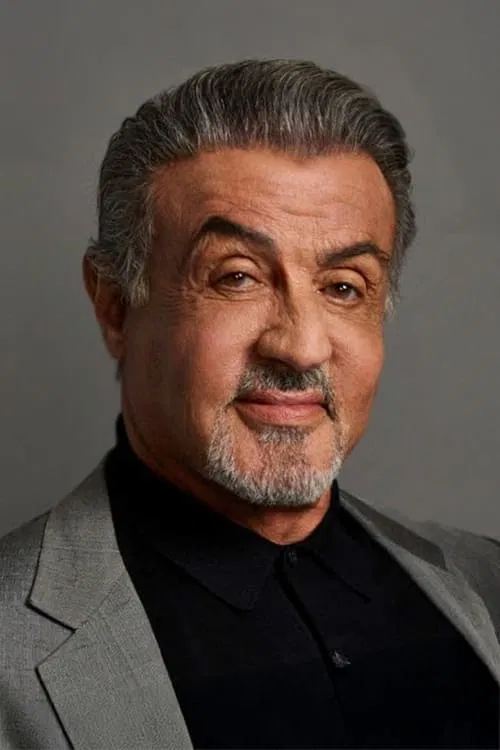
Sylvester Stallone is an American actor, writer, director, and producer who became one of the defining action stars of the 1980s and 1990s, creating two of cinema's most recognisable characters: Rocky Balboa and John Rambo. Born Sylvester Gardenzio Stallone on July 6, 1946, in New York City, Stallone struggled for years to establish himself as an actor before writing the screenplay that would completely change his life. That movie was Rocky. Released in 1976, Rocky starred Stallone as Rocky Balboa, a small-time Philadelphia boxer unexpectedly given the opportunity to fight heavyweight champion Apollo Creed. The film became a huge success and earned Stallone Academy Award nominations for both Best Actor and Best Original Screenplay. Rocky won the Academy Award for Best Picture and developed into one of Hollywood's most enduring film franchises, with Stallone returning as Balboa throughout numerous sequels and later in the Creed series. But Rocky was only the beginning. In 1982, Stallone introduced audiences to another character who would become synonymous with his career when he played troubled Vietnam veteran John Rambo in First Blood. Rambo returned in Rambo: First Blood Part II in 1985, helping transform Stallone into one of the biggest action stars of the decade. He continued playing the character across further sequels, eventually returning for Rambo: Last Blood in 2019. Throughout the 1980s and 1990s, Stallone became a fixture of blockbuster cinema. His films included Cobra, Over the Top, Tango & Cash, Cliffhanger, Demolition Man, The Specialist and Judge Dredd. Not every movie was about machine guns and exploding helicopters, however. Stallone also ventured into comedy with films including Oscar and Stop! Or My Mom Will Shoot, while 1997's Cop Land gave him the opportunity to deliver a quieter dramatic performance alongside an impressive ensemble cast. After a period away from the top of the box office, Stallone successfully revived both of his signature characters during the 2000s with Rocky Balboa and Rambo. He then created another action franchise with 2010's The Expendables, assembling a cast packed with action-movie veterans and eventually sharing the screen with stars including Arnold Schwarzenegger, Bruce Willis, Jason Statham, Dolph Lundgren, Jean-Claude Van Damme and Harrison Ford. Stallone returned to Rocky once again in Creed in 2015. His performance as an ageing Balboa mentoring Apollo Creed's son, Adonis, earned Stallone another Academy Award nomination for Best Supporting Actor, almost four decades after the original Rocky. Later roles have included appearances in the Marvel Cinematic Universe's Guardians of the Galaxy films and the television series Tulsa King. Few actors are more closely associated with the golden age of action cinema than Sylvester Stallone. From running up the steps of the Philadelphia Museum of Art as Rocky to disappearing into the jungle as Rambo, Stallone helped create some of the most enduring images of 1970s, 80s and 90s popular cinema. And for an actor who was once struggling to convince Hollywood to give him a chance, creating one iconic movie character would have been quite an achievement.
4 Films
Queens, USA
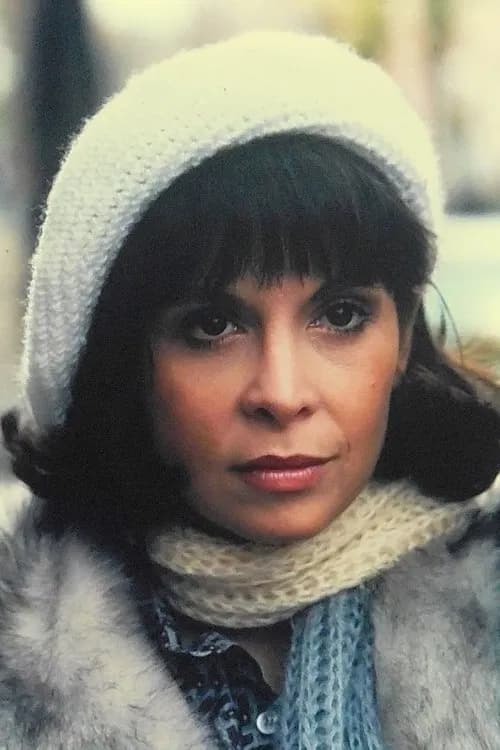
Talia Shire has a gift for finding the emotional pressure inside characters who might otherwise be pushed to the edge of the story. Born Talia Rose Coppola in Woodside, Queens, on April 25, 1946, she became closely associated with two of American cinema’s defining film series: The Godfather and Rocky. As Connie Corleone in The Godfather and its sequels, Shire played a woman caught within the loyalties, violence and expectations of the Corleone family. Her performance in The Godfather Part II earned her an Academy Award nomination for Best Supporting Actress. She brought a different kind of resolve to Adrianna Pennino, Rocky Balboa’s love interest in Rocky. The role relies on restraint rather than spectacle, and Shire gives the character a quiet, credible strength that helps ground the film’s larger emotions. Her work in Rocky won supporting actress honors from the New York Film Critics Circle and the National Board of Review, as well as Golden Globe and Academy Award nominations for Best Actress. She returned as Adrianna in four Rocky sequels. Shire’s wider film work includes Kiss the Bride, I Heart Huckabees and Homo Erectus. Her career has also extended beyond acting to work associated with film production and directing, while her screen credits span both film and television. She comes from a family with deep ties to movies and music. Her parents were Italia Pennino and arranger-composer Carmine Coppola; her brothers were director-producer Francis Ford Coppola and academic August Coppola. Yet Shire’s own screen identity is distinct. Whether playing Connie’s anguish or Adrianna’s reserve, she makes feeling register without forcing it, bringing an essential human scale to stories built around crime families, prizefighters and outsized ambitions.
3 Films
Cleveland
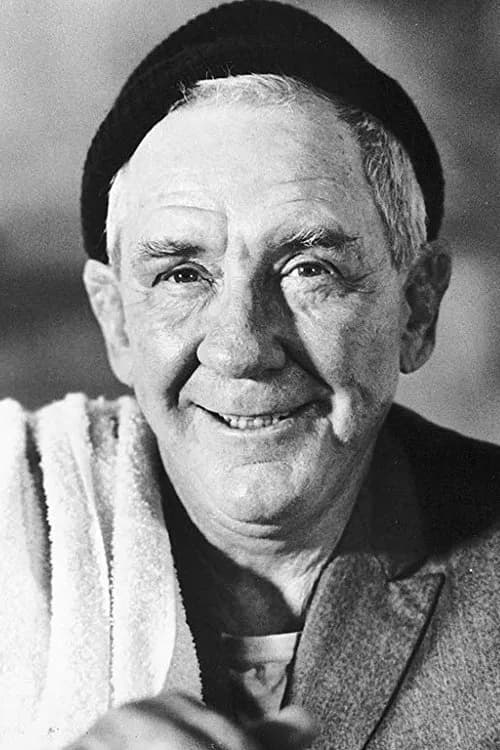
Burgess Meredith could shift from vulnerability to menace, comedy to melancholy, without losing the human scale of a character. Born in Cleveland in 1907, he began as a reporter before joining Eva Le Gallienne’s Civic Repertory Theatre company in New York. His stage work led to Broadway and then to film, where he deliberately avoided a long-term studio contract in favor of individual projects. That independence suited an actor whose range resisted easy packaging. Meredith brought controlled, intimate performances to Winterset, Of Mice and Men and The Story of G.I. Joe, adjusting his theatrical instincts for the camera rather than simply shrinking them. His film career was interrupted after he was named in Red Channels and placed on the Hollywood blacklist, leaving him largely absent from movies for much of the 1950s while he continued working in theatre and radio. When he returned to film more regularly, Meredith became the kind of character actor who could give a movie texture in only a few scenes. Otto Preminger cast him repeatedly, including in Advise and Consent, The Cardinal and In Harm’s Way. His performance in The Day of the Locust earned BAFTA, Golden Globe and Academy Award nominations, followed by another Oscar nomination for playing Mickey Goldmill, Rocky Balboa’s trainer, in Rocky. He continued as Mickey through the next two films and briefly returned in Rocky V. Television gave Meredith some of his most enduring parts. He starred in four episodes of The Twilight Zone, playing figures as varied as a bookish apocalypse survivor, a condemned librarian and the Devil. He also made 21 appearances as the Penguin in Batman and won an Emmy for portraying lawyer Joseph Welch in Tail Gunner Joe. Meredith worked beyond acting as a director, screenwriter and producer, while remaining deeply connected to the stage. Across theatre, film and television, his career was defined less by a single type than by his ability to make eccentric, battered or difficult men feel sharply observed.
2 Films
New Orleans
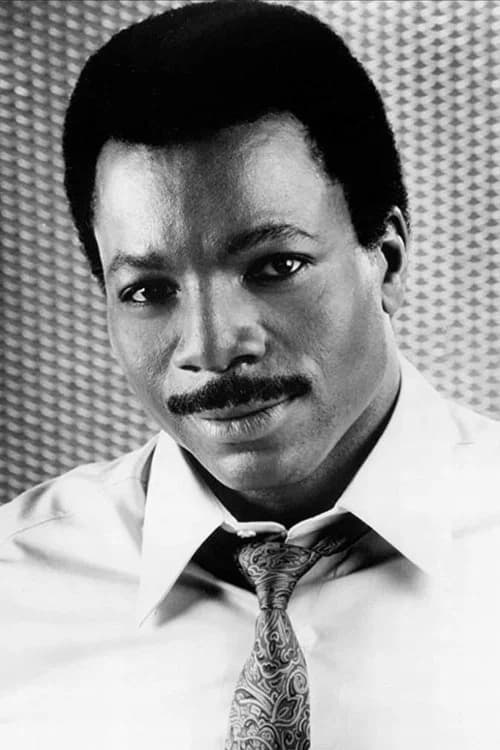
Carl Weathers brought an athlete’s physical command to the screen, but his appeal was never limited to muscle. Across action films, comedy and television, he could project confidence, rivalry, warmth or self-aware humor without losing the force of his presence. Born in New Orleans on January 14, 1948, Weathers was an all-around athlete before playing college football as a defensive end. He later signed with the Oakland Raiders as an undrafted free agent in 1970 and also played for the BC Lions in the Canadian Football League. Acting, however, had been a long-standing interest: he performed in plays as far back as grade school, studied drama and began working as an extra while still playing football. After retiring from the sport in 1974, he pursued acting full time. Early significant roles came in Arthur Marks’s Bucktown and Friday Foster, both released in 1975. His career changed with Apollo Creed in Rocky. During his audition opposite Sylvester Stallone, Weathers criticized Stallone’s acting—a bold choice that helped him win the part. He returned as Apollo in Rocky II, Rocky III and Rocky IV, giving the series a champion whose charisma and competitive pride made him far more than an obstacle for its hero. Weathers remained a natural fit for action, appearing in Force 10 from Navarone, Predator, Action Jackson and Hurricane Smith. Yet comedy revealed another side of his screen persona. As Chubbs in Happy Gilmore, he played the golf mentor guiding Adam Sandler’s unruly title character, then later reprised the role in Little Nicky. In Arrested Development, he pushed the joke further by appearing as a comically stingy version of himself and acting coach to Tobias Fünke. His later television work included Greef Karga in The Mandalorian. Weathers also directed two episodes of the series, one in its second season and another in its third. His performance earned an Emmy nomination for Outstanding Guest Actor. Weathers died in 2024, leaving a career that moved comfortably between sports, action, comedy, voice work and directing.
2 Films
Chicago, USA
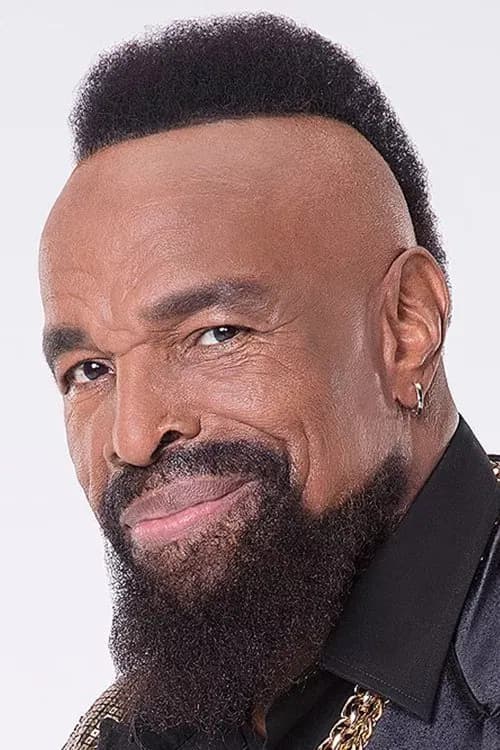
Mr T brought a fully formed persona to acting: physically imposing, direct and grounded in experiences far removed from a conventional path into show business. Born in Chicago on May 21, 1952, he was the youngest of twelve children and grew up in a three-room apartment in the Robert Taylor Homes. At Dunbar Vocational High School, he played football, wrestled and studied martial arts, becoming citywide wrestling champion two years in a row. A football scholarship took him to Prairie View A&M University, where he majored in mathematics before leaving. He later worked as a gym instructor in Chicago, served in the United States Army’s Military Police Corps and tried out for the Green Bay Packers, missing the team because of a knee injury. The identity audiences came to know as Mr T took shape while he was working as a nightclub bouncer. His conspicuous gold chains began as jewellery customers lost or left behind, while the name itself reflected his determination to command respect. He moved from nightclub security into nearly a decade of bodyguard work, with clients including Steve McQueen, Michael Jackson, Diana Ross, Muhammad Ali and Joe Frazier. Televised tough-man competitions helped place that presence in front of a wider audience. Mr T won two consecutive contests, combining genuine wrestling and security experience with a blunt, memorable way of speaking. Before one final bout, he told Bryant Gumbel that he felt sorry for his opponent; the interview is reputed to have inspired Sylvester Stallone’s “I pity the fool” line in Rocky III. That unusual route explains much of Mr T’s screen appeal. He did not have to manufacture toughness for the camera; he had already built a public identity around it. Across film, television and voice acting, alongside professional wrestling and activism, his work has remained tied to that unmistakable mix of force, showmanship and self-possession.
1 Film
Orlando
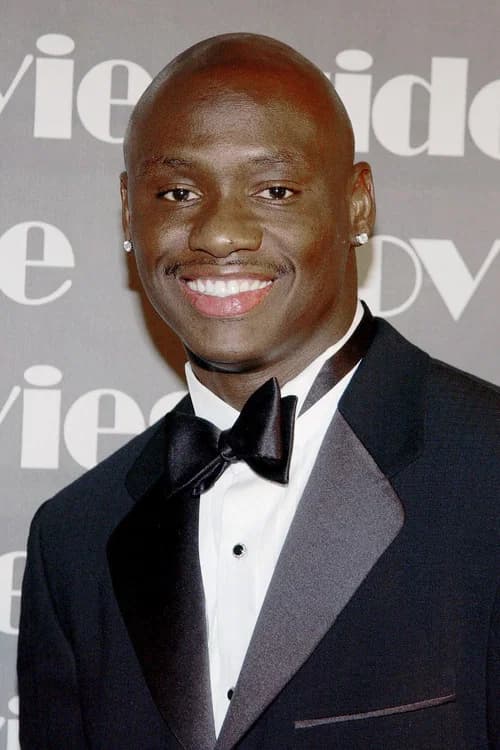
Antonio Tarver comes to acting with a public identity shaped first in the boxing ring. Born in Orlando on November 21, 1968, Tarver built an amateur career that included United States light-heavyweight championships in 1993 and 1995, a National Golden Gloves title in 1994 and an Olympic bronze medal at the 1996 Atlanta Games. He turned professional at 28, stopping Joaquin Garcia in the second round of his 1997 debut. Tarver won his first 16 professional fights, 14 by knockout, before moving into tougher competition. His career was defined not simply by victories, but by his ability to return from defeats and settle unfinished business. He avenged an early loss to Eric Harding, defeated Montell Griffin to claim the WBC and IBF light-heavyweight titles, and became far more widely known through his rivalry with Roy Jones Jr. After losing their first meeting by majority decision, Tarver knocked out Jones in the second round of their 2004 rematch, regaining the WBC title and winning the WBA Super title. He later completed the trilogy with a unanimous-decision victory in 2005. Tarver also reversed a loss to Glen Johnson, regained the IBF title against Clinton Woods and moved through the heavyweight and cruiserweight divisions, defeating Danny Green for the IBO cruiserweight championship in 2011. That boxing career gave Tarver a natural familiarity with cameras long before acting became part of his professional life. Following the second Jones fight, he appeared on late-night television, featured on the covers of Ring and KO Magazine, and co-hosted an ESPN Friday Night Fights telecast. His screen presence therefore carries the directness of someone accustomed to performing under pressure, with no separation between personality and competition. Tarver is associated with both boxing and acting, although his film career is not yet represented among Please Rewind’s covered movies. For now, his profile remains anchored by a remarkable ring career: Olympic medalist, multi-time light-heavyweight champion and a fighter whose most important chapters often came in rematches.
1 Film
Little Rock
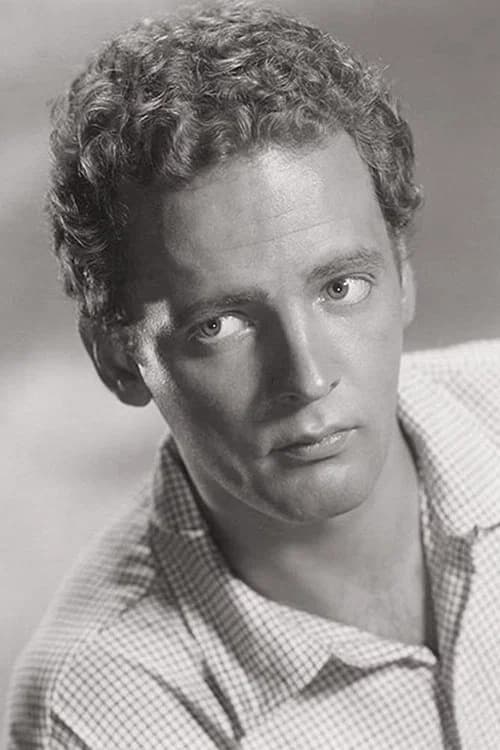
Ben Piazza was the kind of character actor who could sharpen a scene without asking it to stop and admire him. Born in Little Rock on July 30, 1933, he worked across film, television and the stage, building a career filled with troubled men, authority figures and memorable supporting players. Piazza made his film debut in Sidney J. Furie’s Canadian drama A Dangerous Age in 1959, followed that same year by his Hollywood debut in The Hanging Tree. Although he signed five-year contracts with Warner Bros. and Gary Cooper’s production company, he did not appear in another film until No Exit in 1962. The uneven start eventually gave way to steady character work. In Tell Me That You Love Me, Junie Moon, Piazza played the violent boyfriend who scars Liza Minnelli’s character. He later appeared in The Candy Snatchers, The Bad News Bears, I Never Promised You a Rose Garden and Nightwing. His best-known comic appearance came in John Landis’s The Blues Brothers, playing the wealthy restaurant patron confronted by Jake Blues, who offers to purchase the man’s wife and daughter. Piazza continued working through the 1980s in films including Peter Bogdanovich’s Mask, Clean and Sober and Guilty by Suspicion, released in 1991. Television gave him further room to operate. He appeared in a dramatic 1975 episode of Barnaby Jones, played Walt Driscoll during the sixth season of Dallas and had a three-month stint on the daytime soap Santa Barbara in 1986. Piazza also wrote plays and published the novel The Exact and Very Strange Truth in 1964. Set around an Italian-American boy coming of age in Little Rock, the book carried clear parallels to Piazza’s hometown, though he resisted treating it as a straightforward account of real people. He dedicated it to his close friend, playwright Edward Albee. Piazza died in 1991, leaving behind a body of screen work defined less by leading-man display than by the precise impact of a dependable character actor.
1 Film
Rødovre
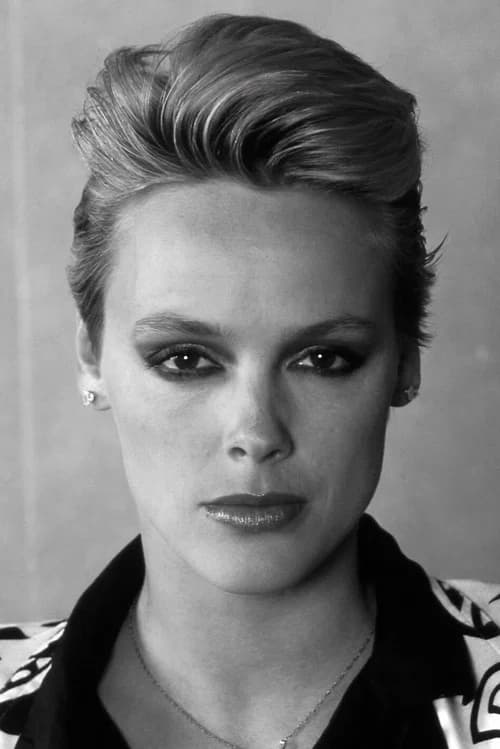
Brigitte Nielsen has always brought a striking physical presence to the screen. Born in Rødovre, Denmark, on 15 July 1963, she began the 1980s as a model, standing 1.83 metres tall and working with photographers including Greg Gorman and Helmut Newton. Her height helped earn her the press nickname “Amazon,” and that larger-than-life quality soon carried into her acting career. Nielsen made her film debut opposite Arnold Schwarzenegger in the 1985 fantasy adventure Red Sonja. The same year brought Rocky IV, in which she played Ludmilla Drago, followed by Cobra with Sylvester Stallone. In 1987, she joined Eddie Murphy in Beverly Hills Cop II as Karla Fry. These films established a screen persona particularly suited to action, fantasy and characters who could hold their ground in heightened worlds. That association with comic-book scale nearly led to another major role. Marvel approached Nielsen to pose as She-Hulk, and she was later cast as Jennifer Walters and her alter ego in a planned film. Photographs were produced, but the movie itself was cancelled. Nielsen continued working across genre cinema in films including 976-Evil II, Chained Heat II, Galaxis and Snowboard Academy. On Italian television, she played the villainess in Fantaghirò 2 and its sequels, returning after the character proved popular. Decades after Rocky IV, she reprised Ludmilla Drago in Creed II in 2018. Her career has never stayed within one lane. Nielsen began recording music in 1987 with the album Every Body Tells a Story and later released songs under the name Gitta. She has also worked extensively in European and international television as a host, guest and reality-show contestant, while taking later acting roles in Ronal the Barbarian, Raising Hope, Mercenaries and The Guardians of Justice. Across film, music, modelling and television, Nielsen’s career has remained as varied as her screen presence is distinctive.
1 Film
Los Angeles
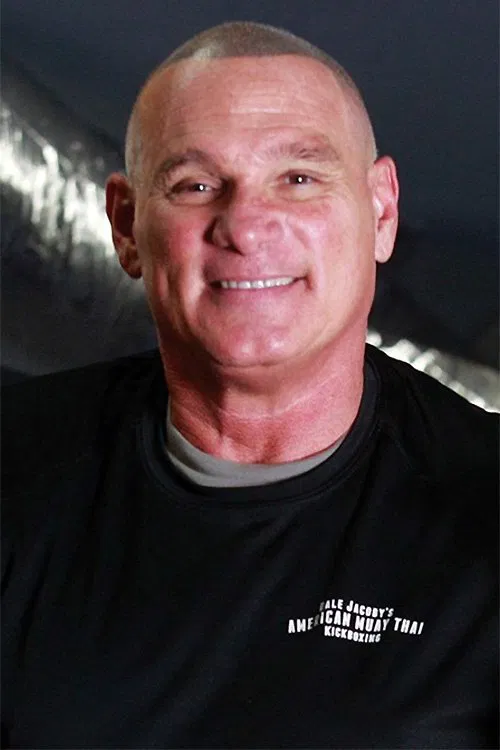
Dale Jacoby is an American actor, director, film producer, martial artist and kickboxer whose career brings the worlds of filmmaking and combat sports together. Born in Los Angeles on March 17, 1961, he has worked on both sides of the camera while also being identified with the physical disciplines of martial arts and kickboxing. That combination gives Jacoby a distinctive place among screen performers. Acting, directing and producing each demand a different relationship with a movie: the actor works within the frame, the director shapes what the audience sees, and the producer helps bring the project into being. Jacoby’s range of occupations covers all three, suggesting a career not confined to a single corner of filmmaking. His background as a martial artist and kickboxer adds another dimension, connecting screen work with disciplines built around training, timing and controlled movement. Los Angeles is both Jacoby’s birthplace and a fitting point of origin for someone associated with several areas of film production. Rather than being defined solely as a performer, his profile reflects the broader work that goes into making movies, from appearing before the camera to taking on creative and production responsibilities behind it. There are no Dale Jacoby films currently connected to the Please Rewind movie collection, but his mix of acting, directing, producing and martial arts makes him a natural subject for the Talent Wall. His career is best understood through that combination: a film professional whose work spans performance and production, with kickboxing and martial arts forming an equally important part of his public identity.

1 Film
Copenhagen
Delia Sheppard’s screen presence grew out of a career built on movement, performance and an ability to shift between very different stages. Born in Copenhagen on July 29, 1960, she began studying ballet at nine and later performed in Denmark, France and South Africa. Her dance work included engagements with the Royal Danish Ballet, the Paris Opera and the Lido de Paris. France also gave Sheppard room to explore other sides of her career. She worked as a fashion model for Karl Lagerfeld, Christian Dior and Jean-Paul Gaultier, and in 1985 released a two-track single titled “Action.” That combination of ballet training, fashion work and live entertainment would shape the poised, physically assured quality she later brought to the screen. After a back injury, Sheppard moved to Hollywood to pursue acting. Her film appearances include the boxing sequel Rocky V, Oliver Stone’s football drama Any Given Sunday, and the erotic thrillers Mirror Images and Night Rhythms. She also made guest appearances on television series including Northern Exposure and Night Court. Her work in erotic thrillers placed her within a distinct direct-to-video corner of 1990s Hollywood; in the 2005 book The Erotic Thriller in Contemporary Cinema, Linda Ruth Williams discussed Sheppard and Kira Reed as actresses whose showgirl backgrounds led into that field. Sheppard was Penthouse magazine’s Pet of the Month in April 1988, another part of a career that has crossed modeling, dance and adult-oriented screen work. She later returned to live performance as a Las Vegas showgirl, appearing in productions including Splash and Showgirl Follies, Life in Feathers and Rhinestones. Across those varied settings, the consistent thread is performance itself: a career moving from classical ballet and Paris fashion to Hollywood films, television and the elaborate spectacle of the Las Vegas stage.
1 Film
Stockholm
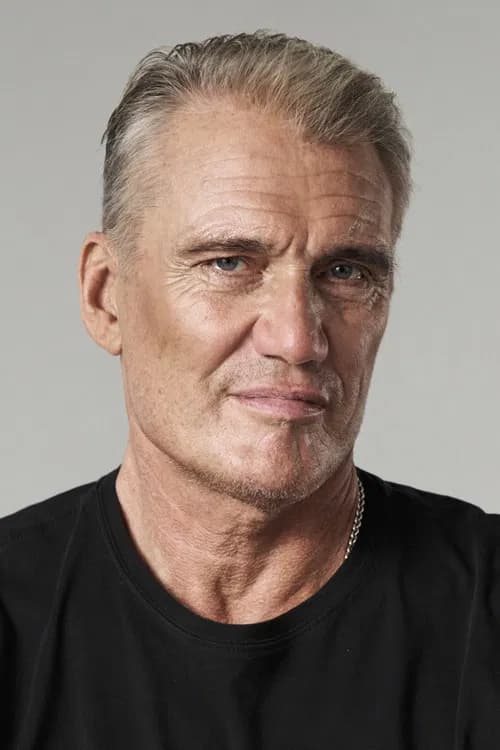
Dolph Lundgren has always brought more to the screen than the imposing frame that made him an action-movie natural. Born in Stockholm on November 3, 1957, the Swedish actor and martial artist followed an unusually academic path toward film, earning degrees in chemical engineering from the Royal Institute of Technology and the University of Sydney. He was awarded a Fulbright Scholarship to MIT, but left after two weeks to pursue acting. That change of direction did not mean leaving his earlier discipline behind. Lundgren trained extensively in Kyokushin karate, captained the Swedish team and won European championships in 1980 and 1981. His combination of physical control, height and cool reserve soon became central to his screen presence. After a minor role as Venz in the 1985 James Bond film A View to a Kill, Lundgren broke through opposite Sylvester Stallone as Ivan Drago in Rocky IV. The Soviet boxer’s economy of speech suited Lundgren’s contained performance, and the role established a screen persona filmmakers would repeatedly draw upon: formidable, disciplined and slightly removed from everyone around him. His early leading roles included He-Man in Masters of the Universe, Frank Castle in The Punisher and a Houston police officer in I Come in Peace. Universal Soldier gave him another major antagonist in Sergeant Andrew Scott, opposite Jean-Claude Van Damme. Lundgren also appeared in Showdown in Little Tokyo, Men of War and Johnny Mnemonic, moving comfortably between martial-arts action, science fiction and comic-book territory. He later expanded into writing, producing and directing. The Defender marked his feature directorial debut, followed by projects including The Mechanik, Missionary Man and Command Performance. His return to larger ensemble productions included The Expendables series, while Creed II allowed him to revisit Ivan Drago as an older, impoverished man rather than simply repeat the fighter from Rocky IV. Aquaman placed him in another large-scale franchise as King Nereus. Lundgren’s career has stretched from Cold War heavies to heroes, mercenaries, vigilantes and underwater royalty. Through it all, his best work uses the tension between physical force and a notably restrained presence.
1 Film
Pennsylvania
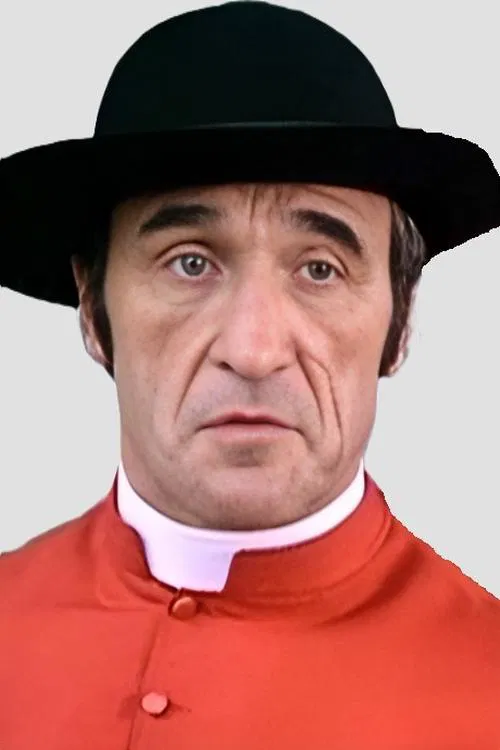
Dominic Barto was an American actor whose work included film. Born in Pennsylvania on December 20, 1930, he belonged to a generation of performers whose lives stretched across major changes in American moviemaking, from the studio-era years into the modern film landscape. Barto died in 2019. The known outline of his life is spare: Pennsylvania-born, American, and identified with acting for the screen. Without a connected Please Rewind movie at present, there is no single performance here to use as an easy introduction or defining role. That makes restraint important. Rather than attach an unsupported persona to Barto or reduce him to a presumed screen type, his Talent Wall profile begins with the essential facts of who he was and the profession he pursued. For movie fans, actor pages often become more meaningful when a particular film sends us back to a performer with fresh attention. Barto’s place on the Talent Wall leaves room for that kind of return. As more of his film work connects with the movies revisited by Please Rewind, individual roles can provide a clearer picture of his screen presence and career. For now, he is remembered here simply and accurately as an American film actor from Pennsylvania, born in 1930 and associated with the movies.
The collection
Rewind the movies that built the Rocky franchise.
1976 // VHS
His whole life was a million-to-one shot.

1979 // VHS
Rewind Rocky II on Please Rewind.

1982 // VHS
Rewind Rocky III on Please Rewind.

1985 // VHS
Rewind Rocky IV on Please Rewind.

1990 // VHS
Rewind Rocky V on Please Rewind.

2006 // VHS
Rewind Rocky Balboa on Please Rewind.