Rental copy● Available
Staff pick
Action / Treasure Hunt
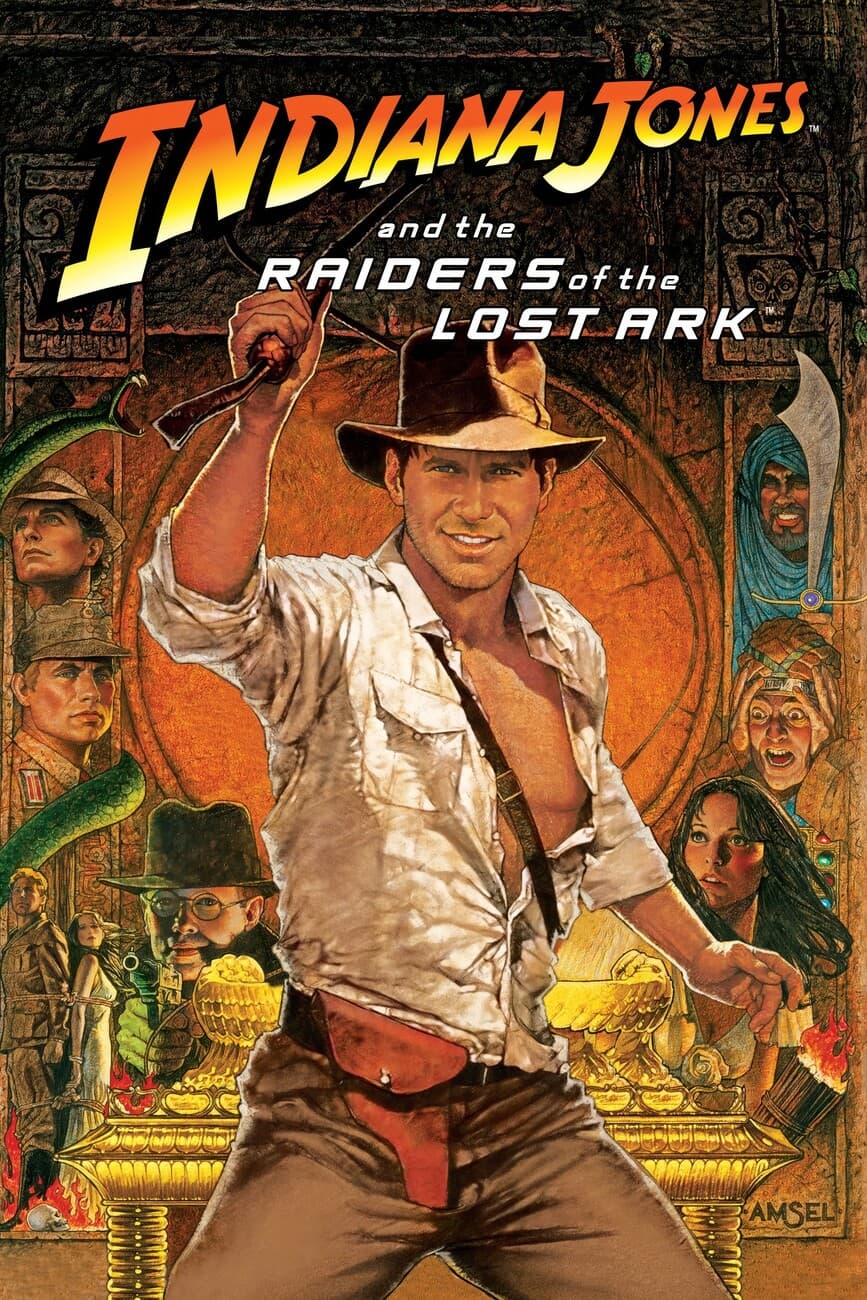
1981 // VHS
Raiders of the Lost Ark
SPStereoTracking: Auto
Rewind Raiders of the Lost Ark on Please Rewind.
Rewind this one →Be kind
Please Rewind // Franchise Archive
Adventure has a name. Explore the Indiana Jones movies, cast, characters and stories behind one of cinema's greatest adventure franchises, from lost arks and temples of doom to the search for the Holy Grail.
Cast Directory
The actors behind the Indiana Jones movies — from the faces that defined the series to the supporting players who helped bring the world to life.
3 Films
Chicago
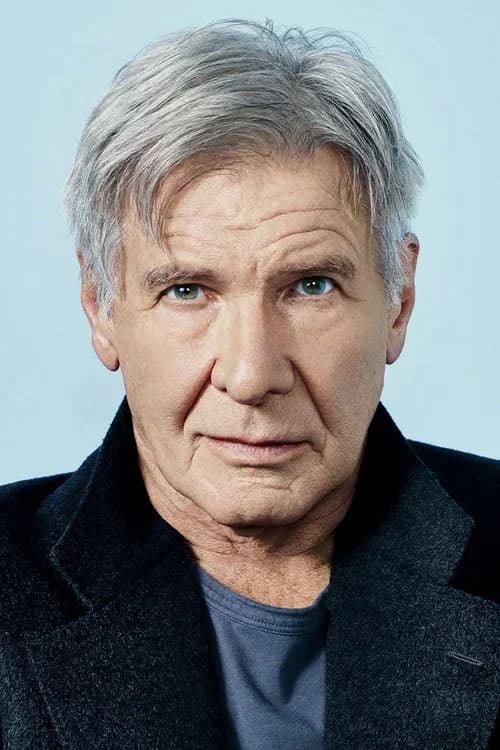
Harrison Ford has built a career on making movie-scale heroics feel grounded. Born in Chicago on July 13, 1942, he came to acting as a self-described late bloomer, taking a drama class at Ripon College to overcome his shyness. His early screen work was limited, and he supported his family as a self-taught professional carpenter before American Graffiti gave him a significant role as Bob Falfa. His casting as Han Solo in Star Wars changed the shape of his career. Ford brought the space opera a loose, skeptical energy, playing Solo as a capable rogue who would rather crack a remark than explain himself. Raiders of the Lost Ark then gave him a second defining role as Indiana Jones. The archaeologist’s appeal depended on Ford’s particular balance of confidence, irritation and physical vulnerability: Indy could take charge, but the movies never let him look invincible. Ford’s filmography extends well beyond those two franchises. As Rick Deckard in Blade Runner, he occupied a colder, more uncertain kind of science fiction. Witness and The Mosquito Coast allowed him to pursue more dramatic territory with director Peter Weir, while Working Girl showed his ease in comedy-drama. Presumed Innocent, Patriot Games, Clear and Present Danger, The Fugitive and Air Force One further established his restrained approach to thrillers. Even when the circumstances grew extreme, Ford often played the scene rather than the spectacle. Later work has allowed him to revisit familiar characters without simply repeating the original performances. He returned as Han Solo in Star Wars: The Force Awakens, as Deckard in Blade Runner 2049 and, for the final time, as Indiana Jones in Indiana Jones and the Dial of Destiny. He also moved into prominent television roles in 1923 and Shrinking, receiving praise and several award nominations for the latter. Across adventure, science fiction, drama, comedy and television, Ford’s screen presence has remained direct and economical. He rarely seems interested in advertising a character’s importance. He gets on with the job—and that has long been central to his appeal.
2 Films
Lexham Gardens
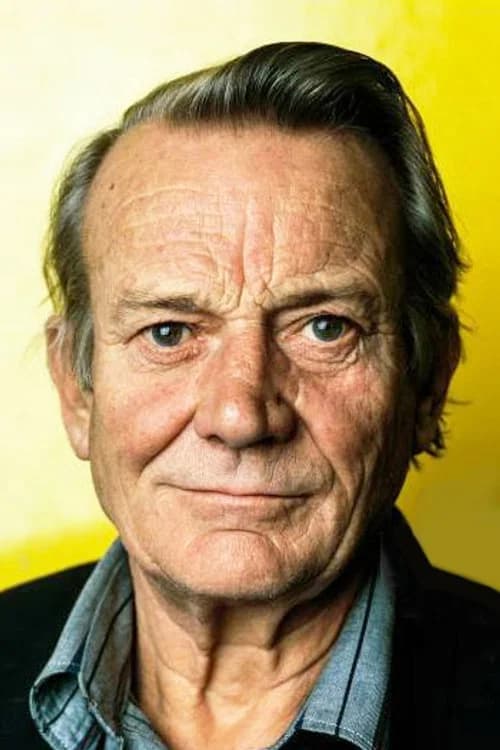
Denholm Elliott was the kind of character actor who could shift a film’s balance without demanding its centre. Equally at home playing authority, embarrassment, decency or disrepute, he built a career around people whose weaknesses were often more revealing than their strengths. Born on 31 May 1922 in Lexham Gardens, Kensington, London, Elliott attended Malvern College before joining RADA, which asked him to leave after one term. His route to acting took a more serious turn during the Second World War. Serving as a wireless operator and air gunner with the Royal Air Force, he survived when his bomber was hit and ditched in the North Sea in 1942. He spent the remainder of the war as a prisoner in Stalag Luft VIIIb, where he became involved in amateur dramatics and formed a theatre group that toured other POW camps with Twelfth Night. Elliott made his film debut in Dear Mr. Prohack in 1949. The decades that followed showed the breadth of his character work: an officer in The Cruel Sea, a criminal abortionist in Alfie and a washed-up director in The Apprenticeship of Duddy Kravitz. Television offered similarly rich territory, including Dennis Potter plays and the BBC adaptation of The Signalman. His 1980s work brought some of his best-known roles. He played Marcus Brody, the academic friend of Indiana Jones, in Raiders of the Lost Ark and Indiana Jones and the Last Crusade. He won three consecutive BAFTA Awards for Best Supporting Actor for Trading Places, A Private Function and Defence of the Realm, then received an Academy Award nomination for his performance as Mr. Emerson in A Room with a View. Alongside film and television, Elliott maintained a substantial stage career, including work with the Royal Shakespeare Company. Appointed CBE for services to acting in 1988, he remained a performer valued not for a fixed persona, but for the precision and human detail he brought to an unusually wide range of parts.
2 Films
John Rhys-Davies has the kind of screen presence that can make exposition sound like prophecy and supporting roles feel central to the adventure. A Welsh actor with experience across stage, film, television, animation and games, he is especially suited to characters who carry authority, hard-won knowledge or a touch of theatrical grandeur. Born on 5 May 1944, Rhys-Davies spent part of his childhood in Tanganyika before his family moved to Ammanford in Wales. He studied at the University of East Anglia, where he co-founded the drama club, and later trained at the Royal Academy of Dramatic Art after a period teaching in Norfolk. His early television work included Budgie and the role of Praetorian officer Naevius Sutorius Macro in I, Claudius. Greater international visibility followed with his performance as Portuguese navigator Rodrigues in the 1980 miniseries Shōgun. He later played Quillan Gornt in another James Clavell adaptation, Noble House, and brought warmth, intellect and impatience to Professor Maximillian Arturo in Sliders from 1995 to 1997. For movie audiences, two roles define much of his appeal. As Sallah in Raiders of the Lost Ark and two later Indiana Jones films, Rhys-Davies supplies loyalty, humour and a welcome sense of fellowship. As Gimli in The Lord of the Rings trilogy, he balances battle-ready force with comic timing and deep feeling. He also voiced the Ent Treebeard, allowing his distinctive voice to occupy an entirely different corner of Middle-earth. That voice has carried through a substantial parallel career. Rhys-Davies has played Macbeth in Gargoyles, Hades in Justice League and characters in numerous video games, while also working extensively as a narrator. In 2023, he returned as Gimli for The Lord of the Rings: Return to Moria. Whether appearing in person or heard from somewhere beyond the frame, he brings weight to fantasy, history and adventure without losing the human spark beneath the authority.
2 Films
Harrow, London, England, UK
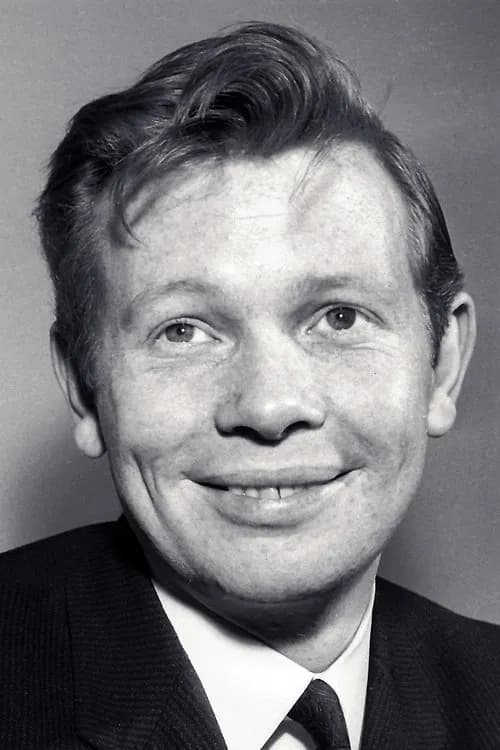
Ronald Lacey built a career around the sort of face and voice filmmakers knew how to put to mischievous, sinister use. Born in Harrow on 28 September 1935, he attended Harrow Weald Grammar School, completed a brief period of national service and trained at the London Academy of Music and Dramatic Art. His acting career began with the 1959 television play The Secret Agent, followed by a significant stage role in Chips with Everything at the Royal Court Theatre in 1962. Across the 1960s and 1970s, Lacey moved between theatre and British television, appearing in programmes including The Avengers, Department S and Porridge. He also took part in Kenneth Clark’s Civilisation, playing the gravedigger in a recreation of the graveyard scene from Hamlet alongside Ian Richardson and Patrick Stewart. Lacey’s distinctive features, highly recognizable voice and ability to produce a piercing scream made him particularly well suited to characters who were cowardly, creepy, seedy or openly malicious. Yet his range was not confined to conventional villains. He played Dylan Thomas for BBC2 in a performance critic Clive James called “bravura,” and later performed comic monologues in The Green Tie on the Little Yellow Dog. By the late 1970s, disappointment with his career had led Lacey to consider opening a talent agency. Instead, Steven Spielberg cast him as Nazi agent Arnold Toht in Raiders of the Lost Ark, a role that put his gleaming, threatening smile to full effect. A run of further villains followed in Sahara, Flesh and Blood and Red Sonja. In Firefox, however, he played a Russian scientist secretly helping the West. Lacey could also turn his unusual screen presence toward more playful transformations. In Trenchcoat he appeared as Princess Aida, a mysterious drag queen in Malta, while Invitation to the Wedding gave him the dual role of a husband and wife. Whether comic, grotesque or menacing, his performances rarely felt anonymous.
1 Film
London
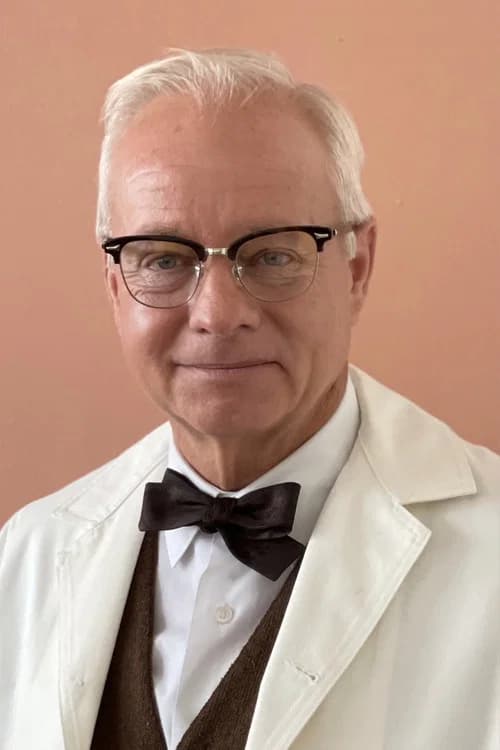
Born in London on 30 January 1959, Alex Hyde-White is an American-British actor whose career has moved between television, studio pictures, independent filmmaking and work behind the camera. He is the son of stage manager and actor Ethel Drew and actor Wilfrid Hyde-White, and grew up in Palm Springs, California. After attending Georgetown University for a year, he left to pursue acting. Hyde-White was under contract to Universal Pictures by the age of 18. His first television job amounted to a single line delivered to Jack Klugman on Quincy M.E., but he returned to the series in several episodes as different characters. Appearances in Battlestar Galactica and Buck Rogers in the 25th Century followed, placing him firmly within the busy world of late-1970s and early-1980s genre television. His film roles include a younger version of Henry Jones Sr. in Steven Spielberg’s Indiana Jones and the Last Crusade and Dick Kesner, the divorce lawyer, in Spielberg’s Catch Me If You Can. In Pretty Woman, he played the polo-playing grandson of Ralph Bellamy’s character. These are supporting parts, but they show the dependable versatility that has allowed Hyde-White to fit comfortably into adventure, comedy and drama. One of the more unusual chapters in his career came in 1994, when he played Reed Richards, better known as Mister Fantastic, in The Fantastic Four. The low-budget film was never released, although bootleg copies circulated and developed a following. More than three decades later, Hyde-White and his co-stars made cameo appearances in The Fantastic Four: First Steps. Hyde-White’s work also extends to screenwriting, directing and producing. Through his production company TMG, he produced the 2002 independent romantic drama Pursuit of Happiness. It is a varied career, built not around one defining screen persona but around a willingness to move between character roles, major productions and independent projects.
1 Film
Liverpool
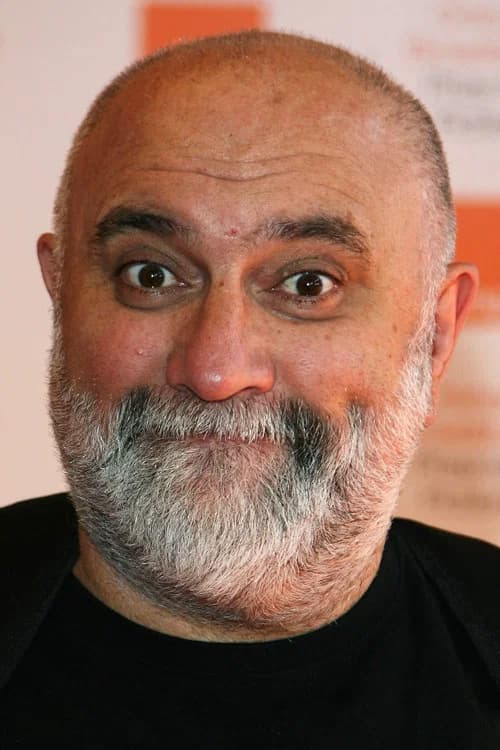
Alexei Sayle brings the same unruly, confrontational energy to acting that made him a central figure in British alternative comedy. Born and brought up in Liverpool, he entered London’s emerging comedy scene when the Comedy Store opened in 1979, becoming its first master of ceremonies before establishing himself as a leading performer at The Comic Strip. On television, Sayle found an ideal home in the anarchic world of The Young Ones. Between 1982 and 1984, he appeared as several members of the sprawling Eastern European Balowski family, turning each arrival into a concentrated burst of comic disruption. He later took multiple roles in The Comic Strip Presents... and co-wrote and starred in Didn’t You Kill My Brother? His own television work gave him still more room to combine character comedy, satire and performance, including three series of Alexei Sayle’s Stuff, followed by The All New Alexei Sayle Show and Alexei Sayle’s Merry-Go-Round. Stuff received an International Emmy in 1989. His film roles show the useful range beneath the forceful comic persona. Sayle moved between serious character work in Gorky Park and broad adventure comedy in Indiana Jones and the Last Crusade, while Carry On Columbus placed him among both contemporary comedians and veterans of the Carry On series. On stage, he played Trinculo, the king’s jester, in Jonathan Miller’s 1988 Old Vic production of The Tempest. Acting is only one part of Sayle’s career. He has also worked extensively as a screenwriter, author, radio performer and musician. His writing includes short stories, novels and two volumes of autobiography, while his radio work ranges from Alexei Sayle and the Fish People to Alexei Sayle’s Imaginary Sandwich Bar and Strangers on a Train. Across those forms, his appeal lies in a voice that remains unmistakably his own: politically alert, absurd, abrasive and capable of shifting from loud comic invention to sharply observed storytelling.
1 Film
Paddington
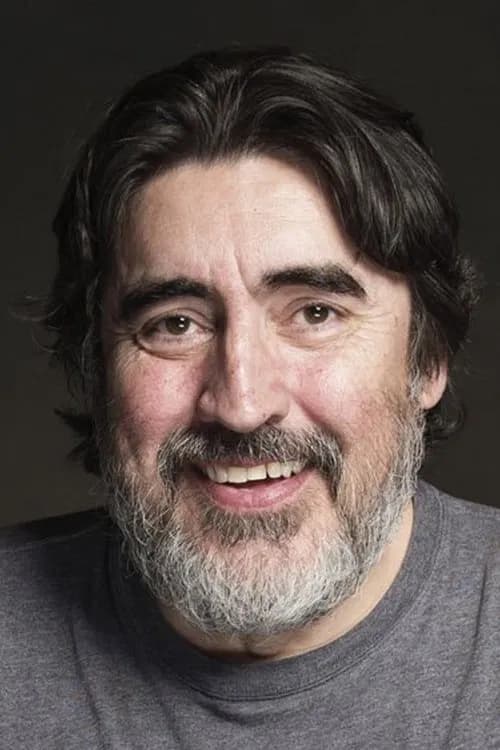
Alfred Molina has built the kind of career that rewards a second look. Equally at home in imposing dramatic roles, broad comedy and large-scale adventure, he can take command of a scene without making every performance feel cut from the same cloth. Born Alfredo Molina in Paddington, London, on May 24, 1953, he grew up in a working-class area of Notting Hill among other immigrant families. His father, Esteban, was Spanish, while his mother, Giovanna, was Italian. Molina decided he wanted to act after seeing Spartacus at nine, later training at the Guildhall School of Music and Drama and joining the National Youth Theatre. At 21, he adopted the first name Alfred at his agent’s suggestion. His first film appearance remains one of cinema’s great brief introductions: Satipo, Indiana Jones’s treacherous guide in the opening sequence of Raiders of the Lost Ark. Molina has said that the part helped establish his stage and screen career. More substantial early work followed in Letter to Brezhnev and Prick Up Your Ears, in which he played Kenneth Halliwell. Across the 1990s, Molina moved readily between British television and films as different as Enchanted April, Maverick, Dead Man, Boogie Nights and Magnolia. Frida gave him a particularly rich role as Diego Rivera opposite Salma Hayek, earning him BAFTA and SAG nominations. Two years later, Spider-Man 2 introduced his Otto Octavius — Doctor Octopus — to a much wider audience. He returned to the character in Spider-Man: No Way Home. Molina’s theatre work runs alongside his screen career rather than sitting apart from it. His Broadway performances in Art, Fiddler on the Roof and Red each brought Tony Award nominations, with Red casting him as painter Mark Rothko. Later television roles have included director Robert Aldrich in Feud: Bette & Joan and Chief Inspector Armand Gamache in Three Pines, which Molina also executive produced. It is a career defined less by one fixed persona than by a willingness to move between character parts, leading roles, stage drama and blockbuster filmmaking.
1 Film
Dublin
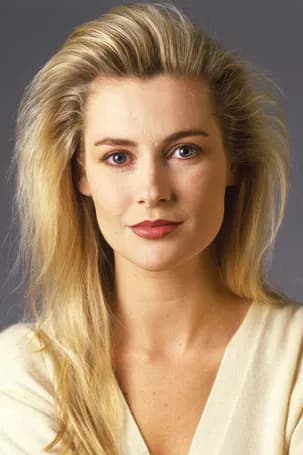
Alison Doody has a screen presence built on poise and restraint. Born in Dublin on 11 November 1966, she began working as a model after being approached by a photographer. Commercial work followed, but Doody set clear boundaries, avoiding glamour and nude assignments—a choice she carried into acting. Her screen career began with a small role as Jenny Flex in the 1985 James Bond film A View to a Kill. Just 18 at the time, she became the youngest Bond girl to date. Early parts quickly showed her range: she played IRA member Siobhan Donovan in A Prayer for the Dying, appeared as Lilias in the 1987 television adaptation of The Secret Garden, and took her first lead role as Sapsorrow in an episode of Jim Henson’s The Storyteller. After appearing opposite Pierce Brosnan in Taffin, Doody landed her most prominent film role as Austrian archaeologist and Nazi sympathiser Elsa Schneider in Indiana Jones and the Last Crusade. Acting opposite Harrison Ford and Sean Connery, she brought a cool, composed quality to one of the film’s central roles. Her work with Roger Moore, Connery and Brosnan also gave her the unusual distinction of appearing alongside three actors who played James Bond. Doody later co-starred with Jonathan Pryce in the miniseries Selling Hitler and played Flannery, girlfriend and agent to Charlie Sheen’s character, in Major League II. After almost a decade away from the screen, she returned in The Actors, followed by work in King Solomon’s Mines, Waking the Dead and the comedy-drama Beaver Falls. She also appeared in We Still Kill the Old Way and entered the Indian film industry with RRR. It is a career with long pauses and selective returns rather than constant visibility, but Doody’s best-known performances remain defined by the same assurance that marked her earliest screen work.
1 Film
Jalandhar
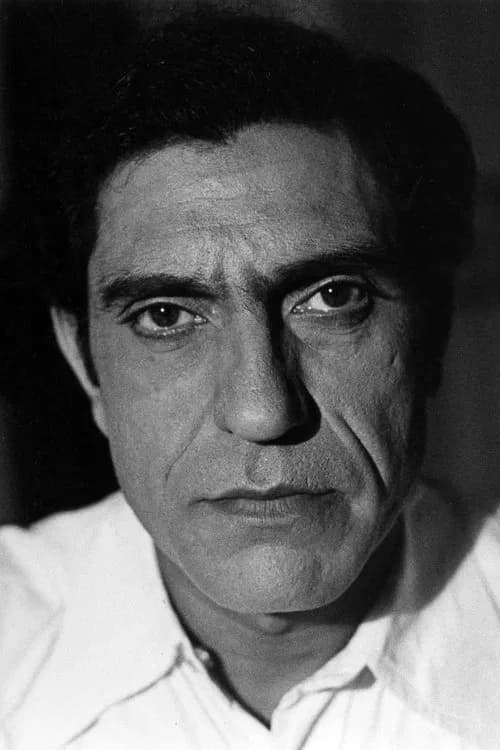
Amrish Puri brought a rare combination of theatrical control, physical authority and a formidable baritone to the screen. Born on June 22, 1932, in Jalandhar, he became best known as one of Hindi cinema’s most successful villains, but his career was broader than that familiar label suggests. Across more than 450 films between 1967 and 2005, he worked in Hindi, Kannada, Marathi, Punjabi, Malayalam, Telugu and Tamil cinema, as well as Hollywood productions. His path to film stardom was far from immediate. After moving to Mumbai in the mid-1950s and failing his first screen test, Puri took a government job with the Employees’ State Insurance Corporation. Acting remained part of his life through an amateur theatre group, including performances at Prithvi Theatre in plays written by Satyadev Dubey. He established himself on stage before cinema fully caught up with him, receiving the Sangeet Natak Akademi Award in 1979. Early film appearances often gave him little dialogue, an ironic beginning for an actor whose voice would become one of his defining tools. Supporting parts and henchman roles followed throughout the 1970s, before Hum Paanch gave him the main villain’s position in 1980. Roles such as Jagavar Choudhary in Vidhaata, Pasha in Hero, Thakral in Meri Jung, Bhujang in Tridev and Mogambo in Mr. India made his menace unusually vivid. He could dominate a scene without sacrificing precision, making even the most heightened antagonist feel fully committed to his own power. International audiences also knew him as Mola Ram in Indiana Jones and the Temple of Doom and as Gandhi’s employer and patron in South Africa in Gandhi. Yet Puri was never confined to villainy. His later protagonist-supporting roles included Dilwale Dulhania Le Jayenge, Pardes, Virasat and Ghatak, while Chachi 420 showed his comic range. He received Filmfare supporting-actor awards for Meri Jung and Virasat. By the time of his death in 2005, Puri had built a screen career defined not simply by intimidation, but by discipline, range and complete command of the frame.
1 Film
Northampton
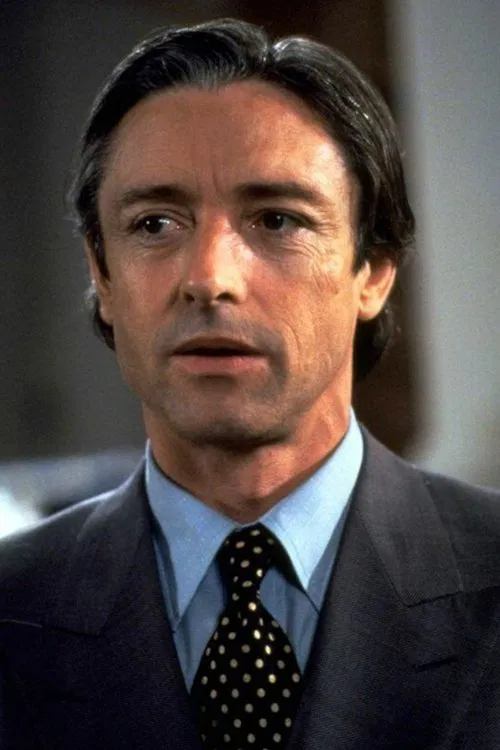
Born in Northampton, England, on 9 May 1947, Anthony Higgins is a British actor whose career has moved comfortably between theatre, film and television. He began acting in school and Cosmopolitan Club productions, taking lead roles in Treasure Island, Sweeney Todd and The Beggar’s Uproar before studying at the school of the Birmingham Repertory Theatre Company. He became a professional stage actor in 1967 and played Romeo at Birmingham Repertory, later working in Coventry, at the Chichester Festival, and with the Royal Shakespeare Company and National Theatre. His early screen work arrived under the name Anthony Corlan, a credit he used until 1975 because of another actor with a similar name. Television appearances in Journey to the Unknown and Strange Report were followed by films including John Huston’s A Walk with Love and Death, Something for Everyone, Taste the Blood of Dracula and Vampire Circus. That mix of literary drama, period filmmaking and horror established the range that would continue through his career. Higgins played Boris in the BBC adaptation The Roads to Freedom and later took the lead in The Eagle of the Ninth. His stage work remained important: Time Out named him Best Actor of 1979 for his work with the Royal Shakespeare Company that year. In the 1980s, Higgins appeared as Major Gobler in Steven Spielberg’s Raiders of the Lost Ark, played Stephan opposite Isabelle Adjani in Quartet, and took the leading role in Peter Greenaway’s The Draughtsman’s Contract. He also worked with Nagisa Oshima in Max mon amour and appeared opposite Sting in The Bride, alongside television roles in Lace, Reilly, Ace of Spies and Napoleon and Josephine: A Love Story. One of the neatest turns in Higgins’s screen career is his connection to both sides of the Sherlock Holmes rivalry. He played Rathe, the future Moriarty, in Young Sherlock Holmes in 1985, then returned as Holmes himself in Sherlock Holmes Returns in 1993. Later appearances included Chromophobia, Heroes and Villains: Napoleon, Lewis, Law & Order: UK and Agatha Christie’s Marple.
1 Film
Hollywood
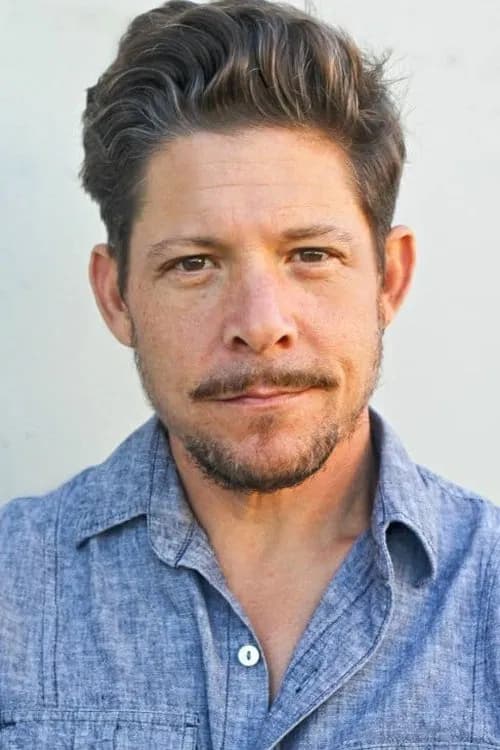
Bradley Gregg is an American actor and director whose career spans film, television, producing and work behind the camera. Born in Hollywood on November 8, 1966, Gregg has built a professional identity that is not limited to a single part of the filmmaking process. Acting remains a central part of that identity. His work as both a film and television actor places him across two distinct areas of screen storytelling, while his credits as a director and film producer show a broader involvement in how movies are made. It is a career shape defined less by one narrow lane than by movement between performance and production. That range is an important part of Gregg’s profile. Actors bring a particular understanding of scenes, pacing and collaboration to their work, while directing and producing require a different view of the finished project. Gregg’s association with all three roles makes him a screen professional with experience on more than one side of the camera. For movie fans, Gregg is the kind of talent whose career invites attention not only to his performances but also to the wider scope of his work. His background encompasses acting for film and television alongside directing and producing, giving his career a practical breadth within American screen entertainment. Born in the heart of Hollywood, he has gone on to participate in the industry as a performer, filmmaker and producer.
1 Film
Kolonnawa
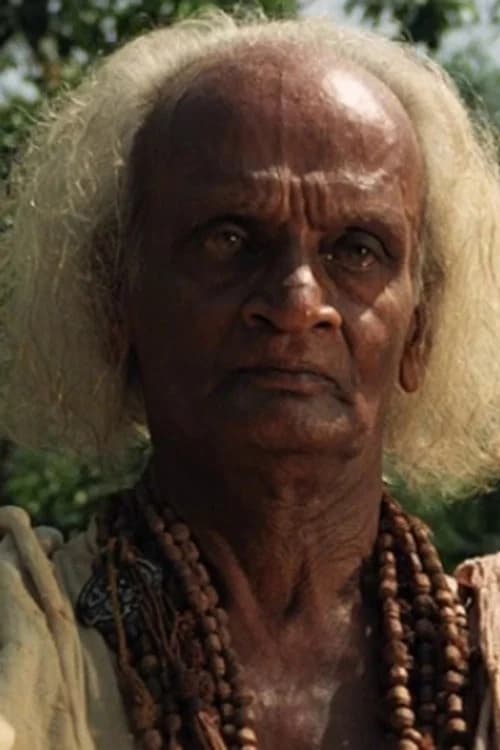
D. R. Nanayakkara built a screen career around characters who could be imposing, morally compromised or quietly unsettling. Born in Kolonnawa on March 15, 1915, he first found his way toward acting through the theatre. As a young man, he regularly attended stage plays, and around 1936 he was noticed at a performance by playwright Sirisena Wimalaweera, who invited him to join his troupe. Nanayakkara was later cast as Saranapala in Wimalaweera’s play Amma. That role began a long association with the playwright, with appearances in productions including Seedevi, Pitisara Kella, Rodi Kella and Maggona Charlie. When Wimalaweera adapted Amma for the screen in 1949, Nanayakkara made his film debut and also sang two songs. He continued appearing in Wimalaweera’s films until the filmmaker’s death in 1963. One of Nanayakkara’s most celebrated performances came in Lester James Peries’s Rekawa in 1956. As Sooty, the young protagonist’s thieving father, he played a man who tries to profit from his son’s supposed healing powers, with devastating consequences. The role established the kind of difficult, threatening presence he would bring to later films such as Kurulu Bedda, Sikuru Tharuwa and Binaramali. His range was not limited to supporting villainy. Nanayakkara won the Sarasaviya Best Actor Award for Bicycle Hora in 1968 and played the title role in Kathuru Muwath in 1971. He also took major parts in K. A. W. Perera films including Kapatikama, Duleeka, Lasanda and Nedeyo. Reuniting with Peries for Baddegama in 1981, he delivered another major negative role as the Medicine Man. International audiences may recognize him as the elderly village shaman in Indiana Jones and the Temple of Doom, released in 1984. It was a compact but important story role, sending Indiana Jones toward Pankot Palace in search of the village’s stolen sacred stone. Nanayakkara died in 1989. His final film, Ahas Maliga, reached screens five years later.
1 Film
Ottawa
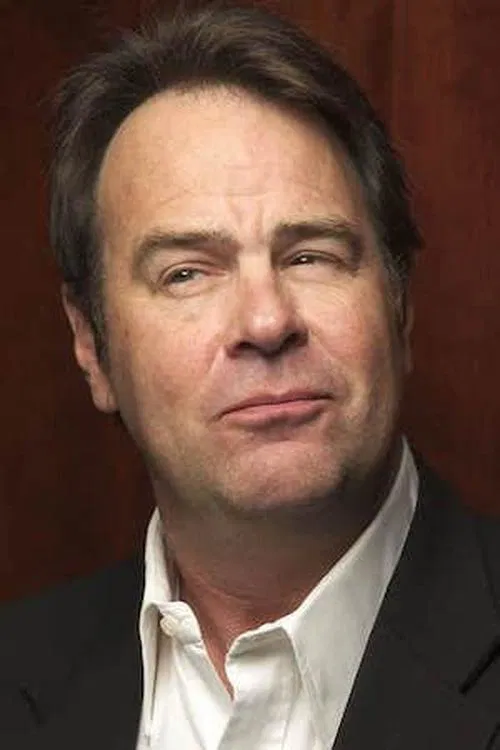
Dan Aykroyd has always been a difficult performer to reduce to one type. The Canadian-American actor, comedian, writer and musician can play manic or restrained, straight-laced or deeply strange—sometimes within the same character. Born in Ottawa on July 1, 1952, he developed an early interest in blues music and worked in Canadian nightclubs before joining the Second City comedy troupe in 1973. His breakthrough came with the original cast of Saturday Night Live, where he appeared from 1975 to 1979. Aykroyd brought impersonations, tightly wound authority figures and wonderfully peculiar creations to the show, including Beldar of the Coneheads, toy manufacturer Irwin Mainway and the feverish salesman of the “Super Bass-O-Matic ’76” sketch. He also won an Emmy for writing on SNL in 1977. Music was never merely a side project. With John Belushi, Aykroyd turned the Blues Brothers from an SNL act into a successful recording and live-performance venture. He played Elwood Blues and co-wrote the 1980 film The Blues Brothers, helping establish the blend of comedy, character work and genuine musical enthusiasm that remains central to his screen identity. That same mix of conviction and eccentricity powered much of his film career. He was the ruined commodities broker Louis Winthorpe III opposite Eddie Murphy in Trading Places, then co-wrote and starred in Ghostbusters as Dr. Ray Stantz. Inspired by Aykroyd’s fascination with parapsychology, Ghostbusters gave him an ideal role: earnest, excitable and completely committed to the supernatural premise. He later returned as Stantz in Ghostbusters II, Ghostbusters: Afterlife and Ghostbusters: Frozen Empire. Aykroyd has also shown considerable range away from broad comedy. His performance in Driving Miss Daisy earned an Academy Award nomination for Best Supporting Actor, while films including My Girl, Sneakers, Tommy Boy and Grosse Pointe Blank placed his distinctive presence in very different ensembles. Across acting, writing, producing, directing, voice work and music, his career has been held together by a recognizable quality: he makes even the most unusual material feel like serious business.
1 Film
Liverpool
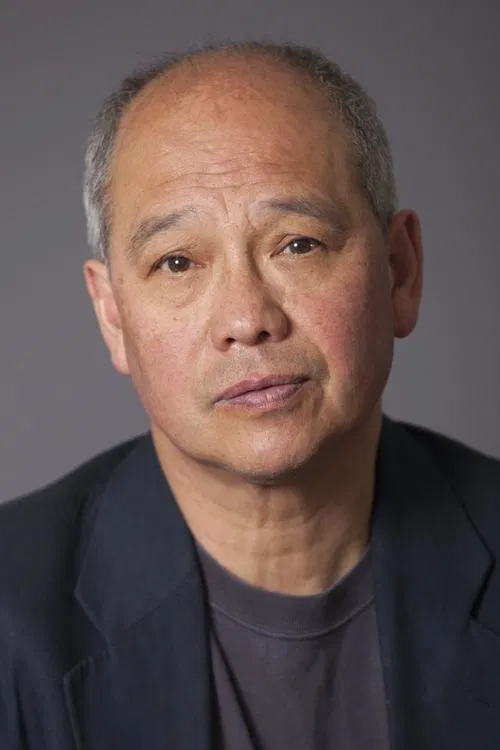
David Yip is an English actor whose career has moved confidently between television, film and theatre. Born in Liverpool on 4 June 1951, he was one of eight children in a working-class family. His father was a Chinese seaman from Canton, while his mother was from Liverpool. Yip left school at 16 and spent two years working as a shipping clerk for British Railways before an assistant stage manager position at the Neptune Theatre opened another path. While working at the Everyman, he took part in local youth productions. Encouraged by his peers to audition for drama school, he entered East 15 Acting School and completed his training in 1973. Theatre came first, followed by early television appearances in Whodunnit?, the BBC film Savages and the sitcom It Ain't Half Hot Mum. Yip's defining early screen role arrived with The Chinese Detective. From 1981 to 1982, he played John Ho, becoming the first East Asian lead on British television. The role made use of his thoughtful, restrained presence; in a 2022 retrospective, the British Film Institute described his performance as "pensive and affecting." Steven Spielberg subsequently cast Yip as Wu Han in the opening scene of Indiana Jones and the Temple of Doom, his feature-film debut. He followed it with roles as CIA liaison agent Chuck Lee in A View to a Kill and Mike Wong in the mystery comedy Ping Pong. His later screen work included Brookside, Every Silver Lining, Hamlet, Entrapment, Arabian Nights, Fortitude and the 2020 thriller Break. Yip has continued returning to the stage as both performer and writer. His play Gold Mountain, based on his father's life, premiered at Liverpool's Unity Theatre in 2010 and was performed again in 2012. Productions of Turandot, Yellow Face, The Great Wave and Eastern Star further reflect a career built not around one medium, but around the steady craft of performance.
1 Film
Salt Lake City
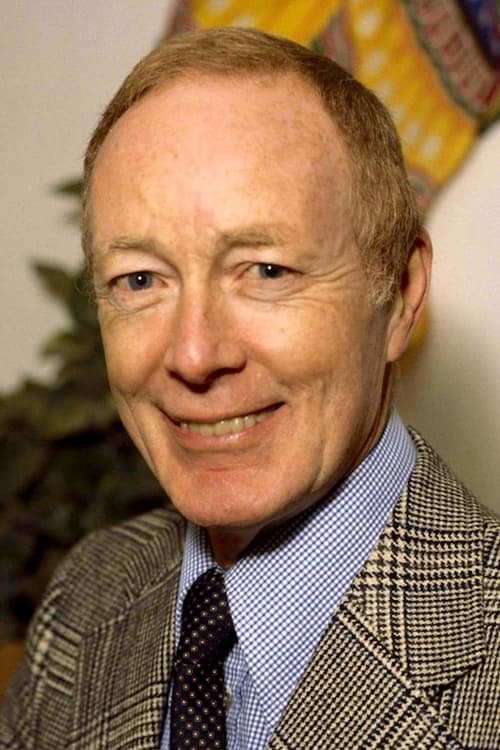
Don Fellows was an American actor whose work encompassed the stage, film and television. Born in Salt Lake City on December 22, 1922, he belonged to a generation of performers whose careers were not confined to one format. His professional identity stretched from live theatre to work made for both the large and small screens. That range is the defining feature of Fellows’ career in the available record. Stage acting asks for presence across a room, while film and television bring the performer much closer to the audience. Fellows’ association with all three forms places him among the working actors who adapted their craft to different spaces and production styles rather than being identified exclusively with a single branch of the profession. Fellows lived from 1922 to 2007. Although no Don Fellows film is currently connected to the Please Rewind archive, his profile belongs on the Talent Wall as part of the wider fabric of American screen acting. Not every career is best understood through one famous title or a single defining role. Some are better viewed through the breadth of the work itself, and Fellows’ combination of stage, film and television credits gives his career that broader shape. For viewers encountering his name in a cast list, the useful starting point is his versatility across mediums. He was not simply a film actor who occasionally worked elsewhere, at least in the way his occupations are recorded; theatre and television were also integral parts of his professional life. That three-part identity offers a concise but meaningful picture of Don Fellows: an American performer whose career crossed the principal acting platforms of his time.
1 Film
Ghana
Eddie Tagoe took a less conventional route into acting. Born Eddie Nii Afutu Tagoe in Ghana to Chief Asafoatshe Ayah Tagoe, he travelled to London to study reflexology before turning his attention toward performance. That earlier discipline remains part of his professional identity: Tagoe is described as both a Ghanaian actor and a reflexologist. His move into acting was supported by a grant from the government of Ghana, which enabled him to study at the Royal Academy of Dramatic Art in London. It was a significant change of direction, taking him from reflexology into formal dramatic training and establishing the foundation for his work as an actor and film actor. What makes Tagoe’s story interesting is the shape of that journey. Rather than following a straight line toward the screen, he arrived at acting after pursuing another field altogether. Reflexology and dramatic performance may appear to belong to separate worlds, but both place an unusual degree of importance on physical awareness and close attention to people. In Tagoe’s biography, they form two distinct parts of the same professional life. There are no Eddie Tagoe films currently connected to the Please Rewind archive, so this profile does not single out one role as a definitive introduction to his screen work. For now, the clearest starting point is the path itself: a Ghana-born actor who travelled to London, first studied reflexology and then received support from Ghana to train at one of London’s major drama schools. It is a compact career story, but one marked by an uncommon transition and a strong connection between Ghana and London.
1 Film
Wansford
Eugene Lipinski is an English-Canadian actor and screenwriter whose career profile brings performance and writing together. Born in Wansford on November 5, 1956, he is associated with acting for the screen, including television, as well as the craft of screenwriting. That combination is an important part of Lipinski’s professional identity. Acting and screenwriting approach a story from different directions: one turns the written material into a performance, while the other helps create the structure, dialogue and characters that performers work with. Lipinski’s occupations place him within both sides of that process, rather than defining him solely by his work in front of the camera. Television acting is also a distinct part of his career description. It sits alongside the broader designation of actor, giving his profile a clear screen focus while preserving the wider range suggested by his work as a performer. At the same time, his association with screenwriting adds another dimension, pointing to an involvement with storytelling beyond acting alone. With no need to reduce that career to a single label, Lipinski can be described most accurately as a screen talent with two connected disciplines. He is an actor, a television actor and a screenwriter, with an English-Canadian identity and roots in Wansford. Those straightforward details offer the clearest outline of his work: a career shaped by both performing stories and writing them for the screen.
1 Film
Explore the movies and roles of Julian Glover.
1 Film
Explore the movies and roles of Karen Allen.
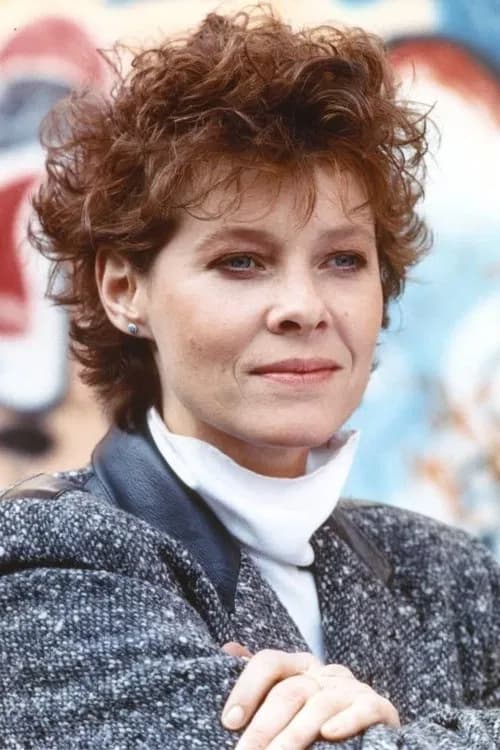
1 Film
Explore the movies and roles of Kate Capshaw.

1 Film
Explore the movies and roles of Ke Huy Quan.
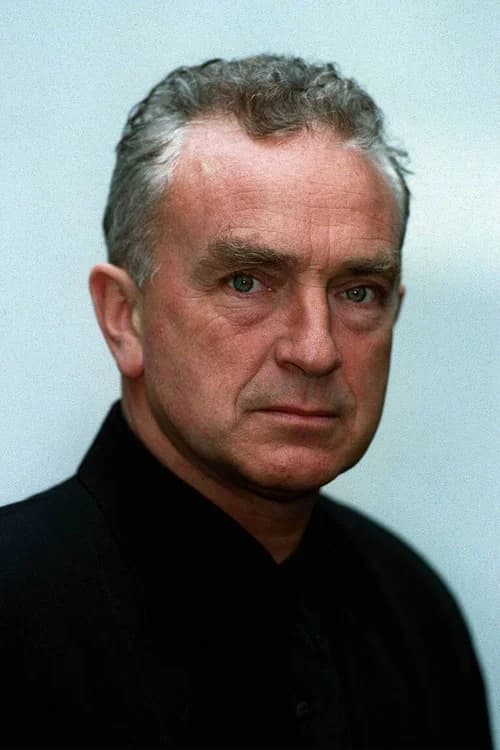
1 Film
Explore the movies and roles of Paul Freeman.
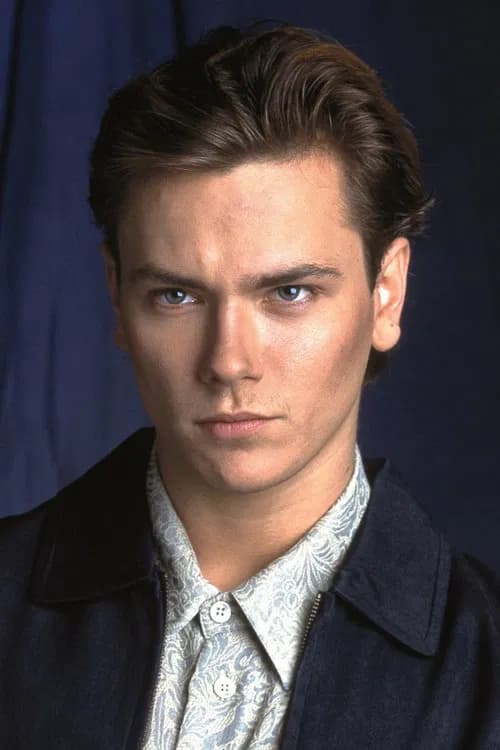
1 Film
Explore the movies and roles of River Phoenix.
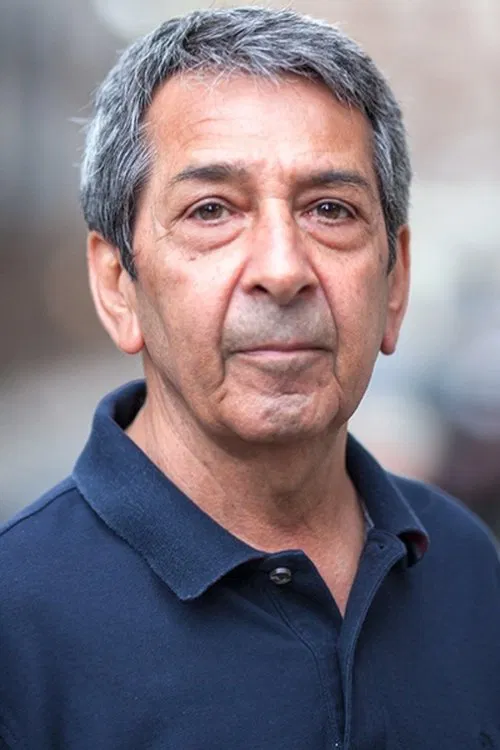
1 Film
Explore the movies and roles of Roshan Seth.
The collection
Rewind the movies that built the Indiana Jones franchise.
1981 // VHS
Rewind Raiders of the Lost Ark on Please Rewind.
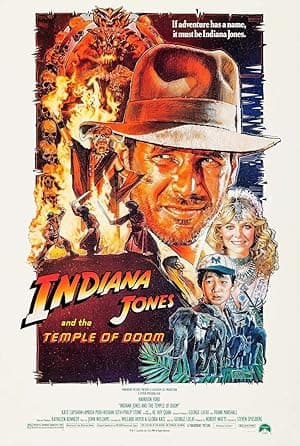
1984 // VHS
Rewind Indiana Jones and the Temple of Doom on Please Rewind.
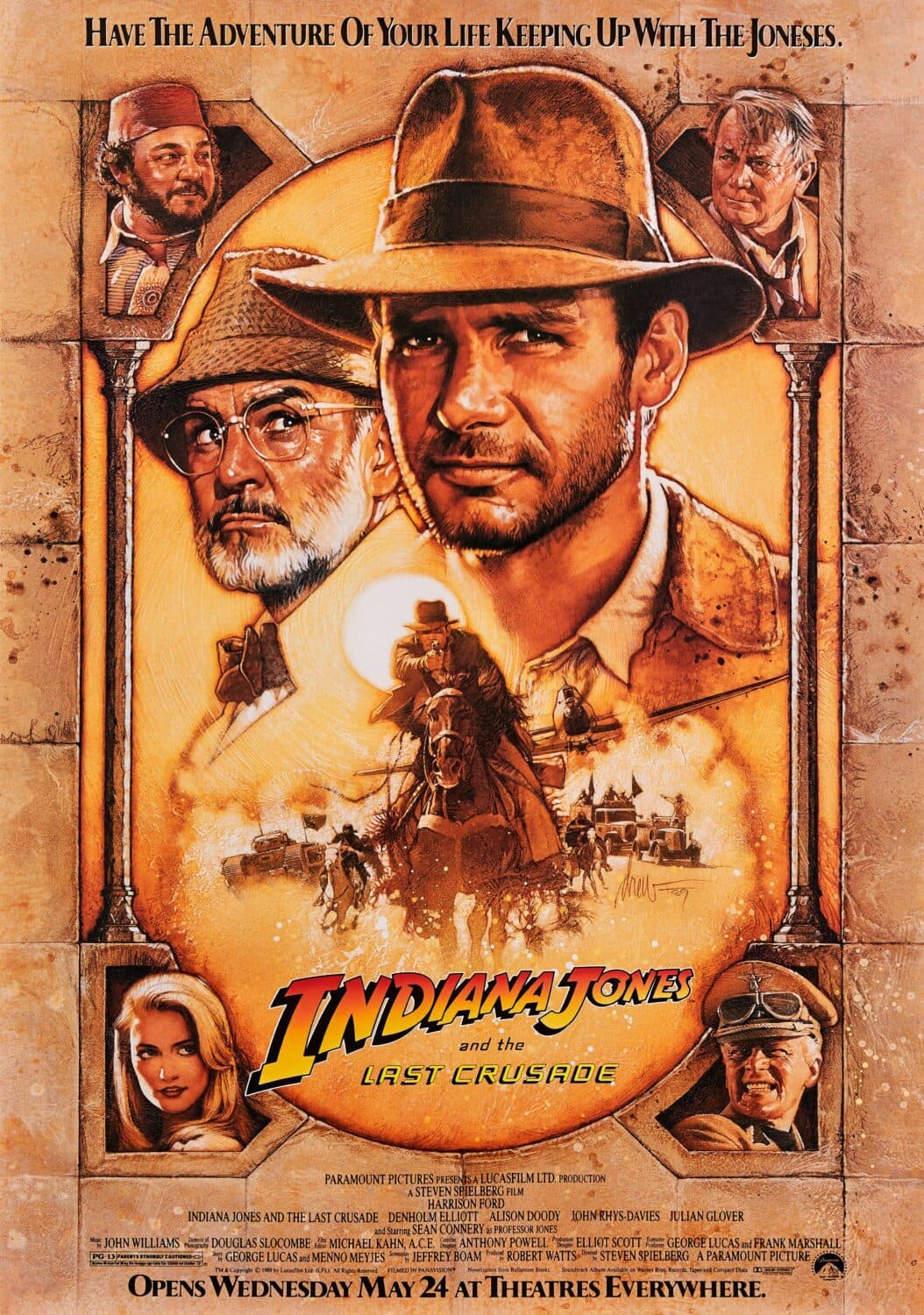
1989 // VHS
Rewind Indiana Jones and the Last Crusade on Please Rewind.