2001 // VHS
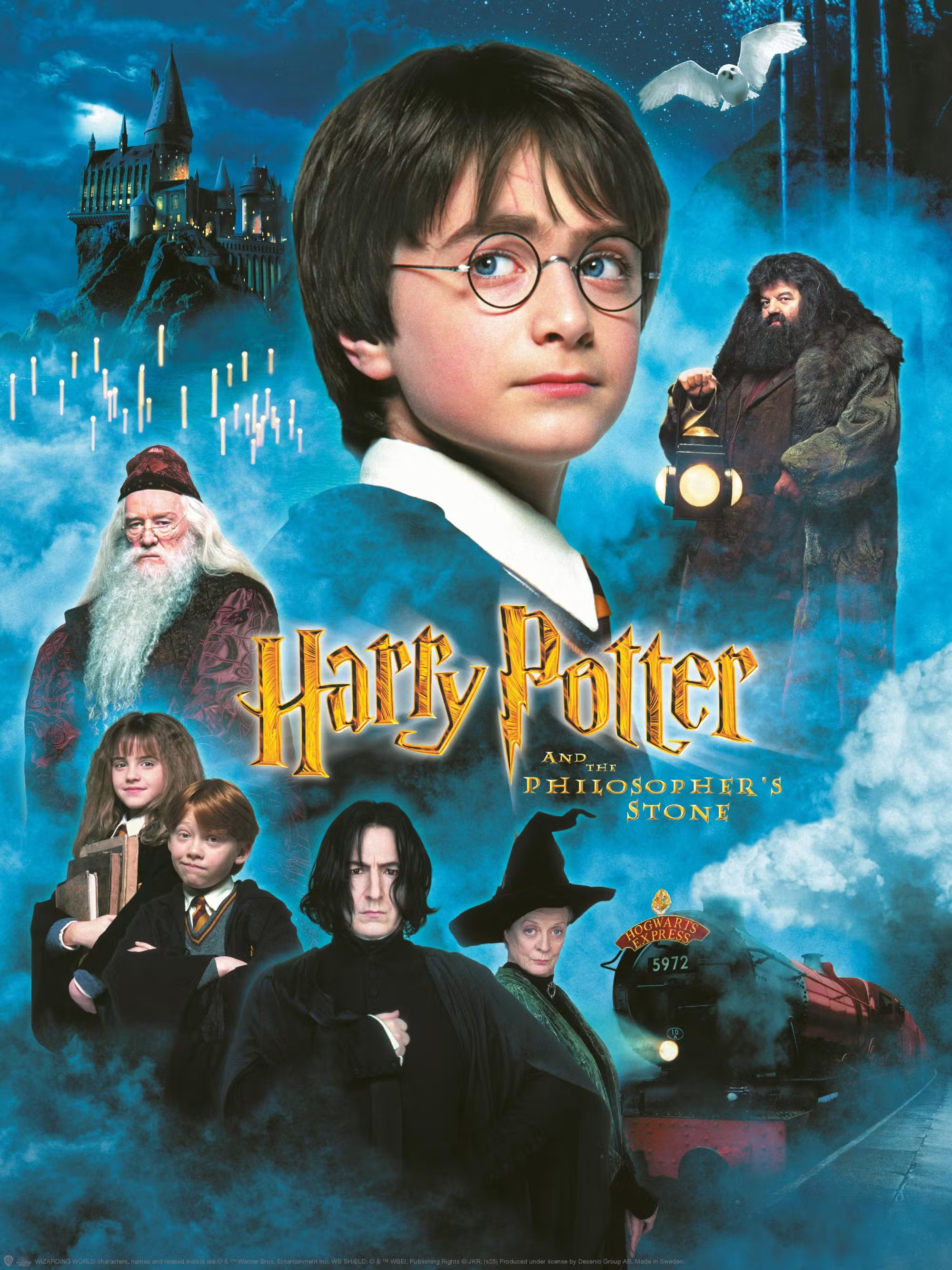
Harry Potter and the Philosopher's Stone
An eleven-year-old outsider, a letter that changes everything, and the first-year magic that introduced a generation to Hogwarts.
Please Rewind // Franchise Archive
Explore the Harry Potter movies, cast, characters, Wizarding World stories and the latest news from the franchise.
Latest from the Wizarding World

TV
HBO has released a new trailer for its Harry Potter and the Philosopher’s Stone series, opening on the Sorting ceremony as Dominic McLaughlin, Alastair Stout and Arabella Stanton arrive at Hogwarts — and it teases more of Dumbledore and Snape.
Read Story →

TV
Audible’s full‑cast editions of J.K. Rowling’s Harry Potter books have sold more than 5 million copies. The Amazon‑owned service began rolling out the new productions last November, and all seven are now available.
Read Story →

Movies
HBO’s new Harry Potter TV adaptation is scheduled to arrive in 2027 and has already been greenlit for another season. Casting updates include the young leads receiving Hogwarts letters and a planned recast for Ginny Weasley.
Read Story →

TV
HBO’s new Harry Potter series is heading back to Hogwarts this Christmas with a new trio, a huge supporting cast and an eight-episode adaptation of Harry Potter and the Philosopher’s Stone. Here’s everything confirmed so far.
Read Story →
Cast Directory
The actors behind the Harry Potter movies — from the faces that defined the series to the supporting players who helped bring the world to life.

8 Films
Harry Potter
Hammersmith
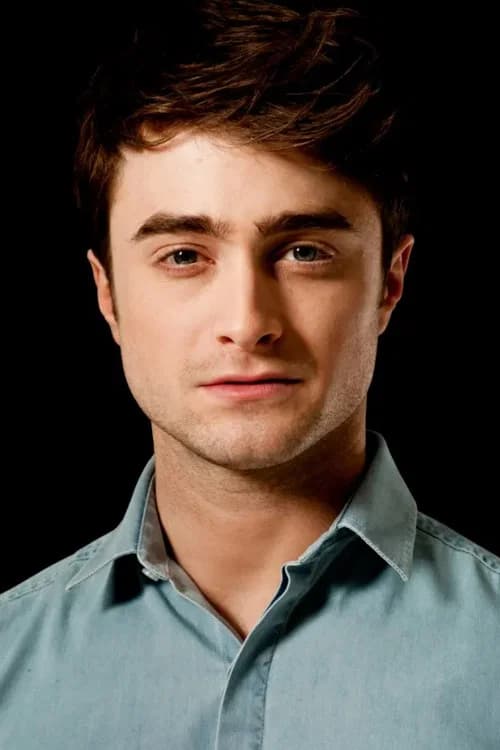
Daniel Radcliffe grew up on screen, but the shape of his career since Harry Potter has been anything but predictable. Born in Hammersmith, London, on 23 July 1989, he first acted at ten, playing the young title character in the BBC adaptation of David Copperfield. His film debut followed in The Tailor of Panama before he was cast as Harry Potter in Harry Potter and the Philosopher’s Stone. Radcliffe played Harry across the complete film series, released between 2001 and 2011. It was a rare kind of acting apprenticeship: one character carried from childhood into adulthood, with the scale and emotional demands increasing along the way. Radcliffe has said that he remains proud of the association, even as his later choices have shown little interest in repeating it. That sense of curiosity runs through his work. On stage, he took the demanding lead role of Alan Strang in Equus in London and on Broadway, then moved into musical comedy with How to Succeed in Business Without Really Trying. On film, The Woman in Black gave him a classically sombre horror role, while Kill Your Darlings cast him as poet Allen Ginsberg. Swiss Army Man went much stranger, with Radcliffe playing a talkative corpse opposite Paul Dano, and Imperium placed him inside a tense undercover drama as an FBI agent infiltrating a white supremacist group. His range has continued to stretch across the survival thriller Jungle, the television comedy Miracle Workers, the action-adventure comedy The Lost City and the deliberately unruly Weird: The Al Yankovic Story, in which he played “Weird Al” Yankovic and received a Primetime Emmy nomination. These performances make good use of his willingness to be sincere and ridiculous, sometimes within the same scene. Theatre has remained a substantial part of that career. Radcliffe played Charley Kringas in the Broadway revival of Merrily We Roll Along and won the Tony Award for Best Featured Actor in a Musical. It is a fitting marker for an actor whose post-franchise career has been built not around escaping one famous role, but around finding increasingly varied reasons to keep watching.

8 Films
Ron Weasley
Harlow, London, UK
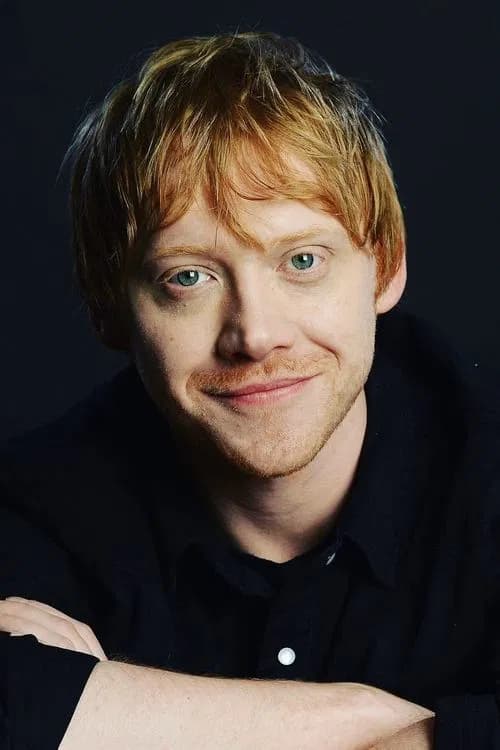
Rupert Grint’s screen career began with the sort of role that can define an actor for life. Born in Harlow in 1988, Grint had performed in school productions and local theatre but had never acted professionally when he auditioned to play Ron Weasley. A fan of the Harry Potter books, he sent the casting team a video in which he rapped about wanting the part. By 2000, he had been selected alongside Daniel Radcliffe and Emma Watson. Harry Potter and the Philosopher’s Stone became Grint’s screen debut in 2001. Across all eight films, he made Ron more than the friend standing beside the central hero. Grint’s dry reactions, nervous energy and instinct for comedy gave the character his own rhythm, while the later entries asked him to bring out Ron’s insecurity, anger and growing confidence. That progression is especially clear from Harry Potter and the Prisoner of Azkaban and Goblet of Fire through to Half-Blood Prince, where Grint enjoyed playing a more emotional and self-assured version of the character. The two-part Deathly Hallows finale gave Ron some of his most strained and consequential material. Part 1 leaned into the tensions within the central trio, allowing Grint to show the value of restraint and a slow-building response. Part 2 returned him to the larger sweep of the series for its conclusion in 2011. Seen together, the films preserve an unusual screen journey: a young performer and his character growing up across a full decade. Grint also worked beyond Hogwarts during those years, appearing in Thunderpants, Driving Lessons, Cherrybomb and Wild Target. His later career has moved between film, television and theatre. He made his London stage debut in Mojo, followed by a Broadway appearance in It’s Only a Play, and starred as Julian Pearce in the psychological horror series Servant. Further screen roles have included Guillermo del Toro’s Cabinet of Curiosities and M. Night Shyamalan’s Knock at the Cabin. It is a varied body of work, but Ron Weasley remains the best place to see the qualities Grint brought to the screen from the beginning: comic unease, warmth and an ability to make the supporting friend feel essential.

8 Films
Hermione Granger
Paris
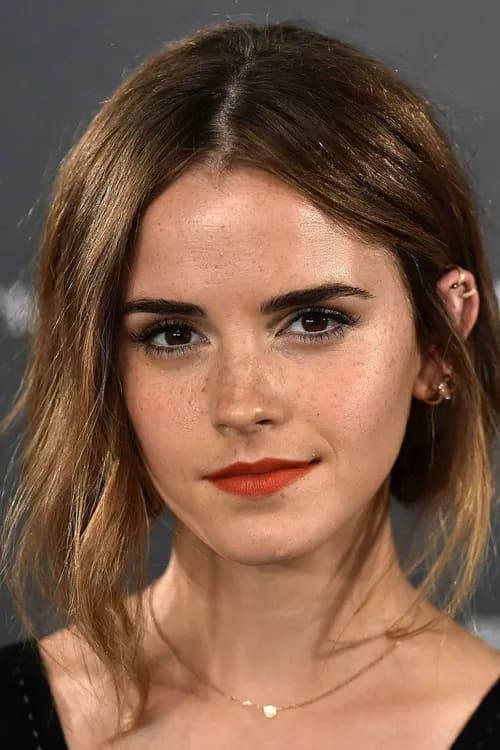
Emma Watson grew up on screen, but the appeal of her career lies in how deliberately she has tried to move beyond that beginning. Born in Paris on 15 April 1990, she moved to England at five and trained in singing, dancing and acting at the Oxford branch of Stagecoach Theatre Arts from the age of six. Before Harry Potter, her experience came from school plays and Stagecoach productions rather than professional acting. That changed with Harry Potter and the Philosopher’s Stone in 2001. As Hermione Granger, Watson brought earnestness, intelligence and a forceful streak to a character who became more assertive as the series continued. She nearly left the franchise after Harry Potter and the Goblet of Fire, uneasy about the scale of the commitment, but ultimately stayed through Harry Potter and the Deathly Hallows – Part 2. The eight films gave her a rare screen education, taking her from a first-time child actor to an adult performer within the same role. Her post-Potter choices often pushed against the neatness associated with Hermione. She played wardrobe assistant Lucy in My Week with Marilyn, then found vulnerability and warmth as Sam in The Perks of Being a Wallflower. Sofia Coppola’s The Bling Ring offered a sharper turn, while Noah placed her in physically and emotionally demanding material. She later played Belle in Disney’s live-action Beauty and the Beast, shaping the character as an assistant to her inventor father, and appeared as Meg March in Greta Gerwig’s Little Women. Watson completed a degree in English literature at Brown University in 2014, balancing her studies with an already substantial acting career. Her work has also extended into modelling, fashion sustainability and activism. After several years away from acting, she said in 2023 that she would “absolutely” return, while making clear that she was prepared to wait for the right project. That selectiveness fits the shape of her career: public from an unusually young age, yet increasingly determined to choose how—and when—she appears on screen.

8 Films
Rubeus Hagrid
Scotland
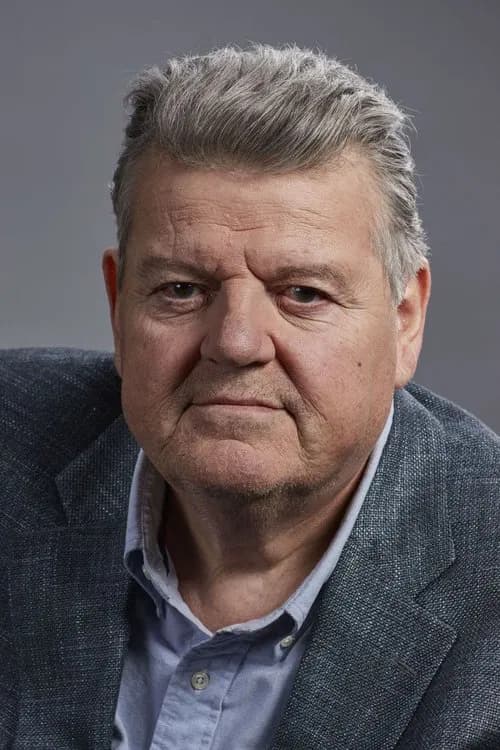
Robbie Coltrane (1950–2022) was a Scottish actor whose imposing presence came with a rare flexibility: he could be boisterously funny, quietly tender or genuinely formidable, sometimes within the same performance. Born in Rutherglen, he studied painting at the Glasgow School of Art before moving into acting in his early twenties. He adopted the name Coltrane in tribute to jazz saxophonist John Coltrane and began working in theatre and comedy. His early screen career ranged across sketch shows, television drama and film. Appearances in The Comic Strip Presents and Alfresco made good use of his comic instincts, while roles such as Falstaff in Kenneth Branagh’s Henry V showed a different side of his range. In the 1990s, Coltrane found one of his defining television parts as forensic psychologist Dr Edward “Fitz” Fitzgerald in Cracker. The performance won him three BAFTA awards and demonstrated how effectively he could turn wit, volatility and physical authority into compelling drama. Film audiences also knew him as Valentin Zukovsky in the James Bond films GoldenEye and The World Is Not Enough. For a generation, however, Coltrane is inseparable from Rubeus Hagrid. Beginning with Harry Potter and the Philosopher’s Stone in 2001, he played Hagrid throughout all eight Harry Potter films, concluding with Harry Potter and the Deathly Hallows – Part 2 in 2011. His Hagrid gave the series warmth and weight: a large figure played without losing sight of the character’s gentleness, humour or vulnerability. Coltrane’s later work included voice performances in The Tale of Despereaux, The Gruffalo and Brave, as well as the four-part television drama National Treasure. That role earned him a BAFTA nomination and a Royal Television Society Programme Award, adding another demanding performance to a career that moved comfortably between comedy, fantasy, crime drama and character work.

8 Films
Draco Malfoy
Epsom, Surrey, UK
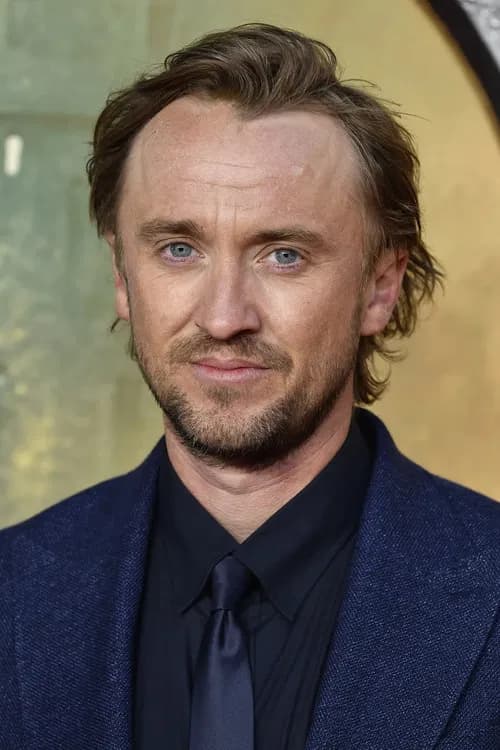
Tom Felton has spent much of his screen career working against the easy first impression. Born Thomas Andrew Felton in Epsom on 22 September 1987, he began acting in advertisements before appearing as Peagreen Clock in The Borrowers and Louis T. Leonowens in Anna and the King. Yet it was Draco Malfoy, with his pale hair, sharp sneer and air of inherited superiority, who made Felton familiar to movie audiences. Felton originally read for Harry Potter and Ron Weasley before being cast as Draco in Harry Potter and the Philosopher's Stone. He went on to play the character across all eight Harry Potter films, from Philosopher's Stone in 2001 to Harry Potter and the Deathly Hallows – Part 2 in 2011. That long run gave him more to work with than simple schoolyard nastiness. As the series darkened, Draco's smug confidence began to buckle under fear and expectation, particularly in Harry Potter and the Half-Blood Prince. Felton won consecutive MTV Movie Awards for Best Villain for that film and Harry Potter and the Deathly Hallows – Part 1. The role also shaped his life away from the camera. His school schedule was arranged around filming the early movies, while his dyed hair and antagonist status led to name-calling from classmates. Felton has credited his maternal grandfather, geophysicist Nigel Anstey, with inspiring Draco's sneer; Anstey also served as his chaperone during the first film. Beyond Hogwarts, Felton's work has moved through science fiction, horror, period drama and television. His screen roles include Dodge Landon in Rise of the Planet of the Apes, James Ashford in Belle, a US Army dog handler in Megan Leavey and Doctor Alchemy in The Flash. He has also worked as a singer and voice actor, made his West End debut in 2:22 A Ghost Story in 2022, and published the memoir Beyond the Wand: The Magic and Mayhem of Growing Up a Wizard. Draco remains the defining role, but Felton's career has never been confined to one corridor of Hogwarts.

8 Films
Severus Snape
Acton
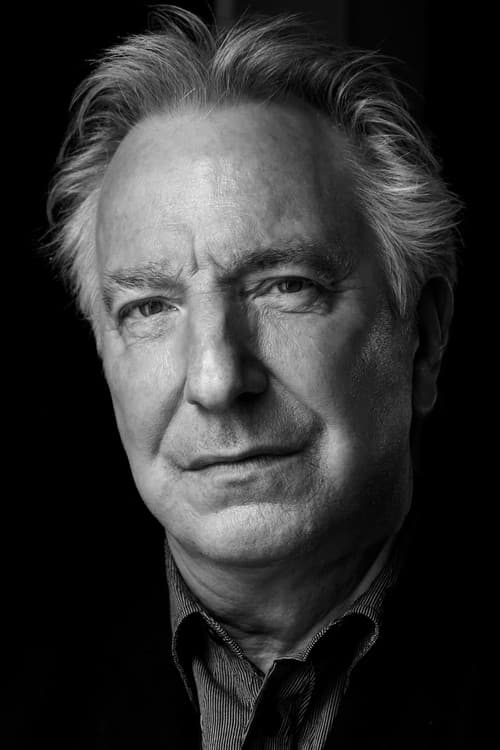
Alan Rickman brought a deep, measured voice and languid delivery to the screen, qualities that could make menace, comedy or quiet tenderness feel equally natural. Born in Acton on 21 February 1946, he first pursued visual art, studying at Chelsea College of Art and Design and the Royal College of Art before working as a graphic designer. After three years running the design studio Graphiti with friends, he changed course and trained at RADA from 1972 to 1974. Rickman built his craft in British repertory and experimental theatre, later working with the Royal Shakespeare Company. His performance as the Vicomte de Valmont in Les Liaisons Dangereuses moved from the West End to Broadway and earned Tony and Drama Desk nominations. By the time he made his feature-film debut as Hans Gruber in Die Hard in 1988, his command of a scene was already thoroughly tested. Gruber became one of cinema’s best-known villains, although Rickman resisted being confined to that kind of role. The range that followed proved why. He played the gleefully wicked Sheriff of Nottingham in Robin Hood: Prince of Thieves, winning a BAFTA for the performance, but also brought romantic feeling to Truly, Madly, Deeply and restraint to Colonel Brandon in Sense and Sensibility. His comic instincts found especially good outlets in Galaxy Quest, as the exasperated Alexander Dane, and Dogma, as the angel Metatron. For a generation of viewers, Rickman became Severus Snape across the Harry Potter film series from 2001 to 2011. The role made full use of his ability to keep a character’s motives guarded without making him unreadable. Elsewhere, he voiced Marvin in The Hitchhiker’s Guide to the Galaxy and Absolem in Alice in Wonderland, and appeared in Love Actually, Sweeney Todd and Eye in the Sky. Rickman also directed for stage and screen, including The Winter Guest and A Little Chaos. Whether playing a villain, romantic lead, comic actor or compromised authority figure, he was rarely hurried and never careless about the weight of a line.

8 Films
Filius Flitwick
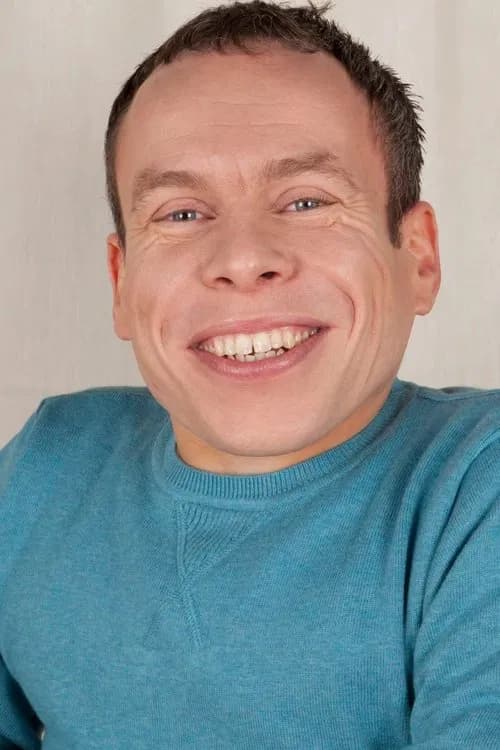
Explore the movies and roles of Warwick Davis.

8 Films
Ginny Weasley
London
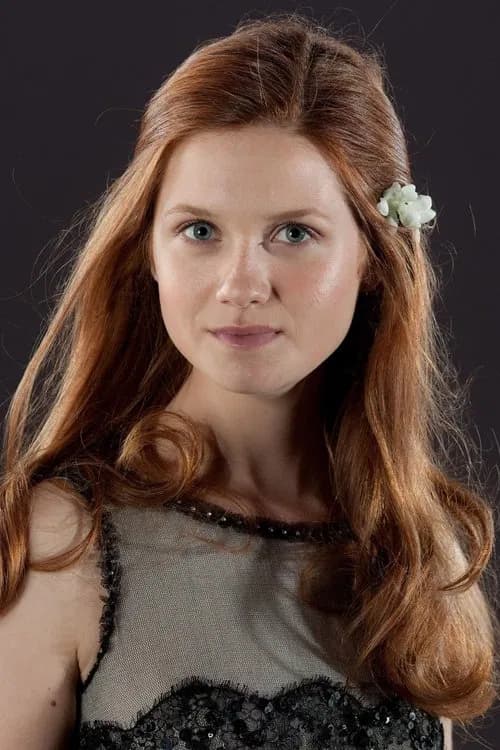
Bonnie Wright grew up on screen. Born in London on 17 February 1991, she made her film debut at nine as Ginny Weasley in Harry Potter and the Philosopher’s Stone. The appearance was brief, but the role expanded across the series, taking Ginny from Ron Weasley’s younger sister to a member of Dumbledore’s Army, a Gryffindor Quidditch player and Harry’s eventual partner. Wright appeared in all eight Harry Potter films, giving her an unusually long stretch in which to develop one character. Ginny’s story moved gradually from the edges of the ensemble toward its centre, with Harry Potter and the Chamber of Secrets giving Wright an early dramatic storyline involving Tom Riddle’s diary. By Harry Potter and the Order of the Phoenix and Harry Potter and the Half-Blood Prince, the character had become a more assured presence in the action. Wright’s performance in the final film earned her an Empire Award nomination. She also voiced Ginny in three Harry Potter video games. That decade on set helped shape Wright’s interest in filmmaking. While the final Harry Potter films were being made, she studied at the London College of Communication, graduating with a BA in filmmaking in 2012. The same year, she founded the production company BonBonLumiere and made her writing and directing debut with the coming-of-age short Separate We Come, Separate We Go, starring David Thewlis. Her acting work beyond Hogwarts has included the television films Stranded and Agatha Christie: A Life in Pictures, as well as independent features Before I Sleep, The Sea, After the Dark and Who Killed Nelson Nutmeg? She has also worked as a voice actor and made her stage debut in Peter Ustinov’s The Moment of Truth. Behind the camera, Wright has continued directing shorts and music videos. Her projects include Know Thyself, Phone Calls, Medusa’s Ankles and videos for Sophie Lowe, Pete Yorn and Scarlett Johansson, and MAGUIRE. It is a career shaped not simply by growing up in a major film series, but by turning that experience into an ongoing interest in writing, directing and producing.

8 Films
Seamus Finnigan
County Kildare
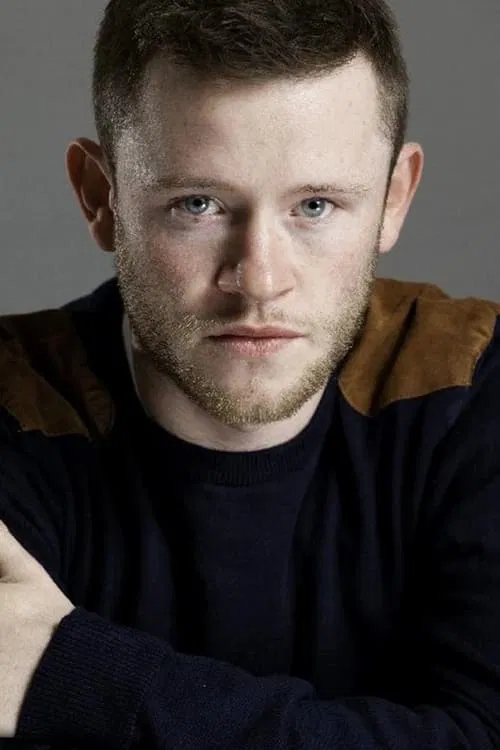
Devon Murray is an Irish actor whose screen career began with remarkable speed. Born on 28 October 1988 in County Kildare, Ireland, he was sent to the Billie Barry Stage School by his parents at the age of seven. Within five weeks, he had landed a Tesco television advertisement; within two months, he was appearing alongside Aidan Quinn in This Is My Father (1998). Murray continued his training at the National Performing Arts School before taking his breakthrough role in Angela’s Ashes (1999). He followed it by acting alongside Jane Seymour in Yesterday’s Children (2000), building an early run of film and television work before securing the part that would define the next decade of his career. After auditioning four times, Murray was cast as Seamus Finnigan in the Harry Potter film series. He played Seamus in all eight movies, with production spanning from 2000 to 2010. That long commitment made him a familiar part of the series’ ensemble and gave his career an unusual shape: Murray effectively grew up on screen within one of cinema’s largest continuing casts. His early work shows that the Harry Potter films did not arrive out of nowhere. By the time he entered the series, Murray had already moved from stage-school training and advertising into substantial film roles. His path from County Kildare to This Is My Father, Angela’s Ashes and Yesterday’s Children happened in only a few years, while his decade as Seamus Finnigan gave him a lasting place in a film series built around recurring characters and an audience that returned for every chapter.

7 Films
Dean Thomas
London
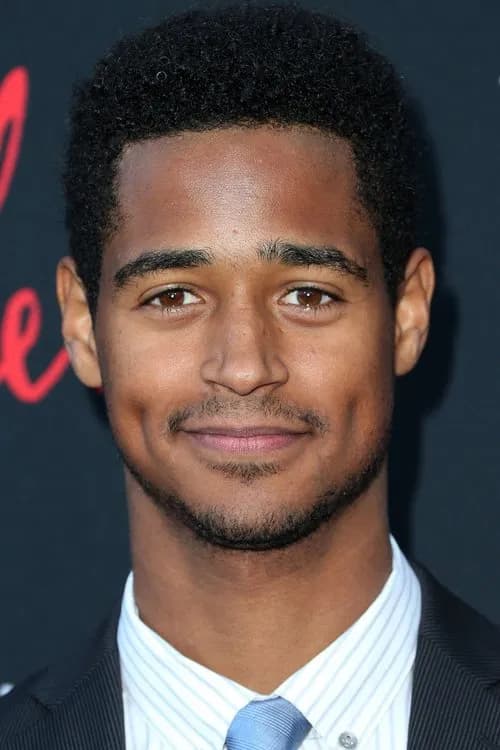
Alfred Enoch has built a career that moves comfortably between large-scale screen worlds, tightly wound television drama and classical theatre. Born in London on 2 December 1988, the English actor made his screen debut as Dean Thomas in Harry Potter and the Philosopher’s Stone in 2001. He continued playing Dean throughout the film series and also voiced the character in several Harry Potter video games. Rather than remain tied to one early role, Enoch broadened his range on the London stage, appearing in productions including Coriolanus, Timon of Athens and Antigone. That grounding in theatre has remained a consistent part of his work. In 2016, he played Edgar and Poor Tom in a Talawa Theatre Company and Manchester Royal Exchange production of King Lear, bringing notable physicality to the roles. He later appeared opposite Alfred Molina in the 2018 West End revival of Red and played Romeo at Shakespeare’s Globe in 2021. For television audiences, Enoch became closely associated with Wes Gibbins in the ABC legal thriller How to Get Away with Murder, which he joined in 2014. He returned during the sixth season in a different role, playing the adult Christopher Castillo. His other television work has ranged from a guest appearance in Sherlock to Aeneas in Troy: Fall of a City, Jamie McCain in the second series of Trust Me and Raych Seldon in the science-fiction series Foundation. Enoch’s screen work also includes Antônio in Executive Order, Ryan in Tigers, Adam in This Is Christmas and Tom in The Critic. More recently, he played Pete in The Couple Next Door and Doctor Lidderdale in the 2025 BBC historical series Miss Austen. A Modern Languages graduate of the Queen’s College, Oxford, Enoch speaks English fluently and has knowledge of French, Portuguese and Spanish. His career is marked less by a single lane than by a steady willingness to shift form, period and scale—from wizarding-school ensemble player to Shakespearean lead and contemporary television protagonist.

7 Films
Argus Filch
York
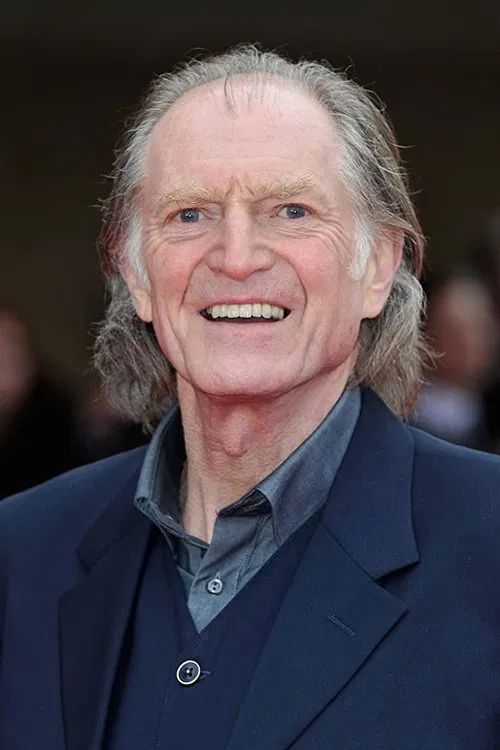
David Bradley has built a career around faces that seem to carry a whole history before he says a word. Whether playing a court fool, a miser, a gangster or a vampire hunter, the York-born British actor brings an alert, weathered presence to the screen—equally suited to dry comedy, period drama and outright menace. His path to acting was not immediate. After leaving school, Bradley completed a five-year apprenticeship with optical instruments maker Cooke, Troughton & Simms, remaining there until 1966. He then moved to London to train at the Royal Academy of Dramatic Art. Early work with the Royal Shakespeare Company and Laurence Olivier’s National Theatre Company established the stage foundations that have remained central to his career. In 1991, he received a Laurence Olivier Award for playing the Fool in King Lear at the Royal National Theatre. Television gave Bradley an especially broad gallery of characters. He appeared as Eddie Wells in Our Friends in the North, Sir Pitt Crawley in Vanity Fair and Rogue Riderhood in Our Mutual Friend. Later roles made particularly good use of his ability to shift between severity and eccentricity: Lord Walder Frey in Game of Thrones, Professor Abraham Setrakian in The Strain and Ray Johnson in After Life. His connection with Doctor Who has taken an unusual route. After playing Solomon in “Dinosaurs on a Spaceship,” Bradley portrayed original Doctor actor William Hartnell in the 2013 docudrama An Adventure in Space and Time. He subsequently took on the role of the First Doctor in Doctor Who itself, including “Twice Upon a Time” and “The Power of the Doctor.” Bradley’s film work includes Nicholas Nickleby, a small but memorable turn as an illegally armed farmer in Hot Fuzz, Another Year and The World’s End. In television drama, his performance in the first series of Broadchurch earned him the BAFTA Television Award for Best Supporting Actor. Across stage and screen, his work is marked by precision, authority and a knack for finding the oddness tucked inside even the sternest character.

7 Films
James Potter
Stoke-on-Trent
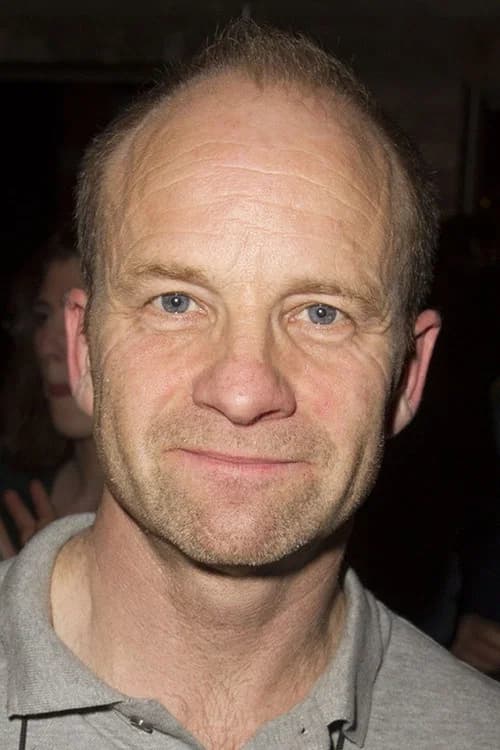
Adrian Rawlins has built a career across film, television and theatre, bringing a steady, grounded presence to projects ranging from literary drama to fantasy. Born in Stoke-on-Trent on 27 March 1958, he attended Stanfield Technical High School and Stoke VI Form College before studying art and acting at Manchester Metropolitan University. Rawlins has appeared in more than 30 films. His credits include Lars von Trier’s Breaking the Waves and the darkly comic drama Wilbur Wants to Kill Himself, two films that reflect the more challenging side of his screen work. He also has a pivotal place in the Harry Potter series as James Potter, Harry’s father. Although the role is tied to the story’s past, James remains central to Harry’s understanding of his family and himself. His television work includes two notable productions from 1989. Rawlins played Richard Collingsworth in the serial adaptation of The Ginger Tree, appearing opposite Samantha Bond. That Christmas, he starred in the television version of The Woman in Black, taking the lead in a ghost story whose tension depends on restraint, unease and atmosphere rather than spectacle. The stage has remained another important part of Rawlins’s work. In 2008, he appeared in Her Naked Skin at the National Theatre. His commitment to theatre later extended beyond acting: he began volunteering at East Riding Theatre in the East Riding of Yorkshire in 2014 and became its artistic director in 2017. Across those different settings, Rawlins’s career has been shaped less by showiness than by versatility. Whether appearing in a major fantasy series, an unsettling television ghost story or a theatre production, he is an actor comfortable serving the particular world of the story.

6 Films
Albus Dumbledore
London, UK
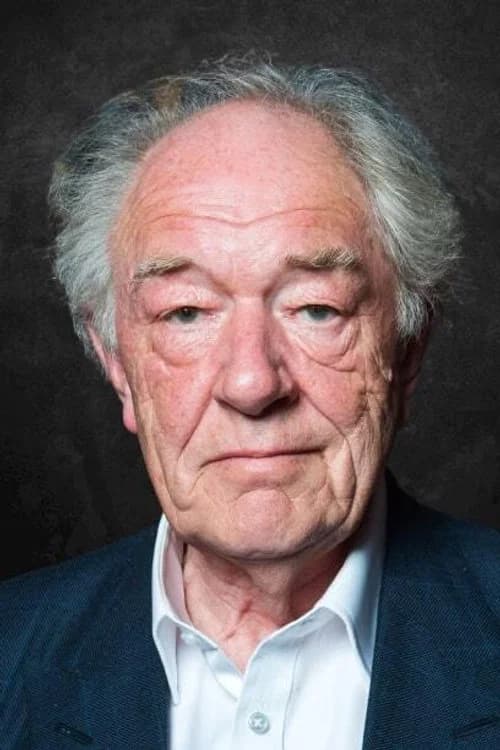
Michael Gambon brought a formidable voice, dry wit and a sense of barely contained force to the screen. Born in Dublin on 19 October 1940, he moved with his family to London when he was six. Before acting became his profession, he trained as a toolmaker and qualified as an engineering technician. His professional stage debut came in a 1962 Gate Theatre production of Othello. After catching Laurence Olivier’s attention, Gambon joined the new National Theatre Company, where he spent four years taking on small parts before moving into larger classical roles. He made his film debut in Olivier’s Othello in 1965, beginning a career that would stretch across theatre, film, television, radio and voice work. The range was considerable. Gambon won his first British Academy Television Award for his major lead role in Dennis Potter’s The Singing Detective, played Inspector Jules Maigret in a television series, and gave Albert Spica a brutal, menacing presence in The Cook, the Thief, His Wife & Her Lover. Later film roles included Gosford Park, Open Range, The King’s Speech and the Paddington films, in which he voiced Uncle Pastuzo. For a generation of moviegoers, however, Gambon is Albus Dumbledore. Taking over the role in Harry Potter and the Prisoner of Azkaban, he played the Hogwarts headmaster with warmth, mischief and an edge of volatility. He returned for Goblet of Fire, Order of the Phoenix, Half-Blood Prince and both parts of Deathly Hallows. Across those six films, his Dumbledore could be reassuring one moment and imposing the next, giving the character a physical energy all his own. Gambon stopped performing on stage after finding it increasingly difficult to memorise lines, though his screen work continued. His final film role came in Cordelia in 2019. He died in 2023, leaving behind a career shaped by commanding performances and an unusual ability to make authority feel both human and unpredictable.

5 Films
Remus Lupin
Blackpool
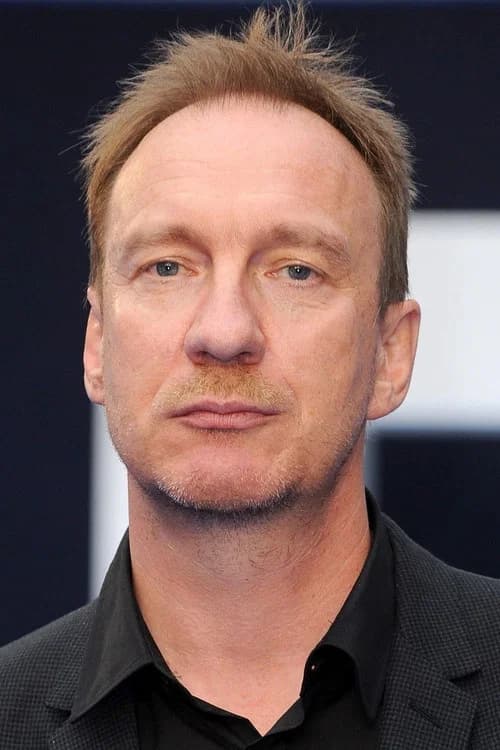
David Thewlis has built a career around characters who rarely feel settled or easily explained. Whether playing an embittered street philosopher, a compassionate professor or a quietly menacing antagonist, the British actor brings an alert, unpredictable quality to the screen. Born David Wheeler in Blackpool on 20 March 1963, Thewlis played guitar in rock and punk bands as a teenager before training at London’s Guildhall School of Music and Drama, graduating in 1984. He adopted his mother’s maiden name professionally after discovering that another actor was already registered as David Wheeler. Early work included theatre, appearances in Only Fools and Horses and The Singing Detective, and his film debut in Little Dorrit. His defining breakthrough came with Mike Leigh’s Naked in 1993. As Johnny, a homeless, fiercely intelligent and embittered street philosopher, Thewlis delivered a leading performance that earned Best Actor honours from the Cannes Film Festival, the National Society of Film Critics, the New York Film Critics Circle, the London Film Critics Circle and the Evening Standard. It established his particular gift for making difficult, verbose and abrasive characters compelling without sanding down their edges. The roles that followed covered unusually broad territory. His 1990s films included Black Beauty, Total Eclipse, Dragonheart, The Island of Dr. Moreau, Seven Years in Tibet and The Big Lebowski. A new generation came to know him as Professor Remus Lupin in Harry Potter and the Prisoner of Azkaban, a role he reprised in four further films in the series. Thewlis later played Ares in Wonder Woman and V. Varga in Fargo’s third season, with the latter performance earning Emmy, Critics’ Choice Television and Golden Globe nominations. His more recent work includes I’m Thinking of Ending Things, Landscapers, The Sandman, Enola Holmes 2, The Artful Dodger and Kaos. He has also worked as a voice actor, notably as the Shame Wizard in Big Mouth and Human Resources. Beyond acting, Thewlis directed the BAFTA-nominated short Hello, Hello, Hello, wrote and directed the feature Cheeky, and published the novels The Late Hector Kipling and Shooting Martha. It is a varied body of work, but the connecting thread is his appetite for characters with something restless moving beneath the surface.

5 Films
Peter Pettigrew
London, England, UK
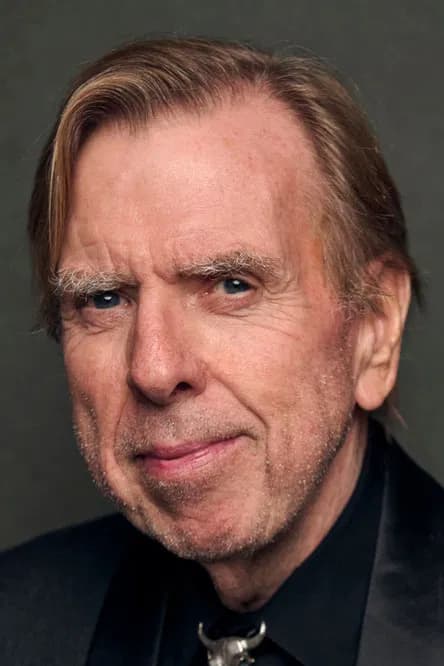
Timothy Spall is an English actor whose career moves comfortably between theatre, film and television, often finding the unease, humour or humanity in characters who might otherwise sit at the edge of the story. Born in Battersea, London, on 27 February 1957, he turned towards acting at 16 after playing the lion in a school production of The Wizard of Oz. He later trained with the National Youth Theatre and at RADA, graduating in 1978 with the Bancroft Gold Medal as the most promising actor in his year. Spall first established himself on stage, working with Birmingham Rep, the Royal Shakespeare Company and the National Theatre. His screen career subsequently ranged from his film debut in Quadrophenia and the television series Auf Wiedersehen, Pet to collaborations with Mike Leigh including Life Is Sweet, Secrets & Lies, Topsy-Turvy and All or Nothing. For a generation of moviegoers, Spall is closely associated with Peter Pettigrew, also known as Wormtail, in the Harry Potter series. He first appears in Harry Potter and the Prisoner of Azkaban, then returns for Goblet of Fire, Order of the Phoenix, Half-Blood Prince and Deathly Hallows – Part 1. Spall gives Pettigrew a suitably furtive presence: nervous, compromised and always seeming to shrink beneath the consequences of his choices. His wider film work includes The Last Samurai, Lemony Snicket’s A Series of Unfortunate Events, Enchanted, Sweeney Todd: The Demon Barber of Fleet Street, The King’s Speech, Denial and Spencer. His performance in Mike Leigh’s Mr. Turner earned him the Best Actor Award at the 2014 Cannes Film Festival, while his portrayal of Peter Farquhar in the BBC drama The Sixth Commandment brought him the 2024 BAFTA TV Award for Best Actor in a Leading Role. Appointed an OBE in 2000, Spall has built a career distinguished by its range and by his enduring commitment to character acting.

5 Films
Percy Weasley
Auckland
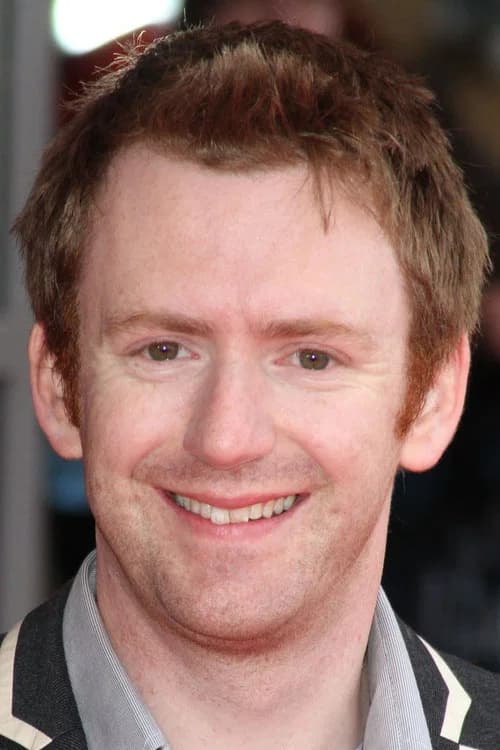
Chris Rankin is a British actor whose career has moved between film, television, theatre and behind-the-scenes production work. Born in Auckland on 8 November 1983, he lived in Rothesay Bay until the age of six, when he and his parents moved to Norfolk in the United Kingdom. Rankin began acting at eleven, appearing in school productions including Bugsy Malone and The Lion, the Witch and the Wardrobe. His professional career arrived in September 2000, when he was cast as Percy Weasley in the Harry Potter films. He later returned for Harry Potter and the Deathly Hallows – Part 1 and Part 2, following the character’s absence from Harry Potter and the Goblet of Fire and Harry Potter and the Half-Blood Prince, and a brief non-speaking appearance in Harry Potter and the Order of the Phoenix. Rather than following a single, tidy route through the industry, Rankin built a varied working life. Alongside acting, he worked in kitchens and a bar, and in 2002 was an usher at UCI Cinemas. He co-founded Painted Horse Theatre Company with Jim Rymer in 2004 and has performed in pantomimes as well as stage productions of Wuthering Heights, Hedda Gabler and Salomé. His television work includes the miniseries The Rotters’ Club and Channel 5’s Victoria Cross Heroes, in which he played Evelyn Wood. He also starred in and produced the 2009 YouTube video LifeHack, directed by TomSka, and appeared as Mycroft Holmes in the Hillywood Show’s Sherlock parody in 2016. Rankin completed his studies at the University of Lincoln in 2011. His understanding of screen work also extends beyond performance: he has worked as a production coordinator on Atlantis and Downton Abbey. It is a career shaped not only by a well-known early film role, but by sustained involvement across several sides of theatre and screen production.

4 Films
Lord Voldemort
Ipswich, UK
Ralph Fiennes has built a career around characters who hold something back—men whose restraint can suggest authority, vulnerability or real danger. Born in Ipswich on 22 December 1962, the English actor, director and producer trained at RADA after studying painting, then established himself onstage through work with the National Theatre and Royal Shakespeare Company. His early screen roles quickly showed his range. After playing T. E. Lawrence in the television film A Dangerous Man: Lawrence After Arabia, Fiennes made his film debut as Heathcliff in Emily Brontë’s Wuthering Heights. His performance as Amon Göth in Schindler’s List brought an Academy Award nomination and a BAFTA win for supporting actor. He earned a second Academy Award nomination for his leading role as László Almásy in The English Patient. For a generation of moviegoers, however, Fiennes is inseparable from Lord Voldemort. He first appeared as the character in Harry Potter and the Goblet of Fire, bringing a physical, predatory quality to the series’ returning villain. He reprised the role in Harry Potter and the Order of the Phoenix and both parts of Harry Potter and the Deathly Hallows. Across those four Please Rewind movies, his controlled delivery and serpentine movement give Voldemort a menace that does not depend on volume alone. That role is only one corner of a filmography spanning historical drama, thrillers, comedy, animation and literary adaptation. Fiennes has played Charles Dickens in The Invisible Woman, M in the James Bond series, the exuberant Monsieur Gustave in The Grand Budapest Hotel and chef Julian Slowik in The Menu. His voice work includes The Prince of Egypt, Wallace & Gromit: The Curse of the Were-Rabbit and The Lego Batman Movie. Fiennes has also directed films including Coriolanus, The Invisible Woman and The White Crow. Whether playing a monster, a romantic lead, a comic creation or a figure of institutional power, he remains an actor drawn to control—and to the revealing moments when that control begins to crack.

4 Films
Bellatrix Lestrange
London
Helena Bonham Carter has built a career out of resisting the neatest possible version of herself. Born in London in 1966, the British actor had no formal acting training and first entered the profession after using prize money from a national writing contest to join the Spotlight directory. Her early breakthrough as Lucy Honeychurch in A Room with a View helped establish her in period drama, while Lady Jane and The Wings of the Dove reinforced the association. Yet the roles that followed made clear how little interest she had in remaining an “English rose.” As Marla Singer in Fight Club, Bonham Carter brought a caustic, dishevelled energy far removed from her early costume-drama image. She has since moved freely among film, television, stage and voice work, often finding the mischief, volatility or emotional damage in characters who could easily become caricatures. Mrs. Lovett in Sweeney Todd: The Demon Barber of Fleet Street, the Red Queen in Alice in Wonderland, Miss Havisham in Great Expectations and Madame Thénardier in Les Misérables all gave her different ways to play with heightened worlds. For Please Rewind audiences, she is especially familiar as Bellatrix Lestrange, the fanatical witch she played across the final four Harry Potter films: Order of the Phoenix, Half-Blood Prince and both parts of Deathly Hallows. Bonham Carter makes Bellatrix theatrical without making her harmless; every delighted laugh and sudden movement adds to the character’s menace. Her range extends well beyond villains and eccentrics. She played Queen Elizabeth in The King’s Speech, winning a BAFTA for the performance, and later portrayed Princess Margaret in The Crown. Other roles include Enid Blyton in Enid, Elizabeth Taylor in Burton & Taylor, the Fairy Godmother in Cinderella and Eudoria Holmes in Enola Holmes. Across those parts, Bonham Carter’s appeal lies in her ability to make formality feel strange, chaos feel precise and even the broadest character seem fully inhabited.

4 Films
Sirius Black
London
Gary Oldman has built a career around transformation, intensity and a willingness to disappear into characters who rarely occupy comfortable moral ground. Born in London on 21 March 1958, he trained at Rose Bruford College and began his professional career in the theatre, working with companies including the Citizens Theatre, the Royal Court and the Royal Shakespeare Company. His early stage success led to the role of Sid Vicious in Sid and Nancy, followed by a BAFTA-nominated performance as playwright Joe Orton in Prick Up Your Ears. Those films established the range that would define Oldman’s screen work. He could play Lee Harvey Oswald in JFK, Count Dracula in Bram Stoker’s Dracula or Beethoven in Immortal Beloved without making any of them feel like variations on the same performance. Hollywood also found memorable uses for his volatility, casting him as Drexl Spivey in True Romance, Norman Stansfield in Léon: The Professional and Jean-Baptiste Emanuel Zorg in The Fifth Element. Yet Oldman’s work has never been limited to explosive villains. As Sirius Black in the Harry Potter series, he brought a bruised warmth to Harry’s godfather. Please Rewind’s films follow that performance from Harry Potter and the Prisoner of Azkaban through Goblet of Fire and Order of the Phoenix to Sirius’s appearance in Deathly Hallows – Part 2. He also played James Gordon across Christopher Nolan’s Batman trilogy, giving the films a grounded, steadfast presence amid their theatrical rogues. His quieter control came to the foreground as George Smiley in Tinker Tailor Soldier Spy, earning his first Academy Award nomination and a BAFTA nomination. He later won the Academy Award, BAFTA, Golden Globe, Critics’ Choice Movie Award and Screen Actors Guild Award for playing Winston Churchill in Darkest Hour. More recently, he has taken leading television work as intelligence manager Jackson Lamb in Slow Horses and appeared as Harry S. Truman in Oppenheimer. Across stage, film and television, Oldman’s career is less a straight line than a collection of sharply distinct people, each given his full attention.

3 Films
Sybill Trelawney
Paddington
Emma Thompson has built a career around the pleasures of language: its wit, evasions, cruelties and capacity to reveal what a character would rather keep hidden. Born in Paddington on 15 April 1959, she grew up in a creative household with her actor parents, Phyllida Law and Eric Thompson, who also wrote the children’s television series The Magic Roundabout. Her early interest in literature led her to study English at Newnham College, Cambridge, where performance increasingly took hold. She joined Cambridge Footlights alongside Stephen Fry and Hugh Laurie, served as its vice president and co-directed the troupe’s first all-female revue. That comedy background remains an important part of her screen presence: Thompson can make formality funny, turn irritation into a full comic rhythm or let a dry remark expose the tension in a room. Her film career has repeatedly made use of that sharpness while giving her room for emotional restraint. In Howards End, she played an idealistic, observant woman navigating class and convention, winning the Academy Award for Best Actress. The Remains of the Day drew on her ability to suggest feeling beneath carefully controlled behaviour, while In the Name of the Father brought her an Academy Award nomination for Best Supporting Actress in the same year. Sense and Sensibility showed the full reach of her work. Thompson wrote the adapted screenplay and played Elinor Dashwood, winning the Academy Award for Best Adapted Screenplay and becoming the only person to have won Oscars for both acting and screenwriting. She later combined writing and performance again with Nanny McPhee and its sequel. Her range stretches from Professor Sybill Trelawney in the Harry Potter films and Mrs. Potts in Beauty and the Beast to the formidable television host of Late Night, the Baroness in Cruella and Miss Trunchbull in Matilda the Musical. Good Luck to You, Leo Grande offered a more intimate showcase. Across comedy, period drama, family films and voice work, Thompson’s strength is often the same: she understands how intelligence can protect a character—and how emotion eventually finds its way through.

3 Films
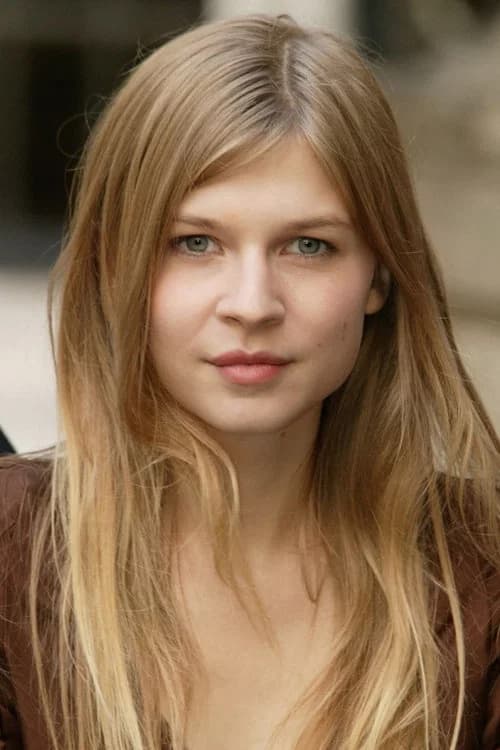
Fleur Delacour
L'Haÿ-les-Roses
Clémence Poésy has built a career that moves easily between French and English-language projects, period drama and contemporary thrillers, film, television and the stage. Born Clémence Guichard on 30 October 1982 in L'Haÿ-les-Roses, outside Paris, she later adopted her mother’s maiden name professionally. Theatre was part of her upbringing: her father, Étienne Guichard, was a theatre director, actor and playwright, while family trips to cinemas and theatres encouraged an early interest in performance. Poésy studied drama at the Conservatoire National Supérieur d'Art Dramatique, the Atelier International de Blanche Salant et Paul Weaver and Paris Nanterre University. Her first English-speaking role came as Mary, Queen of Scots in the 2004 BBC miniseries Gunpowder, Treason & Plot, a performance that won her the 2005 Golden FIPA for actress in a TV Series and Serial. A wider international audience met her as Fleur Delacour in Harry Potter and the Goblet of Fire. She returned to the role for the final two Harry Potter films, but her work beyond the franchise shows the breadth of her choices. She appeared in Martin McDonagh’s black comedy crime thriller In Bruges, Danny Boyle’s 127 Hours and Christopher Nolan’s Tenet, while taking leading or substantial roles in Birdsong, Mr. Morgan’s Last Love, The Ones Below and Final Portrait. Television has given Poésy room to sustain characters over longer stories. She led the French-British crime drama The Tunnel as Elise Wassermann across three seasons, and later appeared in The Essex Serpent, The Walking Dead: Daryl Dixon and Sambre – Anatomy of a Crime. Her stage work includes Roxane in Cyrano de Bergerac on Broadway, Yelena in Uncle Vanya in Bath and Je Danse Toujours in Paris, directed by her father. That range is central to Poésy’s appeal: she can belong to a large-scale international production without losing the precision associated with intimate drama. Alongside acting, she has also worked extensively as a model and is associated professionally with film directing.

3 Films
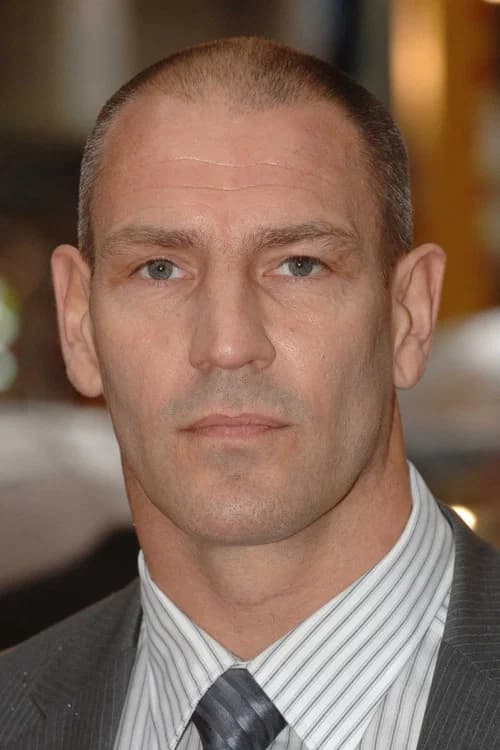
Fenrir Greyback
Marylebone
Dave Legeno brought the physical authority of a seasoned fighter to his screen work. Born David Steven Murray in Marylebone, London, on 12 October 1963, he trained across boxing, wrestling, judo, Brazilian jiu-jitsu and Muay Thai. He also competed as a professional wrestler under the name Lone Wolf for the British Wrestling Federation from 1991 to 1992. That background became a defining part of his presence as an actor: imposing, controlled and capable of making a threat feel immediate without unnecessary display. Legeno’s first major film role came in Guy Ritchie’s Snatch, a natural fit for an actor who could hold his ground amid the film’s volatile collection of criminals and fighters. Further roles followed in Batman Begins, Elizabeth: The Golden Age, Centurion and Last Knights, placing him in stories that made good use of his size, severity and combat experience. His most widely recognised role was Fenrir Greyback, the werewolf he played across Harry Potter and the Half-Blood Prince and both parts of Harry Potter and the Deathly Hallows. Legeno gave Greyback a raw, predatory quality, creating a disturbing figure within an already darkening stretch of the series. It was a role built as much through movement and physical presence as dialogue, playing directly to his strengths. His work was not limited to film. Legeno was also a television actor, appeared in the music video for Steps’ single Stomp, and supplied both voice and motion capture for Eddie O’Connor, a protagonist in the video game The Getaway: Black Monday. Across those different formats, he remained a distinctive performer whose fighting experience informed rather than overshadowed his acting. Legeno died in 2014, leaving a compact screen career marked by formidable characters and an unusually authentic sense of physical danger.

2 Films
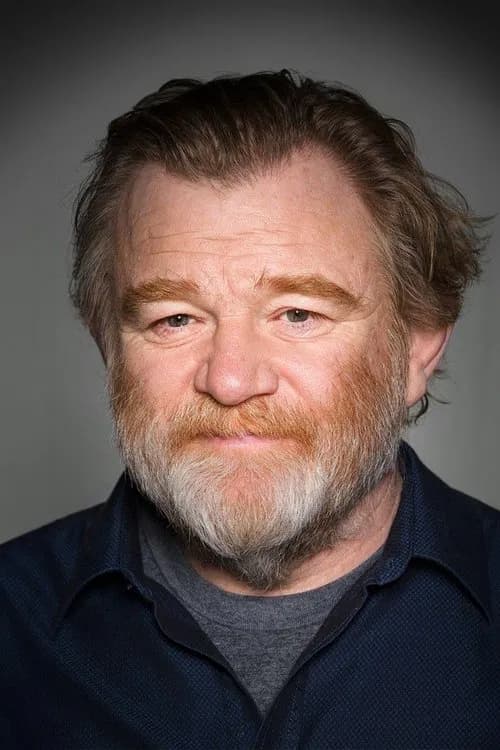
Alastor Moody
Dublin
Brendan Gleeson brings the grounding force of a character actor to roles that can be intimidating, wounded, funny or quietly tender—sometimes within the same film. Born in Dublin on March 29, 1955, he studied English and Irish at University College Dublin before working for several years as a secondary school teacher. During that time, he was also acting in semi-professional and professional productions around Dublin. In 1991, he left teaching to commit to acting full-time. His stage work included productions with Dublin’s Passion Machine Theatre company, and his creative life was never limited to performing. Gleeson wrote three plays for the company, directing two of them, and later worked across film and television as well as theatre. He first came to prominence in Ireland playing Michael Collins in the RTÉ television film The Treaty, a performance that won him a Jacob’s Award in 1992. Gleeson’s film career has ranged widely, taking in Braveheart, 28 Days Later, Gangs of New York, Cold Mountain, Troy and the Harry Potter series, in which he played Alastor “Mad-Eye” Moody. His performance as gangster Martin Cahill in John Boorman’s The General drew critical acclaim, while his portrayal of Winston Churchill in Into the Storm earned him an Emmy Award. His collaborations with Martin McDonagh have provided some of his richest screen roles. Gleeson appeared in the Academy Award-winning short Six Shooter before playing the experienced, mentor-like Ken opposite Colin Farrell in In Bruges. He reunited with McDonagh and Farrell for The Banshees of Inisherin, playing Colm Doherty and receiving Academy Award, Golden Globe and Critics’ Choice nominations for his supporting performance. Gleeson is also a fiddle and mandolin player with an interest in Irish folklore. He has played fiddle on screen in several films, including Michael Collins, Cold Mountain and The Banshees of Inisherin—a musical thread that fits naturally into a career shaped by performance, storytelling and a strong connection to Irish culture.

2 Films
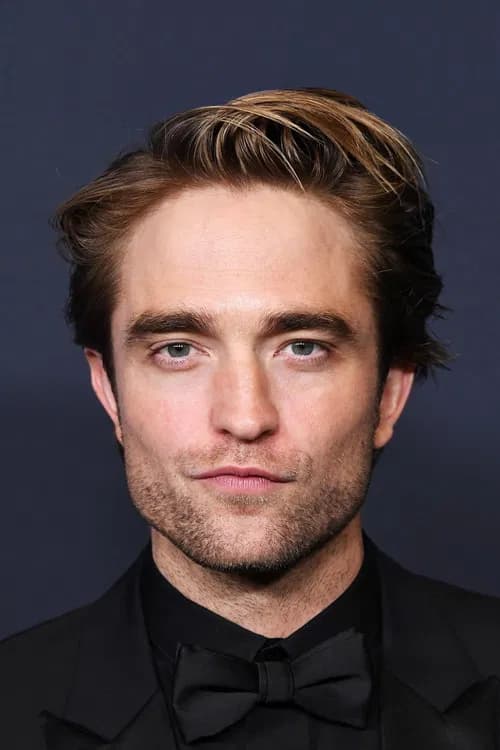
Cedric Diggory
London, England, UK
Robert Pattinson has built a career around making familiar star qualities feel slightly strange. He can carry the poise of a leading man, but there is often nervous energy, menace or dry humour working underneath. That tension has allowed him to move between major studio productions and much less comfortable independent films without seeming fully at home in either world—and that is part of his appeal. Born in London on 13 May 1986, Pattinson began performing through amateur theatre before pursuing professional acting. His early screen work included Cedric Diggory in Harry Potter and the Goblet of Fire, the assured Hogwarts champion whose fate gives the film one of its defining emotional turns. He returned briefly as Cedric in Harry Potter and the Order of the Phoenix. Both films are represented on Please Rewind. Worldwide recognition followed through his role as Edward Cullen in the Twilight films. Rather than remain within that romantic fantasy mould, Pattinson increasingly sought out filmmakers and characters that tested his screen image. He worked twice with David Cronenberg, first on Cosmopolis and later Maps to the Stars, before appearing in films including The Rover, The Lost City of Z and Claire Denis’s High Life. Good Time gave him the role of Connie Nikas, a bank robber tearing through the Queens underworld, while The Lighthouse placed him opposite Willem Dafoe in Robert Eggers’s claustrophobic black-and-white psychological horror film. Both performances earned Pattinson Independent Spirit Award nominations for Best Male Lead. His later return to large-scale filmmaking did not smooth away those rough edges. He played Neil in Christopher Nolan’s Tenet and took on Bruce Wayne and Batman for Matt Reeves’s The Batman, bringing the same inward, unsettled quality that runs through much of his work. Whether playing a Hogwarts champion, a desperate criminal or a masked superhero, Pattinson is most compelling when certainty begins to crack.
The collection
Rewind the movies that built the Harry Potter franchise.

2001 // VHS
An eleven-year-old outsider, a letter that changes everything, and the first-year magic that introduced a generation to Hogwarts.

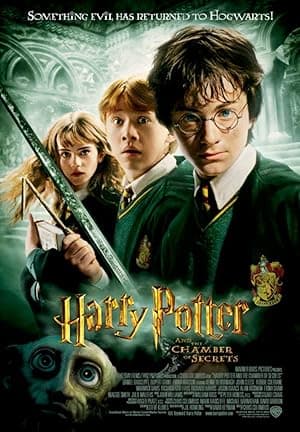
2002 // VHS
A school year of secrets, snakes and the peculiar bravery of three friends.

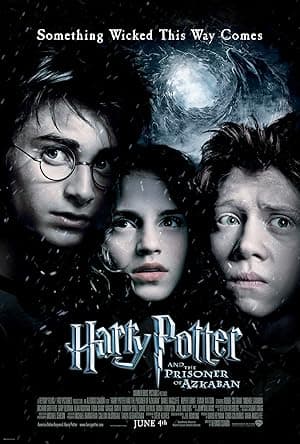
2004 // VHS
A darker, wiser Hogwarts year: friendship, fear and a Time‑Turner that still makes the stomach flip.

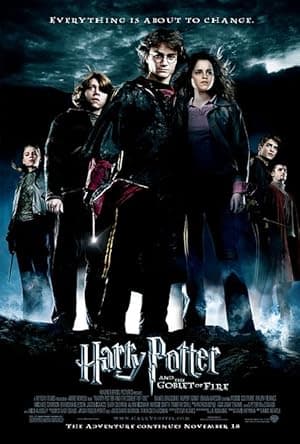
2005 // VHS
Triwizard peril, teenage rows and the moment Hogwarts feels a lot less safe.

2007 // VHS
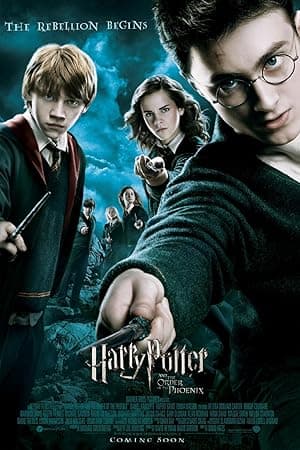
Teenage fury, a sticky-fingered bureaucrat and a boy everyone keeps refusing to believe.

2009 // VHS
Darkness closes in on Hogwarts as Harry discovers a secret buried deep in Voldemort’s past.

2010 // VHS
The school years are over. Harry, Ron and Hermione must face Voldemort’s world without Hogwarts to protect them.

2011 // VHS
The Horcruxes are running out. Hogwarts is under siege. Harry Potter must finally face Voldemort.