Rental copy● Available

Staff pick
Fantasy / Comedy Horror / Monster / Action / Adventure / Comedy / Science Fiction / Buddy / Ghost
1984 // VHS
Ghostbusters
SPStereoTracking: Auto
Rewind Ghostbusters on Please Rewind.
Rewind this one →Be kind
Please Rewind // Franchise Archive
Who you gonna call? Explore the original Ghostbusters movies, cast, characters and supernatural chaos behind one of the most beloved comedy franchises of the 1980s.
Cast Directory
The actors behind the Ghostbusters movies — from the faces that defined the series to the supporting players who helped bring the world to life.
2 Films
Nashville
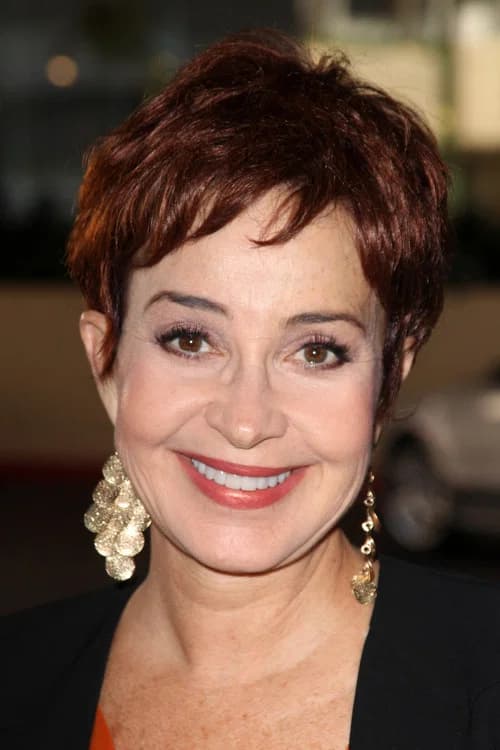
Annie Potts has built a wide-ranging career across film, television, stage and voice acting, bringing quick comic instincts and a grounded presence to roles that could easily have been played much louder. Born in Nashville on October 28, 1952, she grew up in Franklin, Kentucky, and earned a bachelor’s degree in theater from Stephens College in Missouri. Potts made her big-screen debut opposite Mark Hamill in the 1978 comedy Corvette Summer, earning a Golden Globe nomination for her performance. She later won a Genie Award for Heartaches, but the role that became one of her most enduring arrived in 1984: Janine Melnitz, the dry, unflappable receptionist in Ghostbusters. Potts devised Janine’s New York accent from that of a friend and returned to the character in Ghostbusters II, Ghostbusters: Afterlife and Ghostbusters: Frozen Empire, as well as Ghostbusters: The Video Game. Her 1980s film work also included Pretty in Pink, Jumpin’ Jack Flash and Who’s Harry Crumb? On television, she spent seven seasons playing pragmatic interior designer Mary Jo Shively on Designing Women. Her work as Dana Palladino in Love & War brought a Primetime Emmy nomination, while Any Day Now earned her two Screen Actors Guild Award nominations. Later roles included Sharon Elkin on The Fosters and Connie “Meemaw” Tucker on Young Sheldon, a part she continued in Georgie & Mandy’s First Marriage. Potts also gave voice to Bo Peep in multiple Toy Story films and Disney video games. Away from the screen, she made her Broadway debut in God of Carnage in 2009 and later joined the Broadway revival of Pippin as Berthe. Whether working in comedy, drama, animation or onstage, Potts has shown a particular knack for making a character feel fully lived-in without losing the spark that makes an audience lean closer.
2 Films
Wilmette
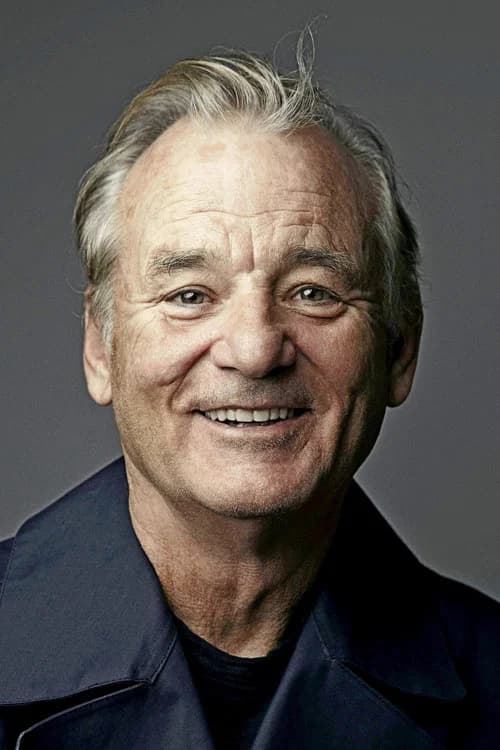
Bill Murray has built a career around the fine art of appearing amused, disappointed and quietly bewildered at the same time. Born on September 21, 1950, he attended school in Wilmette and worked as a golf caddy during his teens. He also sang in a rock band and took part in high school and community theatre before finding his way into improvisational comedy. Murray began at Chicago’s Second City, studying under Del Close, and later joined NBC’s Saturday Night Live for its second season. His first starring film role came in Meatballs, followed by a run of comedies that helped define his early screen persona: Caddyshack, Stripes, Ghostbusters and Scrooged. The style was unmistakable—dry, resistant to sentiment and capable of turning a pause or sideways glance into the joke. Groundhog Day gave that comic approach greater emotional weight. As Phil Connors, Murray could be cynical, frantic, cruel and unexpectedly tender without making the character’s transformation feel tidy. That balance became increasingly important to his later work. Rushmore began his long-running collaboration with Wes Anderson, whose carefully composed worlds made particularly good use of Murray’s melancholy deadpan. Their subsequent films together include The Royal Tenenbaums, The Life Aquatic with Steve Zissou, Moonrise Kingdom, The Grand Budapest Hotel, Isle of Dogs and The French Dispatch. Lost in Translation placed Murray’s restraint at the centre of a quieter drama. Playing fading movie star Bob Harris opposite Scarlett Johansson, he earned the BAFTA Award for Best Actor, a Golden Globe and an Independent Spirit Award, as well as an Academy Award nomination. Broken Flowers, St. Vincent and On the Rocks continued to draw on his ability to suggest loneliness beneath comic detachment. Murray has also worked as a screenwriter, producer, director and voice actor. Whether playing Peter Venkman, voicing Baloo or occupying the stiller corners of an ensemble, he remains a performer who rarely needs to push for attention. The joke—and often the sadness—is already there in the way he watches the room.
2 Films
Ottawa
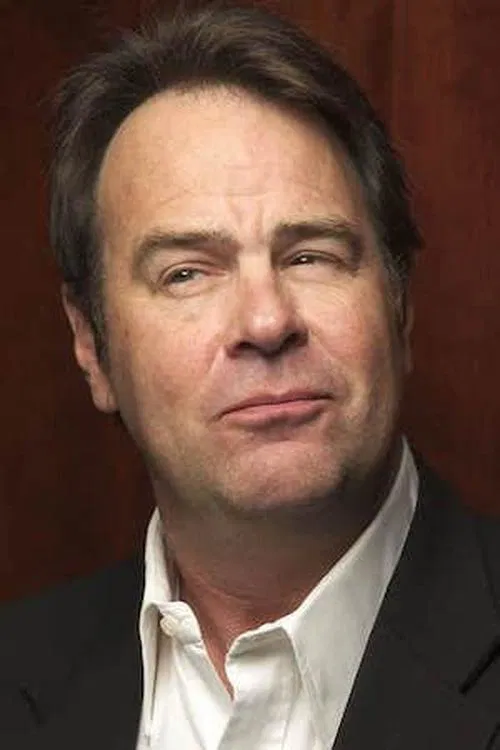
Dan Aykroyd has always been a difficult performer to reduce to one type. The Canadian-American actor, comedian, writer and musician can play manic or restrained, straight-laced or deeply strange—sometimes within the same character. Born in Ottawa on July 1, 1952, he developed an early interest in blues music and worked in Canadian nightclubs before joining the Second City comedy troupe in 1973. His breakthrough came with the original cast of Saturday Night Live, where he appeared from 1975 to 1979. Aykroyd brought impersonations, tightly wound authority figures and wonderfully peculiar creations to the show, including Beldar of the Coneheads, toy manufacturer Irwin Mainway and the feverish salesman of the “Super Bass-O-Matic ’76” sketch. He also won an Emmy for writing on SNL in 1977. Music was never merely a side project. With John Belushi, Aykroyd turned the Blues Brothers from an SNL act into a successful recording and live-performance venture. He played Elwood Blues and co-wrote the 1980 film The Blues Brothers, helping establish the blend of comedy, character work and genuine musical enthusiasm that remains central to his screen identity. That same mix of conviction and eccentricity powered much of his film career. He was the ruined commodities broker Louis Winthorpe III opposite Eddie Murphy in Trading Places, then co-wrote and starred in Ghostbusters as Dr. Ray Stantz. Inspired by Aykroyd’s fascination with parapsychology, Ghostbusters gave him an ideal role: earnest, excitable and completely committed to the supernatural premise. He later returned as Stantz in Ghostbusters II, Ghostbusters: Afterlife and Ghostbusters: Frozen Empire. Aykroyd has also shown considerable range away from broad comedy. His performance in Driving Miss Daisy earned an Academy Award nomination for Best Supporting Actor, while films including My Girl, Sneakers, Tommy Boy and Grosse Pointe Blank placed his distinctive presence in very different ensembles. Across acting, writing, producing, directing, voice work and music, his career has been held together by a recognizable quality: he makes even the most unusual material feel like serious business.
2 Films
Brooklyn
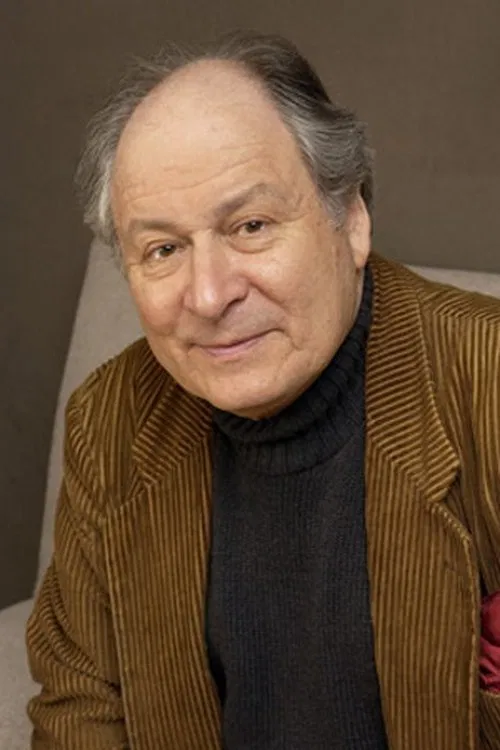
David Margulies built the kind of career that could move comfortably between a Broadway stage, a New York movie set and a long-running television drama. Born in Brooklyn on February 19, 1937, he studied at the City College of New York before making his stage debut in the off-Broadway production Golden 6 in 1958. That same year, he joined the American Shakespeare Festival as an apprentice, a step that led to an Actors' Equity contract for the 1960 theater season. His first Broadway appearance came in the 1973 revival of The Iceman Cometh. That grounding in theatre carried into an extensive screen career. Margulies appeared in films including The Front, All That Jazz, Dressed to Kill, Times Square and Daniel, becoming part of a particularly rich stretch of American filmmaking in the late 1970s and early 1980s. He later appeared in Ghostbusters and Ghostbusters II, as well as Brighton Beach Memoirs, 9½ Weeks, Ishtar, Running on Empty and Ace Ventura: Pet Detective. His later film work included Fading Gigolo in 2013. Television gave Margulies room to turn up across a wide range of series. His credits included Kojak, Tales from the Darkside, Spenser: For Hire, Chicago Hope, NYPD Blue, Northern Exposure and Touched by an Angel. He also appeared in four episodes of Law & Order. One of his most sustained television roles came in The Sopranos, where he played Neil Mink, Tony Soprano's lawyer, across eight episodes. Margulies' filmography reflects a working actor at home in different formats and tones. Whether appearing in a major studio comedy, a New York drama or a television crime series, he brought decades of stage and screen experience to the part. He died in 2016.
2 Films
Benton Harbor
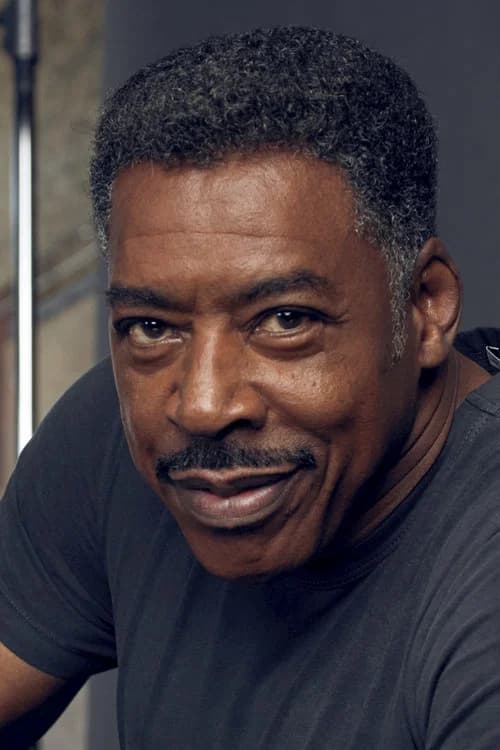
Ernie Hudson has built the kind of career in which dependable authority is only the starting point. Across film, television, theatre and voice work, he has moved comfortably between grounded drama, broad comedy and heightened genre storytelling, often bringing a direct, steady presence to the screen. Born on December 17, 1945, in Benton Harbor, Michigan, Hudson was raised by his maternal grandmother after his mother died when he was two months old. He joined the U.S. Marine Corps after high school but received a medical discharge three months later because of asthma. After moving to Detroit, he became resident playwright at Concept East, a Black theatre company, and later graduated from Wayne State University in 1973. He also established the Actors' Ensemble Theatre, where young Black writers could direct and perform their own work. Further study at the University of Minnesota and Yale School of Drama gave way to stage and film opportunities, including The Great White Hope and Leadbelly. Early screen work included Penitentiary II and guest appearances on The Dukes of Hazzard, The A-Team and Fantasy Island. His defining breakthrough came as Winston Zeddemore in Ghostbusters, a role he reprised in Ghostbusters II and, decades later, Ghostbusters: Afterlife. He also appeared as Bill Jenkins in the 2016 Ghostbusters reboot. Hudson's wider film career shows how much ground he can cover. He played Sergeant Albrecht in The Crow, Munro in Congo, Reggie in The Basketball Diaries, Solomon in The Hand That Rocks the Cradle and FBI official Harry McDonald in Miss Congeniality. On television, his substantial roles have included Warden Leo Glynn in Oz, Jacob in Grace and Frankie, a recurring part in Law & Order and a co-leading role in the Quantum Leap reboot. He has also extended that range into voice acting with Star Wars: The Bad Batch. Ghostbusters may remain the role most closely attached to Hudson, but his career has never depended on a single jumpsuit. His body of work reflects an actor equally at home anchoring an ensemble, supplying institutional authority or giving a supporting character real weight.
2 Films
Manhattan, New York City, USA
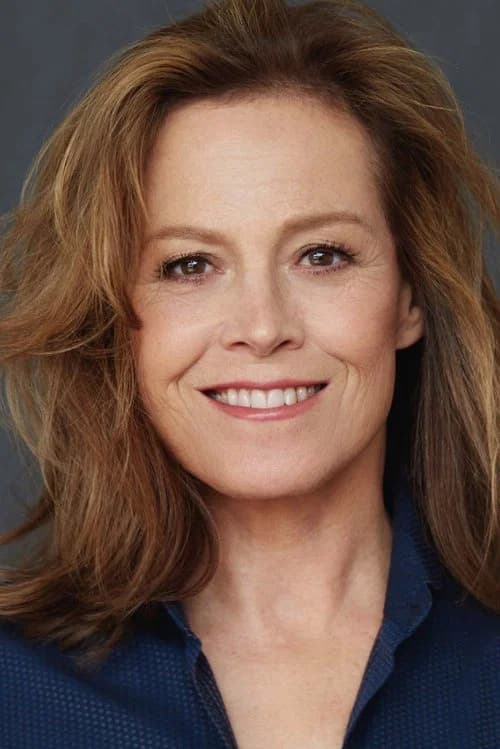
Sigourney Weaver’s screen career has always been difficult to box in. She can anchor science fiction without losing the human scale, sharpen a comedy with cool precision, or bring unease and complexity to a drama. That range has carried her from Ellen Ripley in Alien and Aliens to Dana Barrett in Ghostbusters, Dian Fossey in Gorillas in the Mist and the calculating Katharine Parker in Working Girl. Born in Manhattan in 1949, Weaver developed an interest in performing at school before studying English at Stanford University, where she became heavily involved in theatre. She later earned an MFA from the Yale School of Drama in 1974. Her early professional work included Broadway’s The Constant Wife, television appearances and a small part in Annie Hall, but Alien provided the major screen breakthrough. Ripley became the role most closely associated with Weaver, and Aliens brought her first Academy Award nomination for Best Actress. Her work soon made clear that Ripley was not a limit. Weaver played British Embassy officer Jill Bryant in The Year of Living Dangerously, returned to comedy for Ghostbusters and took on two markedly different roles in 1988. Gorillas in the Mist and Working Girl earned her Golden Globes for lead and supporting actress respectively, as well as simultaneous Academy Award nominations. Later films including Death and the Maiden, Copycat, The Ice Storm and Galaxy Quest gave her room to move between psychological intensity, dry comedy and genre playfulness. Weaver has continued to work across film, television, voice acting and the stage. Her credits include the narration of the American version of Planet Earth, the voice of the ship’s computer in WALL•E, the political miniseries Political Animals and a return to James Cameron’s science-fiction worlds in Avatar and Avatar: The Way of Water. Onstage, she appeared in Christopher Durang’s Vanya and Sonia and Masha and Spike and made her West End debut as Prospero in The Tempest. It is a career built not around one mode, but around the ability to make authority, wit and vulnerability occupy the same frame.
1 Film
Providence
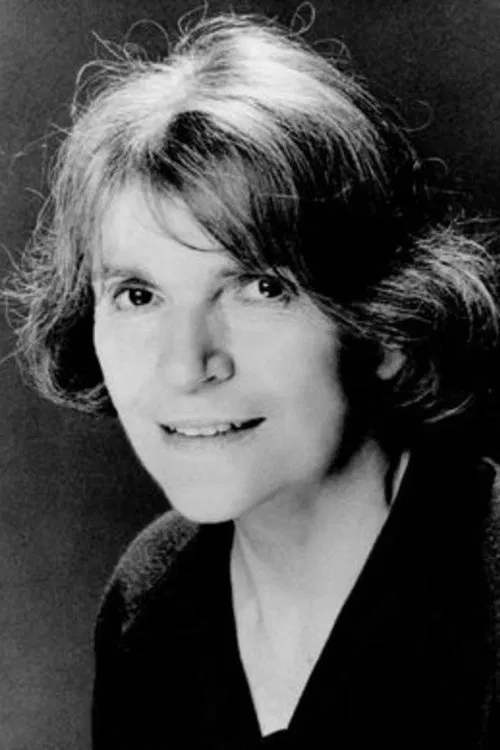
Alice Drummond was the kind of actor who could give a relatively small role its own pulse. Working across stage, television and film, she built a career from sharply observed character parts, often bringing an appealing mix of nervous energy, warmth and comic precision to the screen. Born Alice Elizabeth Ruyter in Rhode Island on May 21, 1928, Drummond graduated from Pembroke College, then the women’s college of Brown University, in 1950. Her television work included playing Nurse Jackson on Dark Shadows in 1967. She later became a regular on the CBS soap opera Where the Heart Is, originating the role of Loretta Jardin and remaining with the series until it ended in 1973. She also had a short-term role on As the World Turns. Drummond continued to appear in guest roles on series including Kate & Allie, Law & Order, Boston Legal and Yes, Dear. Her film work showed how effectively she could establish a character in limited screen time. In Ghostbusters, she played the librarian frightened by a poltergeist at the beginning of the film, setting its supernatural machinery in motion with a memorable burst of terror. In Awakenings, she took a markedly different part as Lucy, a catatonic patient. Her other film appearances included Ace Ventura: Pet Detective, To Wong Foo, Thanks for Everything, Julie Newmar, Pieces of April and Furry Vengeance, in which she played a senior citizen. Across those varied projects, Drummond remained a dependable presence: expressive, distinctive and attentive to the particular rhythm of each role. She died in 2016, leaving behind work that continues to reward viewers who notice the character actors giving a movie’s world its texture.
1 Film
Washington, D.C.
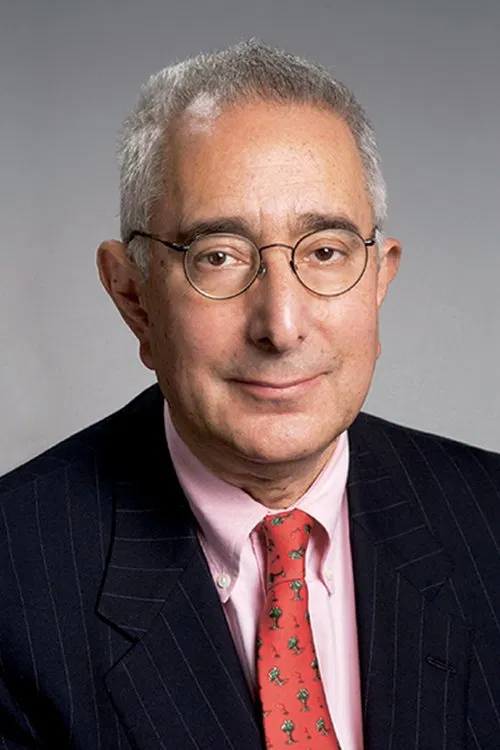
Ben Stein built a screen career around one of comedy’s most useful contradictions: a delivery so dry and controlled that it could make even the dullest subject funny. Born in Washington, D.C., on November 25, 1944, Stein arrived in movies and television with an unusually broad background spanning economics, law, teaching, political speechwriting and journalism. That experience gave his best-known role its extra edge. As the monotonous economics teacher in 1986’s Ferris Bueller’s Day Off, Stein lectures his indifferent class on the Smoot-Hawley Tariff and supply-side economics. The scene turned his measured, unemotional manner into a comic signature. He later brought a similar tone to The Wonder Years as recurring science teacher Mr. Cantwell, whose narration of classroom films made boredom part of the joke. Stein’s screen work has ranged comfortably between live action, animation and appearances as himself. His film credits include Planes, Trains and Automobiles, Ghostbusters II, The Mask, Richie Rich, Casper and Dave. On television, he appeared in series including Seinfeld, Full House, MacGyver and Married... with Children. His unmistakable voice also found a natural home in animated projects such as The Fairly OddParents, Animaniacs, Duckman, Rugrats and The Emperor’s New School. He became a game-show host with Win Ben Stein’s Money, which ran from 1997 to 2003, and later hosted Turn Ben Stein On and America’s Most Smartest Model. Away from performing, Stein has worked as a lawyer, teacher, screenwriter, non-fiction writer and political and economic commentator. He graduated from Columbia University with a degree in economics and earned a law degree from Yale Law School before working in legal, academic and political roles. Across those different careers, Stein’s screen identity has remained remarkably specific: formal, cerebral and almost aggressively calm. Filmmakers and television producers repeatedly found comedy in that restraint, making his voice and manner as important as the lines themselves.
1 Film
Chicago
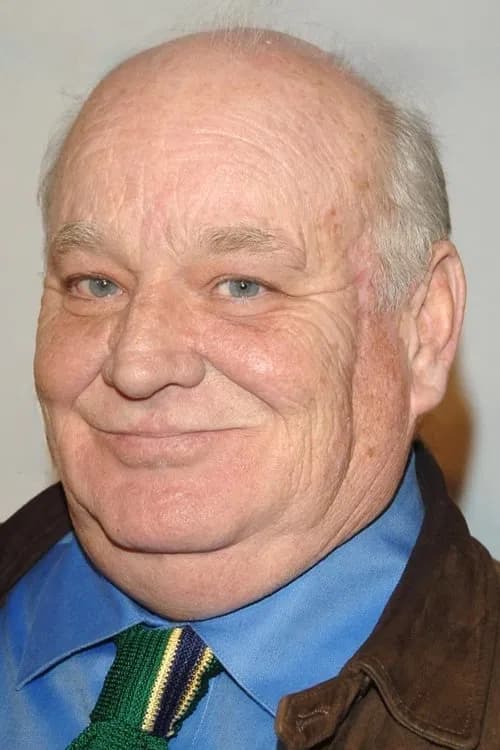
Brian Doyle-Murray has built a career out of making authority figures, eccentrics and professional irritants far more entertaining than they have any right to be. Born in Chicago on October 31, 1945, he developed his comic instincts with The Second City in the early 1970s before joining The National Lampoon Radio Hour and its stage show. Those years placed him alongside performers including John Belushi, Gilda Radner, Harold Ramis and his younger brother, Bill Murray. His long association with Saturday Night Live showed both sides of his talent. Doyle-Murray worked as a writer under producers Lorne Michaels, Jean Doumanian and Dick Ebersol, while also serving during separate stretches as a featured performer. During the show’s seventh season, he anchored the news segment then known as SNL Newsbreak. His writing earned three Emmy nominations, in 1978, 1979 and 1980. Doyle-Murray made his film debut in Caddyshack and later appeared with Bill Murray in The Razor’s Edge, Scrooged, Ghostbusters II and Groundhog Day. Elsewhere, he became a reliably sharp presence in comedies including National Lampoon’s Vacation, where he played a camp clerk, and National Lampoon’s Christmas Vacation, where he was Clark Griswold’s tightly wound boss Frank Shirley. His film work also includes Sixteen Candles, Wayne’s World, JFK, Multiplicity, As Good as It Gets, Bedazzled and 17 Again. Television gave him room to settle into recurring characters, from studio head George Savitsky on Yes, Dear to car dealership owner Mr. Ehlert on The Middle. He also co-starred in Get a Life, Bakersfield P.D. and Sullivan & Son, and appeared in Seinfeld, Wings and Psych. His distinctive delivery has proved just as useful in animation. Doyle-Murray voices the Flying Dutchman on SpongeBob SquarePants and played Captain K’nuckles in The Marvelous Misadventures of Flapjack, extending a career shaped by dry comic timing, recognizable character work and an enduring talent for playing men who expect the room to follow their rules.
1 Film
Los Angeles
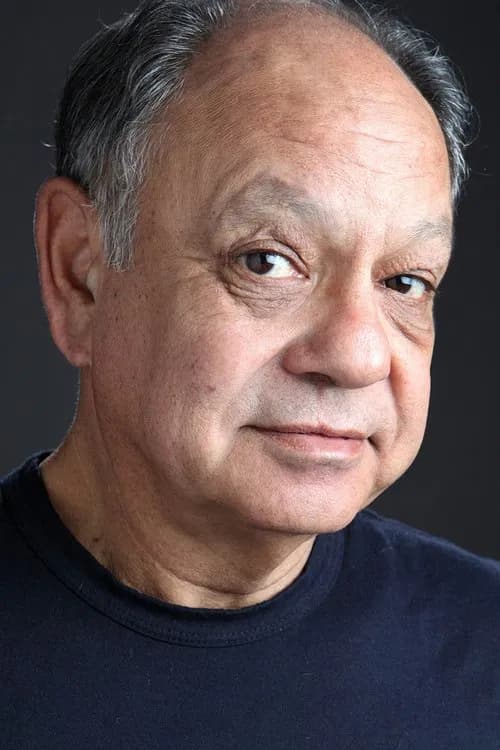
Cheech Marin has built a screen career that moves easily between countercultural comedy, character acting and animation. Born in South Los Angeles on July 13, 1946, Marin identifies as Chicano and has often incorporated Spanish into his work. Even his familiar nickname carries that history: “Cheech” comes from “chicharrón,” a name given to him by an uncle when he was a baby. After graduating from California State University, Northridge with an English degree in 1968, Marin moved to Canada, where he eventually met Tommy Chong. As Cheech & Chong, the pair became a successful comedy duo through albums and feature films during the 1970s and 1980s. Marin co-wrote and starred with Chong in all seven of their films, developing a comic persona that became central to his early movie career. When the duo disbanded in 1985, Marin established himself as a versatile solo performer. He starred in Born in East L.A., which also marked his directing debut, and later appeared in films including Tin Cup, Once Upon a Time in Mexico, Ghostbusters II and Machete. His recurring collaborations with director Robert Rodriguez extended across seven projects, including entries in the Mexico and Spy Kids trilogies and From Dusk Till Dawn. Marin’s voice work has been just as wide-ranging. He played Tito in Oliver & Company, Banzai in The Lion King and Ramone across the Cars films, bringing his recognizable comic timing to several generations of animation. On television, his substantial roles have included The Golden Palace and Nash Bridges, along with recurring appearances in Lost and Lodge 49. Actor, comedian, writer, screenwriter, director and art collector all belong on Marin’s résumé. That range helps explain the shape of his career: he began with a sharply defined comedy partnership, then kept expanding into supporting roles, television and voice performance without losing the personality that made his work distinctive.

1 Film
Greenwich Village
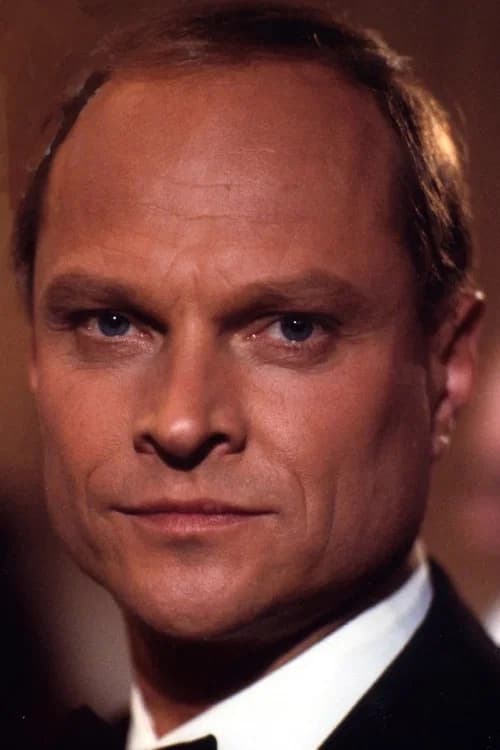
Chloe Webb has built a career around characters who rarely fit neatly into the frame. Born in Greenwich Village on June 25, 1956, and primarily raised in Syracuse, New York, she first pursued singing, studying at The Boston Conservatory and later Berklee College of Music. Performing in bars helped clarify where her strongest instincts lay: not in singing, but in acting. Webb joined the Off-Broadway revue Forbidden Broadway in 1982, a fitting early stop for a performer with a sharp feel for heightened personalities. Her film debut arrived four years later in Alex Cox’s Sid & Nancy, where she played Nancy Spungen opposite the film’s portrait of Sid Vicious. It was a difficult, abrasive role, and Webb did not soften its edges. The performance earned best actress honors from the National Society of Film Critics and critics’ groups in Boston and San Francisco. Her subsequent work shows a particular gift for making eccentricity feel specific rather than decorative. She played a socialite in Peter Greenaway’s The Belly of an Architect, an aspiring singer in the television drama China Beach and Danny DeVito’s character’s offbeat girlfriend in Twins. A brief appearance in Ghostbusters II cast her as a woman convinced she had been abducted by aliens. She later worked alongside Denzel Washington and Bob Hoskins in Heart Condition and reunited with Cox for Repo Chick. Webb has moved easily among film, television and theatre. Her stage credits include Los Angeles productions of The House of Blue Leaves and The Model Apartment, with award-winning performances in both. On television, she brought the eccentric Mona Ramsey to Tales of the City and appeared in series including Judging Amy, House, Medium and CSI: Crime Scene Investigation. As Monica Gallagher in Shameless, Webb again found a role built on instability and emotional friction; the performance brought her a Critics’ Choice Television Award nomination. Across these parts, her appeal lies in her refusal to make complicated people comfortable.
1 Film
London
Christopher Neame is a British actor whose screen career has ranged from Hammer horror and major BBC dramas to American action films and science-fiction television. Born in London on September 12, 1947, he became a familiar presence in British film and television through roles that often made good use of his controlled, imposing manner. His early film credits include No Blade of Grass, Lust for a Vampire and Dracula AD 1972, placing him squarely within a particularly adventurous period of British genre cinema. On television, he played Lieutenant Dick Player in Colditz and Flight Lieutenant John Curtis in the first season of Secret Army. Historical drama also gave him substantial parts: Kaiser Wilhelm II in the 13-part Edward the Seventh and Mark Antony in The Cleopatras. Science-fiction viewers may know Neame best as Skagra, the villain of the unfinished 1979 Doctor Who serial Shada. Decades later, he returned to provide his voice when the story was completed with animation in 2017. His wider genre résumé is unusually broad, with appearances across Blake's 7, Star Trek: Enterprise, Babylon 5 and Earth 2. He also played the principal villain in the live-action sequences of the 1997 video game Star Wars Jedi Knight: Dark Forces II. After emigrating to the United States, Neame appeared regularly in American film and television. His movie credits include Steel Dawn, D.O.A., Bloodstone, Licence to Kill, Ghostbusters II, Suburban Commando, Hellbound and The Prestige. Television brought appearances in MacGyver, Dallas, Dynasty, The A-Team, Northern Exposure and JAG, among others. Neame's career is defined less by one signature part than by his ability to move between period drama, horror, action and science fiction. In 2018, he returned to his Hammer roots by reuniting with Caroline Munro for House of the Gorgon.
The collection
Rewind the movies that built the Ghostbusters franchise.
1984 // VHS
Rewind Ghostbusters on Please Rewind.

1989 // VHS
Rewind Ghostbusters II on Please Rewind.