Why Horror Movies Feel Better in Autumn
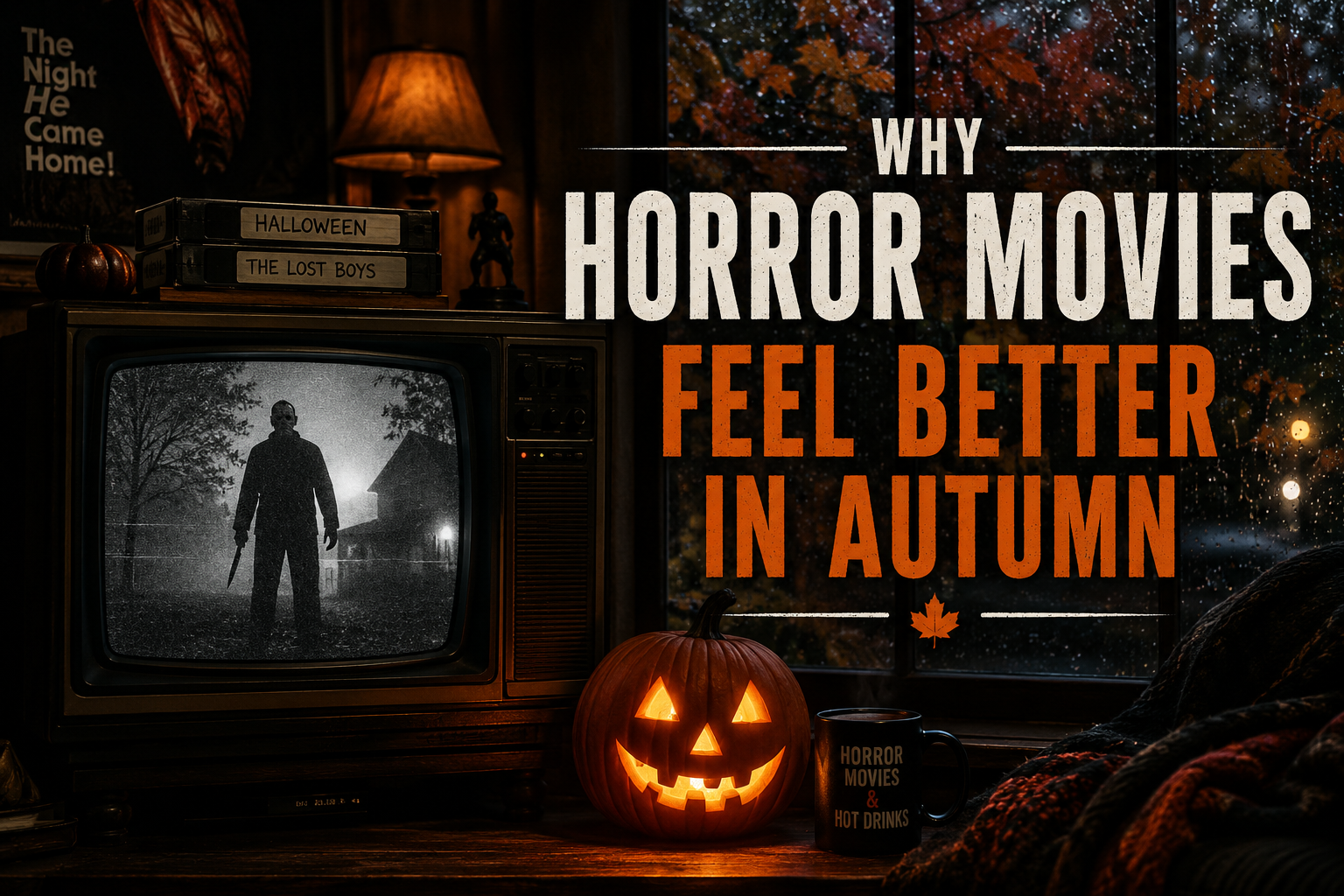
Every year, horror movies start working differently. It doesn't arrive on October 31. It happens earlier than that. Maybe it's the first evening when you notice it's getting dark before you've finished dinner. Maybe it's the first properly cold night after summer. Maybe it's rain hitting the windows while you're deciding what to watch. Or perhaps it's simply walking through a supermarket and seeing pumpkins where the barbecue charcoal used to be. Whatever triggers it, something changes. Suddenly, watching a horror movie feels right again. You can watch Halloween in June. Of course you can. Michael Myers doesn't become less effective because it's warm outside. You can watch The Lost Boys on a bright Sunday afternoon in May. Freddy Krueger can turn up in February. The Exorcist doesn't check the calendar before frightening the life out of you. But put those same films on during a dark autumn evening and somehow they feel different. The film hasn't changed. Everything around the film has. And perhaps that's why horror movies feel better in autumn.
STAFF PICK
ONE MORE MOVIE?
FEATURE PRESENTATION
STORIES WORTH REWINDING
FEATURE PRESENTATION
PLAY // READ // REWIND
THE FIRST DARK EVENING
You Feel Autumn Before You Really Notice It
Summer doesn't usually disappear dramatically.
No morning comes when somebody announces it's officially time to put the horror films back on.
It creeps up on you.
The evenings get shorter.
The temperature drops.
You close the curtains slightly earlier than you did the week before.
Then one evening you look outside at seven o'clock and realise it's already dark.
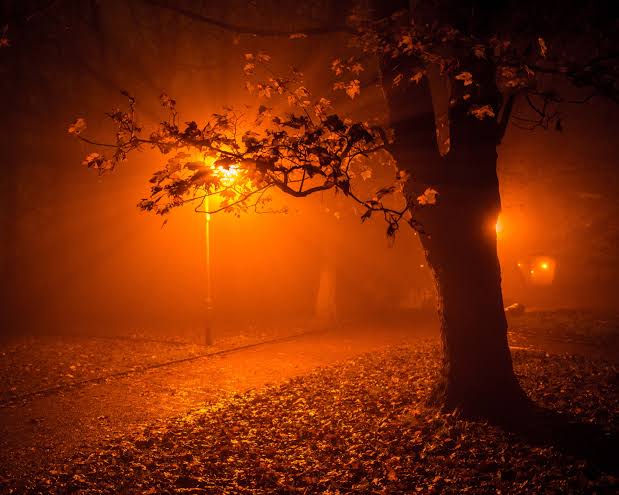
That's when it starts.
Something about darkness changes the way we watch horror.
That's hardly a revolutionary discovery. Filmmakers have understood our relationship with darkness for more than a century.
What you can't see has always been frightening.
But there's a difference between watching a horror film in a darkened room while daylight is blazing through the edges of the curtains and watching one when the entire world outside has gone black.
The room becomes smaller.
The television becomes brighter.
Sounds elsewhere in the house suddenly become more noticeable.
And that window behind you?
You become slightly more aware of it.
You know perfectly well no one is standing outside.
But perhaps you don't need to look just yet.
THE WORLD STARTS LOOKING LIKE A HORROR MOVIE
Autumn Does Half the Production Design for Free
Horror has borrowed from autumn for decades.
Bare branches.
Dead leaves.
Mist.
Rain.
Grey skies.
Earlier sunsets.
Empty roads disappearing into darkness.
Filmmakers keep returning to those images for a reason.
Autumn naturally strips warmth from the landscape.
The lush greens of summer disappear. Trees become skeletal. Leaves rot beneath your feet. The days shrink and the nights expand.
Even perfectly ordinary places can start looking slightly sinister.
Walk through a park on a sunny July afternoon, and it's lovely.
Walk through that same park at six o'clock on a foggy November evening, and suddenly you're wondering why you didn't take the bloody car.
Horror cinema understands this instinctively.
Autumn already looks like something is ending.
And horror loves endings.
HALLOWEEN IS COMING
The Entire World Starts Advertising Horror
Then the pumpkins appear.
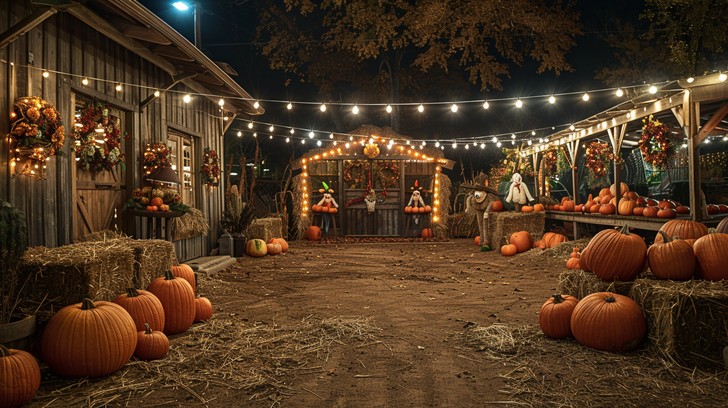
Halloween decorations creep into shops.
Plastic skeletons hang from shelves.
Fake cobwebs cover windows.
Costumes appear.
Supermarkets start selling sweets in enormous bags, supposedly for trick-or-treaters, that we're all absolutely going to eat ourselves.
And horror suddenly escapes the screen.
For a few weeks every year, monsters become mainstream.
Ghosts appear in shop windows.
Skeletons hang outside houses.
Vampires decorate children's clothes.
People put severed plastic hands on their front lawns and nobody calls the police.
There is something wonderfully strange about it.
For most of the year, horror fandom is its own world.
Then autumn arrives, and everybody joins in.
Even people who rarely watch horror start asking what scary movie they should put on.
Streaming services create Halloween sections. Television schedules begin filling with familiar films. Cinemas bring classics back to the big screen.
For a little while, the calendar itself seems to be telling us:
It's time for horror again.
SOME MOVIES BELONG TO A SEASON
Halloween in July Just Isn't Halloween in October
Some movies feel so tied to a particular time of year that watching them outside that period can feel almost rebellious.
Christmas films are the obvious example.
Nobody is physically stopping you from watching Home Alone in April.
But it feels wrong.
Horror has its own version of this.
John Carpenter's Halloween is the clearest example imaginable.
You can watch Michael Myers at any point during the year, but something happens when you watch that film as October approaches.
The jack-o'-lantern.
The autumn streets.
The decorations.
The children walking home from school.
The houses preparing for Halloween night.
Carpenter's score.
Michael appearing silently at the edge of the frame.
It stops feeling like you're simply watching a film set during Halloween.
For ninety minutes, your world and the movie's world begin occupying the same space.
That's powerful.
And it isn't limited to Halloween.
Certain horror films become attached to autumn simply because we've watched them at this time of year so many times.
The Lost Boys.
A Nightmare on Elm Street.
Friday the 13th.
The Evil Dead.
Scream.
The Blair Witch Project.
Maybe your list is completely different.
That's the point.
Eventually we all create our own seasonal canon.
THE MOVIES COME BACK WITH MEMORIES
You're Never Only Rewatching the Film
This is where things become more interesting.
Suppose you've watched Halloween every October for twenty years.
When you put it on this year, you're not experiencing only the film.
You're carrying nineteen other Octobers into the room with you.
Maybe you remember watching it as a teenager.
Maybe you remember renting it.
Maybe you watched it with somebody who isn't around anymore.
Perhaps it reminds you of your first house, an old relationship, your children being younger, or some completely ordinary night you'd forgotten until the opening music started.
Movies are brilliant at attaching themselves to memories.
And repeated seasonal viewing strengthens that attachment.
That's why some films become traditions.
You know what's going to happen.
You know every scare.
You know who dies.
You could probably quote half the dialogue.
Yet you still put the film on.
Why?
Because eventually you're not returning for the surprise.
You're returning for the feeling.
WHEN HORROR BECOMES COMFORTING
Somehow the Movies That Scared Us Became Cosy
This sounds ridiculous when you say it aloud.
There is nothing objectively cosy about a masked murderer stalking babysitters.
But horror fans know exactly what I mean.
Old horror movies can become comfort movies.
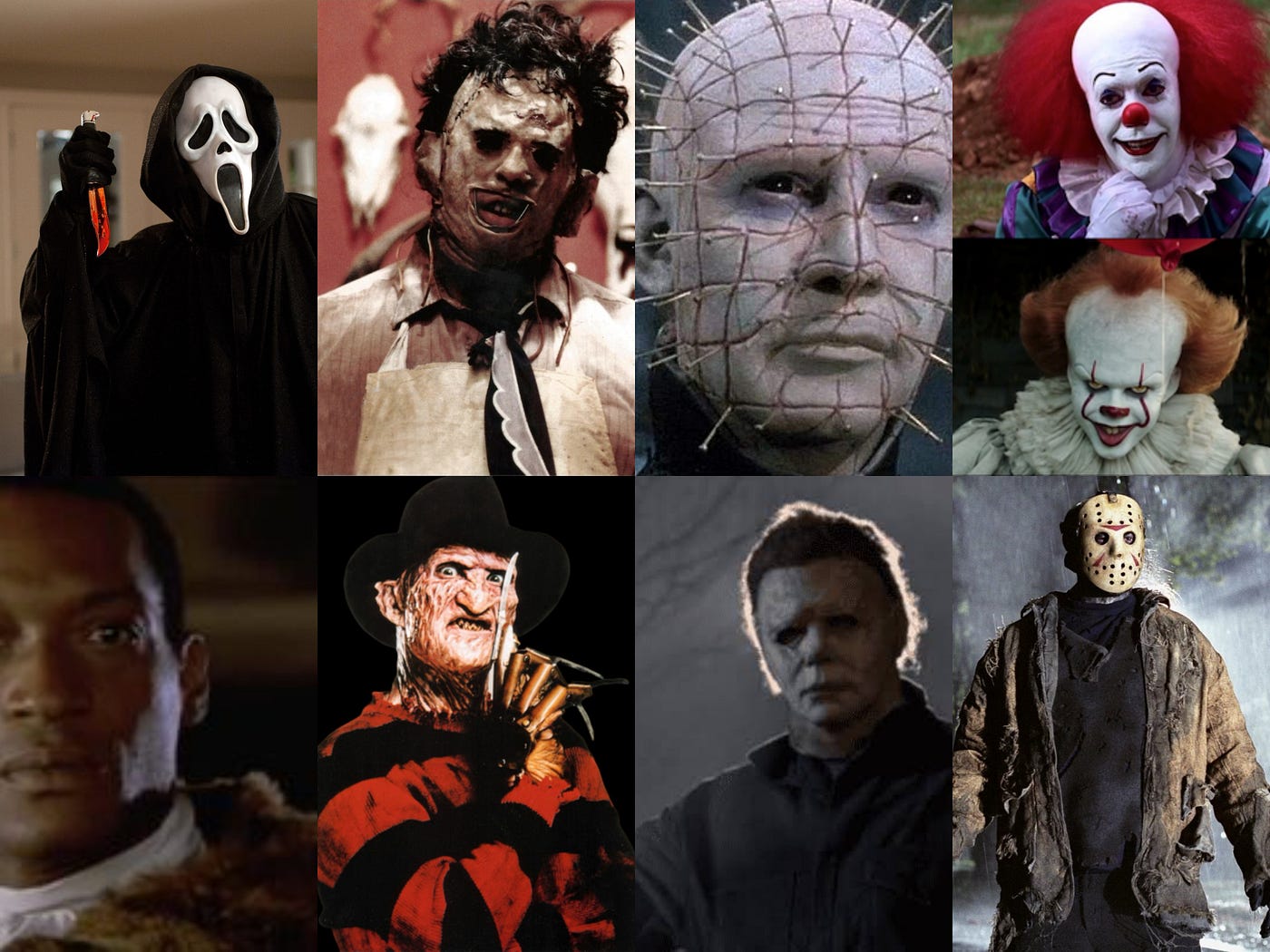
Freddy Krueger isn't supposed to make anybody feel comfortable.
Neither are Michael Myers, Jason Voorhees or Pinhead.
Yet seeing them again can feel strangely reassuring.
Partly that's familiarity.
We know these movies.
We know their rhythms.
We know when the scare is coming.
But I think there's something deeper happening too.
Those films can connect us to periods of our lives when movies felt enormously important.
Maybe it was staying up too late to watch something you weren't supposed to see.
Maybe it was renting a VHS with friends.
Maybe it was discovering horror properly for the first time.
The fear eventually fades.
The affection doesn't.
That's how a movie that once made you afraid to walk upstairs alone can eventually become something you actively look forward to watching every autumn.
Horror hasn't become less powerful.
Its power has changed.
THE VIDEO SHOP AUTUMN
October Used to Transform the Horror Aisle
For those of us who grew up with video shops, autumn came with another ritual.
The horror section suddenly mattered even more.
Those shelves were fascinating all year round, obviously.
But around Halloween they seemed to come alive.
The covers looked better.
The movies felt more tempting.
Films you'd walked past dozens of times suddenly became possibilities.
And choosing what to rent was part of the night.
You didn't have every horror movie ever made sitting behind a search bar.
You had whatever happened to be available.
If somebody had already rented the film you wanted, tough luck.
Pick something else.
That limitation made discovery exciting.
You might go looking for A Nightmare on Elm Street and come home with some completely ridiculous horror movie you'd never heard of because Freddy wasn't available.
Sometimes it was terrible.
Sometimes you discovered something brilliant.
Either way, you remembered it.
Streaming has given us extraordinary access to cinema.
I wouldn't genuinely trade that away.
But there was something special about walking through a video shop on an autumn evening with no idea what movie you'd be taking home.
HORROR SOUNDS BETTER WHEN IT'S RAINING
The Room Matters More Than We Admit
Movies don't exist independently of where we watch them.
A cinema understands this.
The lights disappear.
The doors close.
The outside world is removed.
Your attention narrows until there is little besides the screen.
At home, the environment is less controlled.
And that's precisely why autumn can improve horror.
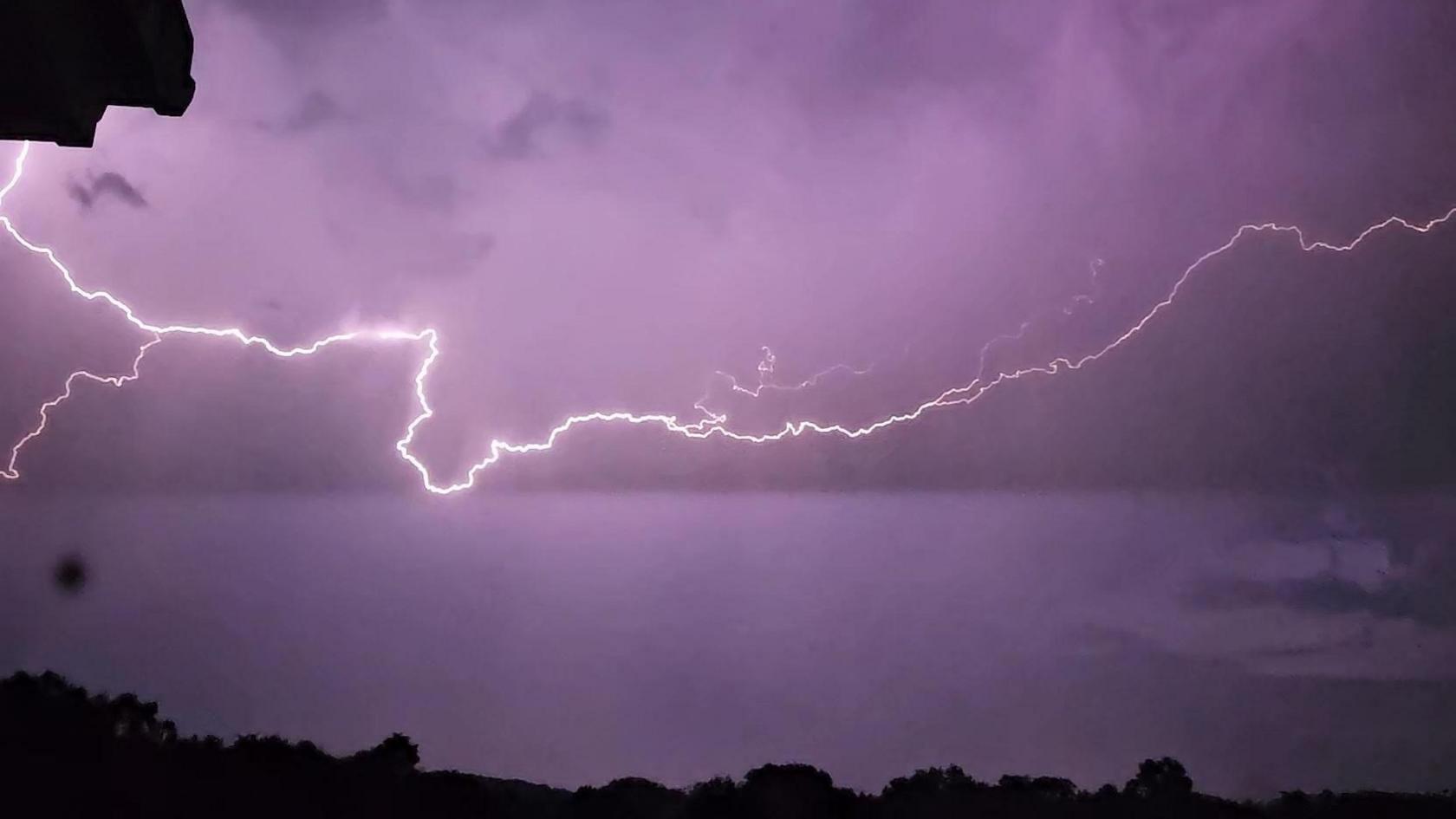
Rain against the window becomes accidental sound design.
Wind outside becomes part of the atmosphere.
The darkness beyond the glass extends the movie beyond the television.
Even being slightly cold can change the experience.
Try watching a haunted-house film while rain is hammering against the windows.
Then watch the same film at lunchtime during a heatwave while someone nearby mows their lawn.
It's the same movie.
It is absolutely not the same experience.
HORROR IS A SOCIAL RITUAL
Being Scared Together Is Half the Fun
Autumn horror isn't always about sitting alone in the dark.
Quite often it's the opposite.
Halloween gives us permission to turn fear into something social.
Movie marathons.
Cinema screenings.
Sleepovers when we were younger.
Couples arguing over who chose the film.
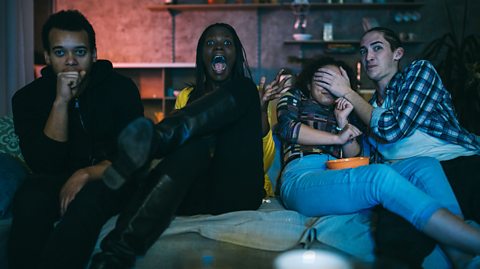
Friends deliberately selecting something because somebody in the room claims they don't scare easily.
There is pleasure in watching another person react to a horror movie you already know.
You know the scare is coming.
They don't.
Suddenly you're watching them instead of the screen.
That experience stretches back through generations of horror audiences.
Fear is contagious.
So is laughter.
And the best horror screenings frequently contain both.
Halloween simply gives everyone an excuse to do it at the same time.
THE ANNUAL ARGUMENT
What Counts as a Halloween Movie Anyway?
Every year somebody will inevitably tell you that a particular film isn't really a Halloween movie.
This is usually where the fun begins.
Does a film need to take place on Halloween?
Of course not.
Does it even need to be horror?
Probably not.
Seasonal movies become seasonal because we decide they are.
If you've watched The Lost Boys every October since you were seventeen, then congratulations: The Lost Boys is one of your Halloween movies.
If your family watches Ghostbusters, that's one.
If somebody insists on Beetlejuice, put it on.
Maybe yours is The Craft.
Maybe it's The Addams Family.
Maybe it's Hocus Pocus followed immediately by something involving considerably more blood.
Tradition doesn't need official approval.
That's what makes personal movie rituals so wonderful.
We build them ourselves.
WHY AUTUMN MAKES NOSTALGIA STRONGER
The Season Already Feels Like a Memory
Autumn has something inherently nostalgic about it.
Perhaps it's because so many childhood routines restarted around this time.
Summer ended.
School returned.
The nights drew in.
Television schedules changed.
Halloween approached.
Then Christmas appeared in the distance.
The year suddenly had momentum.
As adults, those sensory cues remain.
Cold air.
Wet leaves.
The smell of rain.
Streetlights coming on earlier.
Halloween decorations appearing in windows.
They can unlock memories without warning.
Movies become caught up in that.
Watch something you first loved thirty years ago, and you're not merely remembering the film.
You're remembering the room where you watched it.
The television you watched it on.
The people sitting beside you.
The person you were.
That's why nostalgia can hit so much harder than simply thinking, I used to like this movie.
Sometimes you're mourning an entire world that existed around it.
THE STREAMING AGE HASN'T KILLED THE RITUAL
We've Just Built a New Version of It
It's tempting to romanticise the past.
I do it myself.
Give me a video shop, rows of VHS tapes and a slightly dodgy carpet, and I'll happily disappear for an afternoon.
But horror fandom hasn't become worse because the technology changed.
It's become different.
Today a teenager can discover Halloween, The Thing, Scream, Ringu, The Texas Chain Saw Massacre and dozens of films from countries they might never otherwise encounter.
They can watch interviews with filmmakers.
Discover independent horror.
Find communities of people obsessed with exactly the same strange movies they are.
And every autumn, social media fills with people sharing their October watchlists.
That's simply the modern version of asking the person behind the video-shop counter:
"Got anything scary?"
The method changed.
The ritual survived.
OCTOBER GIVES OLD MOVIES NEW LIFE
For One Month, Everyone Starts Talking Horror
This may be my favourite thing about the season.
Decades-old films suddenly feel current again.
People talk about Michael Myers as though Halloween came out last Thursday.
Someone discovers The Thing for the first time.
A teenager watches Scream and realises why everyone has been banging on about it.
A cinema screens a 40-year-old horror movie to a packed audience.
Parents show their children the films that terrified them.
New horror fans meet old horror fans.
Movies pass between generations.
That's how cinema stays alive.
Not because films sit perfectly preserved in an archive.
Because somebody presses play again.
THE NIGHT GETS CLOSER
Horror Works Best When the Outside World Cooperates
By October, darkness isn't something you have to manufacture.
It's already there.
That's perhaps the simplest explanation for all of this.
Horror movies ask us to surrender to an atmosphere.
Autumn makes surrendering easier.
The lights are lower.
The world is quieter.
The nights are longer.
Halloween imagery is everywhere.
We're already thinking about ghosts, monsters, witches and things hiding in the dark before the opening credits have even started.
The season prepares us.
Then the movie finishes.
The credits roll.
The television goes dark.
And suddenly you can hear the wind outside again.
You stand up.
Turn off the lights.
And begin that walk upstairs.
You're an adult.
You've watched hundreds of horror films.
You know exactly how movies work.
You know Michael Myers isn't standing at the top of the stairs.
Obviously.
Still...
No harm in turning the hallway light on.
THE PLEASE REWIND TAKE
Maybe Autumn Doesn't Change Horror — Maybe It Changes Us
Perhaps horror movies don't actually feel better in autumn.
Perhaps we're the ones who change.
We're more willing to dim the lights.
More willing to revisit old favourites.
More receptive to atmosphere.
More nostalgic.
More prepared to let ourselves be frightened.
For a few weeks, watching horror stops being merely something we do and becomes part of the season itself.
That's why we return to the same films.
That's why Halloween comes back every October.
That's why Freddy, Jason, Ghostface and all the other monsters somehow feel like old acquaintances.
And that's why, when the evenings begin getting darker and the first Halloween decorations appear, horror fans feel that little spark of excitement.
We've waited all year for this.
The movies were always there.
Autumn just makes it feel like they've come home.
END OF FEATURE
Be kind. Rewind. Then pick another.
One more movie?
DON'T RETURN
THE TAPE YET.
Two more stories from the Please Rewind magazine rack.
RENTAL_01
Movie Culture
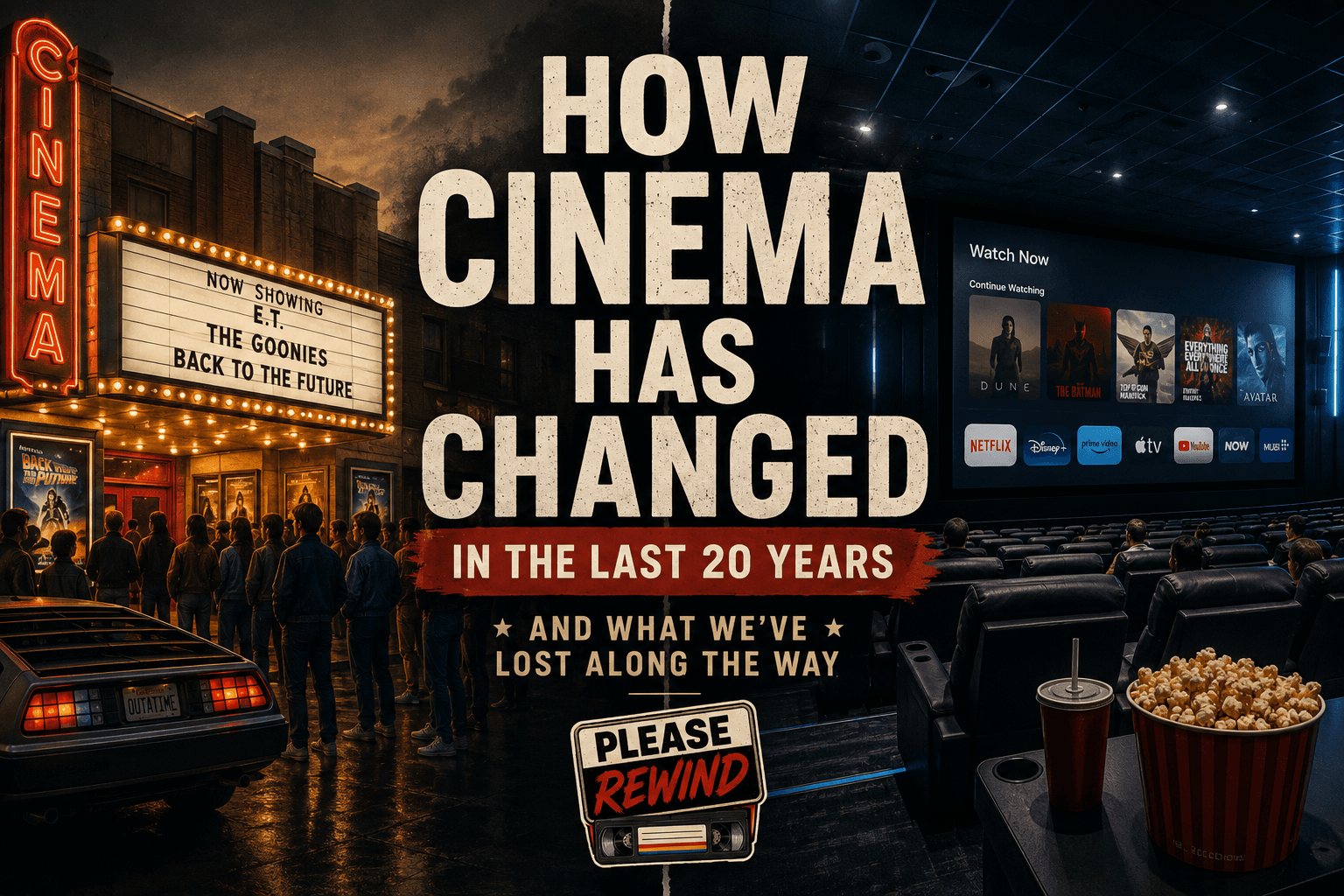
How Cinema Has Changed in the Last 20 Years — And What We’ve Lost Along the Way
From Friday-night queues and packed multiplexes to streaming, phones and endless choice, going to the movies feels very different now.
PICK UP RENTAL →
RENTAL_02
Nostalgia
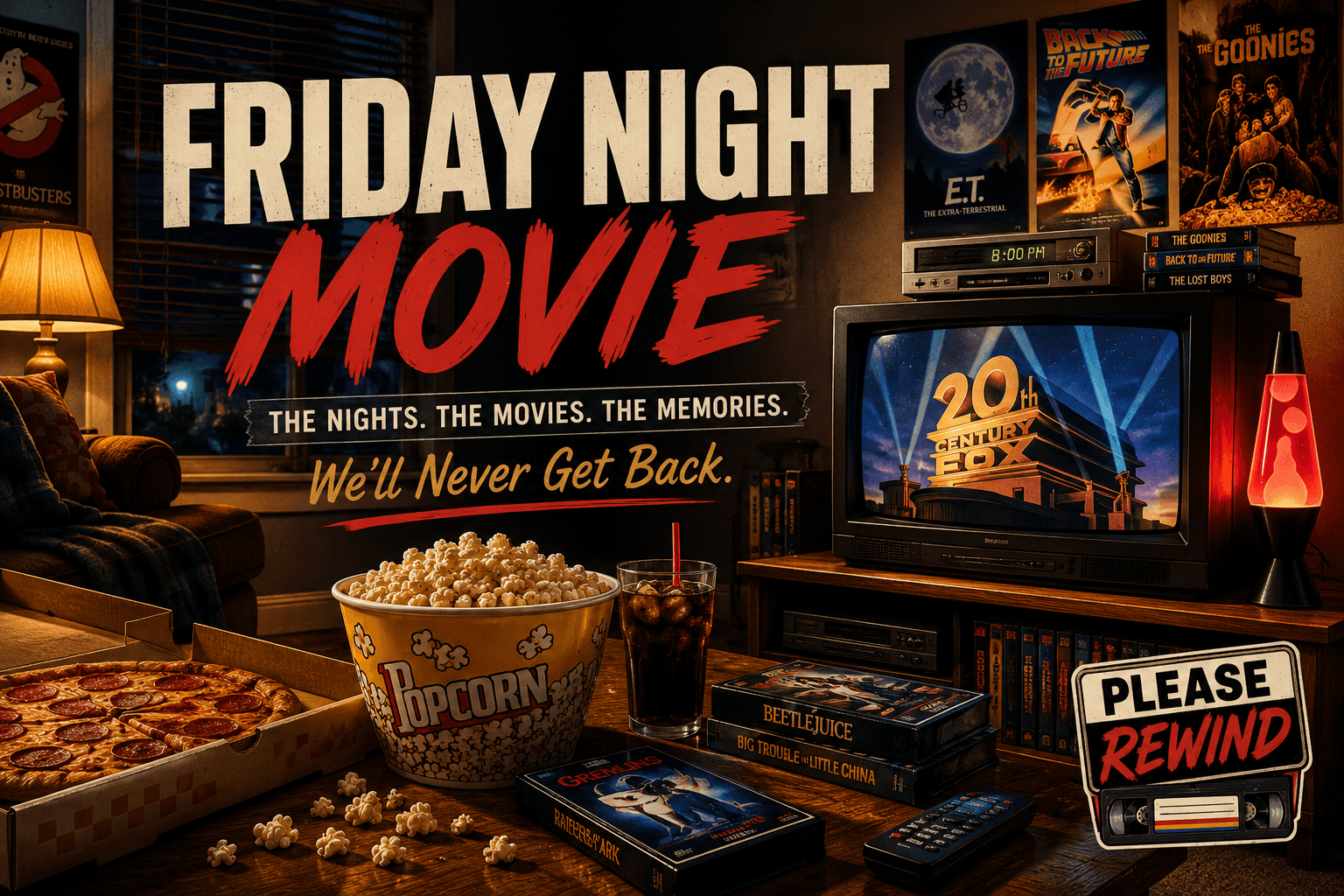
Whatever Happened to the Friday Night Movie?
Before endless scrolling and infinite watchlists, Friday night meant choosing one film, getting the snacks in and actually pressing play.
PICK UP RENTAL →