The Funny Man Who Always Feared He Was Living on Borrowed Time
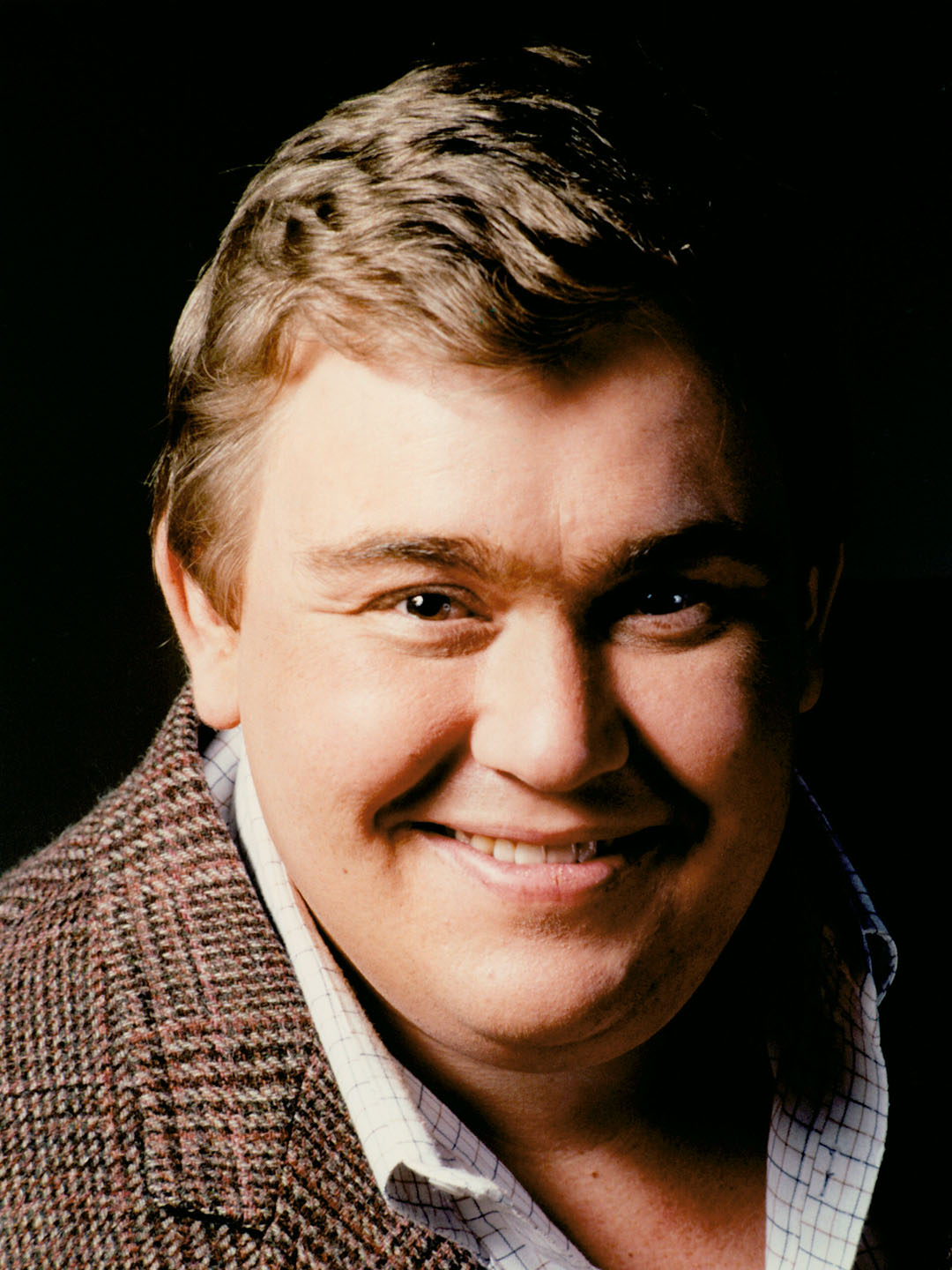
John Candy spent his life making other people laugh. Behind the warmth of Uncle Buck, Planes, Trains and Automobiles, and some of the most beloved comedies of the 1980s was a man shaped by the loss of his father, anxiety, Hollywood’s obsession with his weight and a haunting fear that his own life might also be cut short.
STAFF PICK
ONE MORE MOVIE?
FEATURE PRESENTATION
STORIES WORTH REWINDING
FEATURE PRESENTATION
PLAY // READ // REWIND
John Candy
The Man Made Us All Laugh Uncontrollably
There is a moment in Planes, Trains and Automobiles when John Candy stops being funny.
For much of the film, his character, Del Griffith, has been impossible to ignore. He talks too much, gets too close, makes a mess of things and drives Steve Martin's Neal Page to breaking point.
Then Neal attacks him.
He mocks his stories, his habits and his personality. And suddenly the enormous comic presence sitting opposite him seems very small.
Del listens, then quietly defends who he is.
He likes himself. His wife likes him. His customers like him. He isn't changing simply because somebody else finds him irritating.
It's one of the great scenes of John Candy's career because beneath the comedy was something audiences recognised repeatedly in him: vulnerability.
Candy could make you laugh simply by walking into a room. But he could also make you care about the man standing there.
More than three decades after his death, the documentary John Candy: I Like Me has encouraged audiences to look again at the human being behind those performances. Directed by Colin Hanks and produced by Ryan Reynolds, the film uses family testimony, collaborators, home movies and archival material to examine Candy’s life away from the characters millions loved.
Behind that famous smile was a story far more complicated than the movies ever suggested.
BEFORE THE LAUGHTER
John Candy Lost His Father Before He Was Old Enough to Understand Why
John Franklin Candy was born in Ontario, Canada, on October 31, 1950.
Before Hollywood, before SCTV and long before Uncle Buck arrived at his niece’s school in that battered Mercury, something happened that would remain with Candy for the rest of his life.
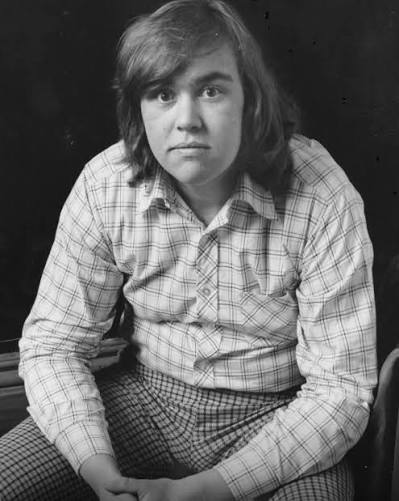
His father, Sidney, died from a heart attack.
He was only 35.
John was not yet five years old.
His mother, Evangeline, was left to raise her children, and the family moved into her parents’ home. It was an enormous loss at an age when Candy could scarcely have understood what death meant.
But growing older meant understanding something else.
His father hadn’t died as an older man.
He had barely reached his mid-thirties.
Candy’s widow Rosemary and their children have subsequently discussed the unresolved grief he carried from losing his father and his awareness of his own mortality. The 2025 documentary brought that part of him into public view more clearly than perhaps ever before.
For somebody whose public identity would eventually become synonymous with warmth and laughter, fear had entered his life extraordinarily early.
And it never entirely left.
FINDING HIS PLACE
Comedy Gave John Candy Somewhere to Belong
John Candy wasn’t born a movie star.
His route into entertainment ran through Canadian theatre, small television appearances and eventually Second City, the legendary improvisational comedy company.
That changed everything.
Candy became part of the extraordinary collection of talent surrounding Second City and its television offshoot, SCTV. Eugene Levy, Catherine O'Hara, Rick Moranis, Andrea Martin and others were part of a generation of Canadian performers who would leave an enormous mark on North American comedy.
Candy was perfectly at home among them.
On SCTV he could disappear into characters such as Johnny LaRue or turn celebrity impressions into something gloriously ridiculous. He wasn't merely a performer either; his writing work on the series contributed to Emmy wins during the show's run.
Hollywood inevitably noticed.
Small movie roles became larger ones.
Then the 1980s arrived.
And John Candy became John Candy.
THE MOVIE STAR
The 1980s Turned John Candy Into One of Cinema's Most Recognisable Faces
Look through John Candy's filmography, and the sheer concentration of memorable movies during the 1980s is remarkable.
Brewster's Millions.
Planes, Trains and Automobiles.
Sometimes he was the star. Sometimes he appeared for only part of the movie. Yet Candy had the rare ability to make audiences feel as though they'd spent considerably longer with him.
His size was part of his screen presence, but it wasn't the reason he was funny.
Candy's real weapon was warmth.
He could play loud, irritating, chaotic or foolish without making the character impossible to love.
And when filmmakers understood that, something special happened.
John Hughes understood it particularly well.
DEL GRIFFITH
Planes, Trains and Automobiles Showed What John Candy Could Really Do
Planes, Trains and Automobiles could easily have been a road comedy.
Steve Martin is the tightly wound Neal Page. John Candy is Del Griffith, the shower-curtain-ring salesman who seems genetically incapable of respecting another person's personal space.
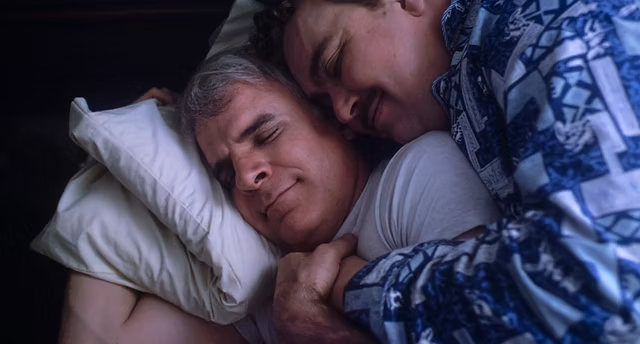
Put them together. Prevent them from getting home. Watch the disaster unfold.
And it is extremely funny.
But John Hughes gives Candy something more.
Gradually, the audience begins to realise that Del's endless stories and enormous personality are hiding profound loneliness.
Candy doesn't suddenly transform into a different performer when those moments arrive.
He simply allows a little more of Del to show.
That's what makes the character work.
The title of Colin Hanks' documentary, John Candy: I Like Me, deliberately recalls that famous confrontation in Planes, Trains and Automobiles. It is hard to imagine a more appropriate piece of Candy's work to frame a film about his life.
The scene tells us something that applies to many of his greatest characters.
John Candy could make us laugh at somebody and then, moments later, make us ashamed that we'd laughed at them.
HOLLYWOOD'S CRUEL SIDE
Everybody Saw John Candy's Weight — Including John Candy
Revisiting celebrity interviews from previous decades can feel uncomfortable.
Questions that once passed as entertainment can look remarkably cruel with distance.
John Candy knew he was overweight.
Hollywood made absolutely certain that he could never forget it.
His family has spoken about watching old interviews in which Candy was confronted directly about his body. Rosemary Candy recalled how hurt he looked, while their son Chris described including some of that material in I Like Me as particularly effective.
His physical appearance was also intertwined with his career.
Hollywood loved the jovial big man.
That image helped sell movies.
Yet the human being occupying that body lived with anxiety and concerns about his health.
That contradiction is difficult to ignore.
The thing audiences and studios recognised instantly about John Candy was also something he was repeatedly reminded could endanger him.
And somewhere behind those concerns was the knowledge of what had happened to his father.
BEHIND THE SMILE
Fame Didn't Silence the Anxiety
Success didn’t magically remove Candy’s fears.
If anything, fame gave him more to lose.
Accounts of his later life describe anxiety and trouble sleeping. At the same time, his family has spoken openly about the chronic anxiety he experienced at a time when conversations about mental health were far less common than they are today.
That matters when looking back at Candy because the public image was so different.
Here was the big, friendly Canadian.
The man who seemed approachable even when he was one of the most famous comedy actors in Hollywood.
The bloke audiences felt they somehow knew.
But being able to make millions of strangers comfortable doesn’t mean you feel comfortable yourself.
Candy could walk onto a movie set and command the screen.
Away from it, he could still worry about everything that might disappear.
HOME
The Most Important Role in John Candy's Life Wasn't in a Movie
John Candy married Rosemary Hobor in 1979.
They had two children, Jennifer and Christopher.
Despite the attention surrounding the movie star, the picture that emerges of his family is that of a man for whom home mattered enormously.
Rosemary has described falling "head over heels" for him as she got to know him. Decades after his death, she and their children participated in John Candy: I Like Me, choosing not to present a sanitised version of the man they loved but to acknowledge the fears and struggles that existed alongside his warmth.
That distinction matters.
Remembering someone honestly doesn't diminish them.
Sometimes it makes their achievements easier to understand.
Candy wasn't endlessly cheerful because life had never frightened him.
He brought joy to people while carrying his own fears.
And he built the family life that he himself had seen disrupted so brutally as a little boy.
UNCLE BUCK
Perhaps We Loved John Candy Because Caring Never Looked Like Acting
Uncle Buck remains one of Candy's defining films for a reason.
On paper, Buck Russell should be a disaster.
He's unreliable. He's scruffy. He smokes. He gambles. He drives a car that announces its arrival like industrial machinery.
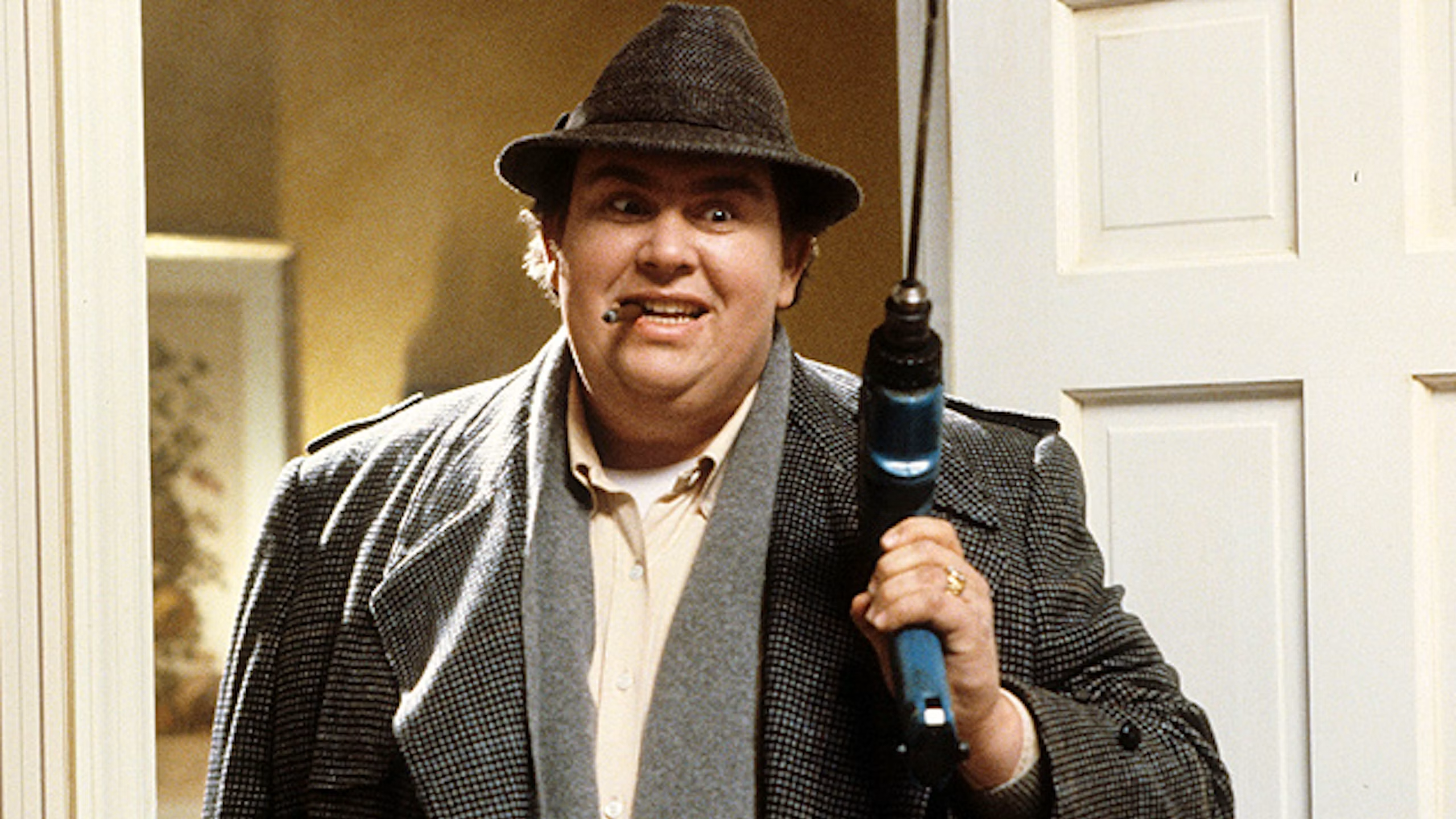
Then his brother needs somebody to look after the children.
And Buck turns up.
That's the magic of the character.
Underneath the chaos is somebody who cares enormously.
Candy could communicate that without becoming sentimental. One expression was often enough.
It's also why his tiny appearance in Home Alone is remembered so fondly. Gus Polinski isn't important to the plot for very long, yet Candy makes him feel like someone who has existed long before he walked into that airport.
The comedy mattered.
But audiences trusted John Candy.
That's much rarer.
BORROWED TIME
The Fear John Candy Carried Became Tragically Prescient
By the early 1990s, Candy was still working constantly.
There were Home Alone, Only the Lonely, JFK and Cool Runnings, among others.
Then came Wagons East!.
Candy travelled to Mexico to make the western comedy. Production was nearing its end when, on March 4, 1994, John Candy died in his sleep after suffering a heart attack.
He was 43 years old.
The number is difficult to escape.
His father had died from a heart attack at 35.
John had spent much of his life conscious that heart disease existed in his family and fearful of dying young.
He had made it only eight years beyond the age his father reached.
Rosemary Candy was a widow.
Jennifer and Chris had lost their dad.
And an audience accustomed to John Candy always being there suddenly had to understand that he wasn’t coming back.
MORE THAN A PUNCHLINE
John Candy Was Never Just the Funny Big Guy
It's easy to reduce John Candy's career to nostalgia.
Put on Uncle Buck. Laugh at the giant pancake.
Watch Planes, Trains and Automobiles every Thanksgiving.
Remember Barf in Spaceballs.
Smile when Gus Polinski introduces himself as the Polka King of the Midwest.
But Candy deserves more than a collection of funny clips.
His family has helped ensure that.
John Candy: I Like Me doesn't pretend the man behind those characters lived without pain. The documentary describes itself as the story of Candy's life, career and loss, told through those who knew him, archival footage and material from his family.
There was grief.
There was anxiety.
There was the pressure of fame.
An industry was willing to make his body part of the joke while profiting from the persona associated with it.
And there was the fear that he might not have as much time as everyone else.
Understanding those things doesn't make John Candy less funny.
It makes the laughter mean more.
I LIKE ME
Why John Candy Still Feels Like Someone We Knew
More than thirty years have passed since John Candy died.
Yet something unusual has happened.
He hasn't really gone away.
Parents who grew up watching him introduced Uncle Buck and The Great Outdoors to their children. Home Alone returns every Christmas. Planes, Trains and Automobiles continues finding people who begin watching a comedy and end up unexpectedly devastated by it.
The films survived.
But so did the affection for the man.
Maybe that's because John Candy never seemed untouchable.
Even at the height of his fame, something wonderfully ordinary about him remained.
He could be embarrassed.
He could be frightened.
He could feel hurt.
He could worry about whether people liked him.
And then he could walk in front of a camera and make millions of those people laugh.
Perhaps that's why Del Griffith's words feel different now.
Not because Del and John Candy were the same person. They weren't.
But because the vulnerability behind the performance was real.
John Candy spent much of his life fearing that there might not be enough of it.
He was right that his time would be painfully short.
He was wrong about how long he would remain with us.
Because every time Neal Page finally understands Del Griffith, every time Uncle Buck turns up when his family needs him, and every Christmas when Gus Polinski offers a desperate mother a ride home, John Candy gets to walk into the room again.
And we're still bloody glad to see him.
END OF FEATURE
Be kind. Rewind. Then pick another.
One more movie?
DON'T RETURN
THE TAPE YET.
Two more stories from the Please Rewind magazine rack.
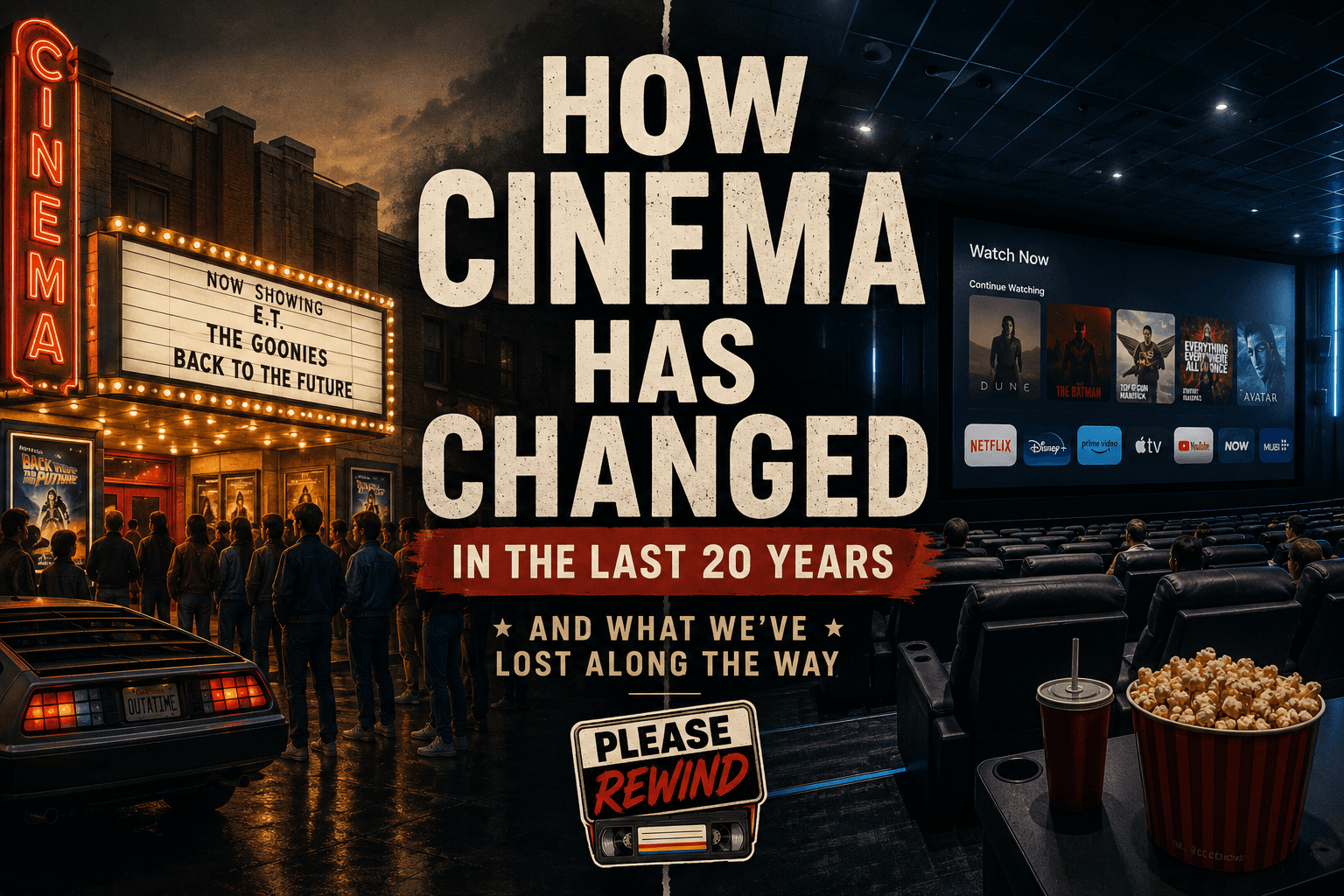
RENTAL_01
Movie Culture
How Cinema Has Changed in the Last 20 Years — And What We’ve Lost Along the Way
From Friday-night queues and packed multiplexes to streaming, phones and endless choice, going to the movies feels very different now.
PICK UP RENTAL →
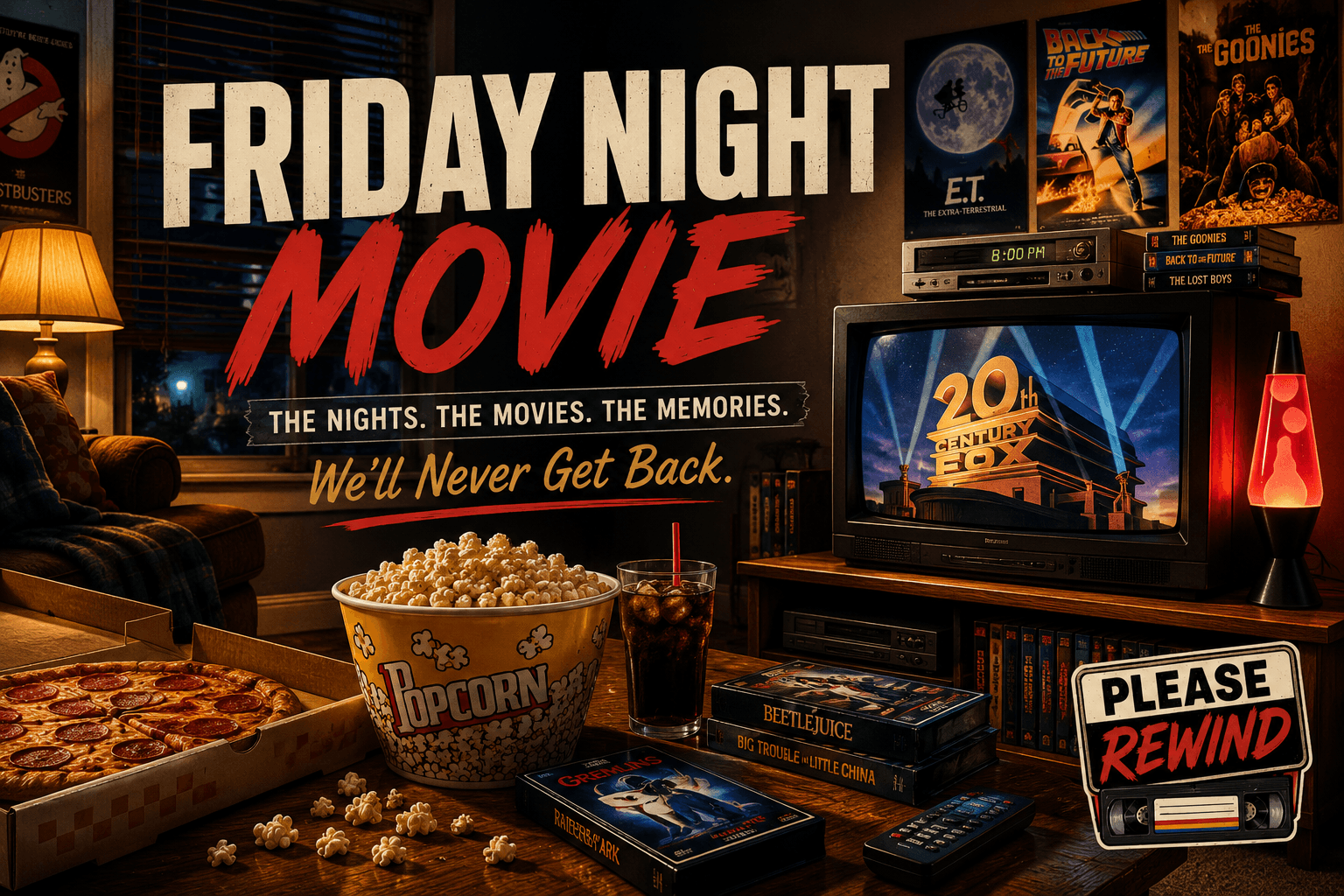
RENTAL_02
Nostalgia
Whatever Happened to the Friday Night Movie?
Before endless scrolling and infinite watchlists, Friday night meant choosing one film, getting the snacks in and actually pressing play.
PICK UP RENTAL →