
Gal Gadot Defends AI Use in New Movie Bitcoin: ‘You’re Going to Work With It or Be Out of the Game
Gal Gadot has defended using artificial intelligence for sets and lighting in Doug Liman’s upcoming movie Bitcoin, arguing that Hollywood can either learn to work with AI or risk being left behind.
JUST IN
DEVELOPING STORY
THE STORY
Gal Gadot has waded straight into one of Hollywood's most uncomfortable conversations. The former Wonder Woman star has defended her decision to appear in Doug Liman's upcoming Bitcoin, a movie using artificial intelligence to create sets and handle elements of its lighting. And Gadot doesn't believe ignoring the technology is an option. Speaking on the Happy Sad Confused podcast, Gadot admitted that AI frightens her but argued that the technology isn't simply going to disappear. Her conclusion was pretty blunt. Hollywood can learn how to work with it — or risk being left behind.
HOLLYWOOD MEETS AI
Gal Gadot Says ‘The Train Has Left the Station
Gadot isn't pretending she has no concerns about artificial intelligence.
Quite the opposite.
The actress admitted she is afraid of the technology, but said she's responded by learning more about it rather than simply looking the other way.
For Gadot, the argument over whether AI is coming to Hollywood has effectively already been settled.
“The train has left the station,” she said.
She believes people in the industry will have to find ways to work alongside the technology or risk being pushed out of the business altogether.
It's a statement almost guaranteed to generate debate in an industry already wrestling with what generative AI could mean for actors, writers, artists and production crews.
And Bitcoin is putting that debate directly into practice.
AN AI-ASSISTED MOVIE
Bitcoin Is Using AI for Sets and Lighting
Directed by Doug Liman, Bitcoin is taking an unusual approach to production.
Gadot explained that the movie's AI component is used for sets and lighting rather than replacing the actors' performances.
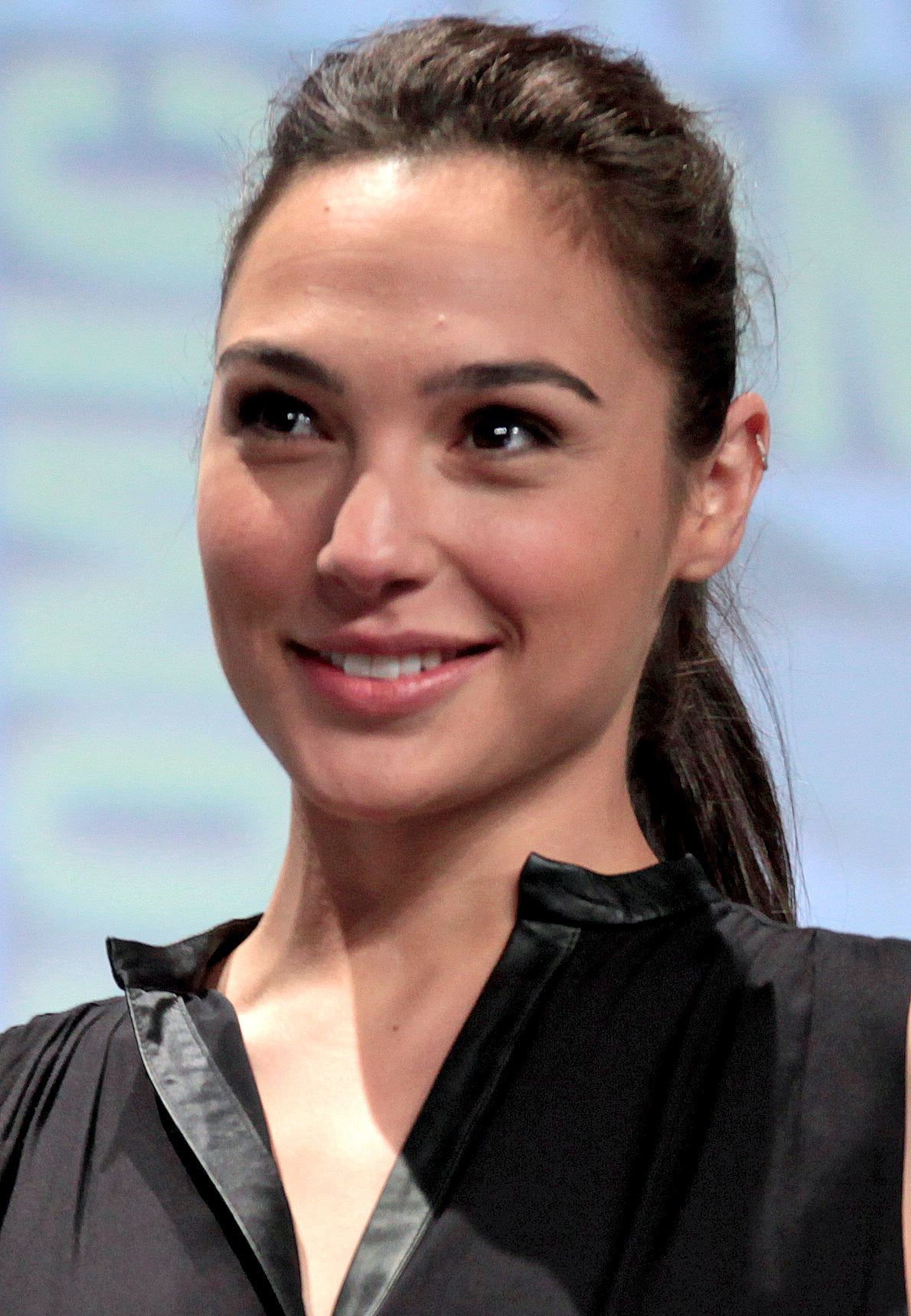
The production was filmed largely on a specially constructed soundstage, allowing the actors to perform without waiting for many of the conventional lighting and set changes associated with a traditional shoot.
For Gadot, that created an unexpectedly theatrical experience.
Instead of spending long stretches waiting for another setup, the cast could continue performing.
She said they could sometimes shoot continuously for around ten hours.
But while Gadot enjoyed that freedom as a performer, using AI to replace work traditionally done by physical production departments will inevitably raise much bigger questions.
SIX MONTHS OF NEGOTIATIONS
Gadot Refused to Let AI Alter Her Performance
Perhaps the most revealing part of Gadot's comments concerns her own contract.
She said negotiations over Bitcoin lasted about six months as her lawyers tried to anticipate the different ways artificial intelligence could be used.
There was one line she wasn't willing to cross.
Gadot did not want AI interfering with her performance.
Her legal team therefore negotiated protections designed to prevent the technology from being used to alter what she did as an actor.
According to Gadot, those protections became detailed enough that SAG-AFTRA contacted her lawyers seeking guidance that could potentially help strengthen protections for other performers.
So while Gadot is embracing a production that uses AI, she certainly didn't enter it without safeguards.
Her position seems less about unrestricted use of the technology and more about establishing where the boundaries should sit.
WHAT IS BITCOIN?
Doug Liman’s New Thriller Has an Unusual Story Behind It
Doug Liman directs Bitcoin, with previous films including The Bourne Identity, Edge of Tomorrow, and Road House.

The movie centres on the extraordinary real-life battle surrounding the identity of Satoshi Nakamoto, the pseudonymous creator of Bitcoin.
Casey Affleck stars as Australian computer scientist Craig Wright, who famously claimed to be Nakamoto.
Alongside Affleck and Gadot, the cast includes Pete Davidson and Isla Fisher.
The project was already attracting attention because of its subject matter.
Its production methods have now made the film part of an entirely different conversation.
THE BIGGER QUESTION
What Happens to the People Who Normally Build Those Sets?
This is where the conversation becomes considerably more complicated.
AI that lets filmmakers create environments and lighting faster may sound impressive from a technological perspective.
But movie sets aren't normally created by nobody.
Production designers, art departments, set decorators, construction crews, lighting technicians and countless other specialists traditionally contribute to building the physical world surrounding actors.
Those jobs matter.
Gadot stressed that Bitcoin still employed a sizeable crew and that plenty of people worked on the production.
But the larger question facing Hollywood isn't simply whether AI can make filmmaking faster.
It's what happens to the people whose work the technology can potentially replace.
That's the part of this conversation that isn't going away.
GADOT ISN’T IGNORING THE RISKS
She Says She Is ‘Afraid of AI’ Too
Interestingly, Gadot's comments don't come from someone arguing that artificial intelligence poses no danger.
She openly admitted she's afraid of it.
Her argument is that fear won't stop the technology from developing.
Rather than refusing to engage with AI, she's attempting to understand it while protecting the aspects of her work she believes must remain human.
Whether everyone else in Hollywood gets the opportunity to negotiate six months of contractual protections is another question entirely.
And that distinction is likely to become increasingly important as more productions experiment with these tools.
PLEASE REWIND'S TAKE
The Technology May Be Inevitable — Replacing People Shouldn’t Be
This is where things get uncomfortable.
We understand Gadot's argument.
Pretending AI doesn't exist won't make it disappear, and filmmakers have always adopted new technologies when they let them do things differently.
Cinema itself has been transformed repeatedly by sound, colour, digital editing, CGI and virtual production.
AI could simply become another part of that evolution.
But there's a massive difference between technology helping somebody do their job and technology being used because somebody has decided their job no longer needs to exist.
Gadot spent six months making absolutely certain AI couldn't replace or alter her performance.
Good.
Actors should have those protections.
But the people designing sets, constructing them, lighting them and creating the physical world around those actors deserve a place in this conversation too.
Perhaps the most interesting thing about Bitcoin won't ultimately be the movie itself.
It may be what happens if its production model works.
Because if Hollywood decides this approach saves enough time and money, Bitcoin won't remain an unusual experiment for very long.
And that's when Gadot's comment about the train already leaving the station starts sounding considerably more important.
Reporting Sources
Where this story came from
Please Rewind checks breaking stories against primary and reputable published sources wherever possible.
News Desk
MORE LATEST NEWS

Movies
David Corenswet Headlines Jonathan Levine’s Underdog Biopic ‘Mr. Irrelevant’ — Trailer Out Now
Paramount and Skydance Sports have released the trailer for Mr Irrelevant, a Jonathan Levine‑directed biopic starring David Corenswet as late New York Giants running back John Tuggle, due this Christmas.
READ STORY →

Movies
Peter Farrelly’s I Play Rocky wows at Toronto with an uplifting take on the making of 1976’s Rocky
Peter Farrelly’s I Play Rocky, a biopic about the making of the 1976 classic Rocky, premiered at the Toronto Film Festival. Deadline’s review calls it a sensational, crowd-pleasing film that matches the original’s inspiration.
READ STORY →

Movies
Venice jury prizes push Malkovich-linked title, Possible Love and NAZA into Oscar conversation
Venice jury decisions have boosted three competition titles — a project tied to John Malkovich, Possible Love and NAZA — into early Oscar contention, while Golden Lion winner Woman Unknown secures Best International Feature eligibility.
READ STORY →