
Frank Sinatra’s Final Great Turn: How The First Deadly Sin Bridged Dirty Harry and Se7en
Released in 1980, The First Deadly Sin finds Frank Sinatra delivering a restrained, ego-free performance in a film that looks back to 1970s vigilante cinema while prefiguring darker thrillers to come.
JUST IN
DEVELOPING STORY
THE STORY
When The First Deadly Sin arrived in 1980, it offered more than a late-career showcase for Frank Sinatra. Critics have since pointed to the film as Sinatra’s last great performance — notable for its lack of vanity — and as a curious narrative hinge. Positioned between the hard-edged vigilantism of films like Dirty Harry and the morally bleak investigations of later thrillers such as Se7en, the picture both reflects an earlier cinematic moment and gestures towards a darker, more uncompromising tone that would follow in subsequent decades.
Performance
Sinatra stripped of ego: a rare late-career turn
Contemporary reassessments highlight Frank Sinatra’s work in The First Deadly Sin as an unexpectedly modest, inward performance. Described as possessing “no ego and no vanity,” Sinatra’s portrayal has been read as a defining late flourish rather than a star turn built on spectacle.
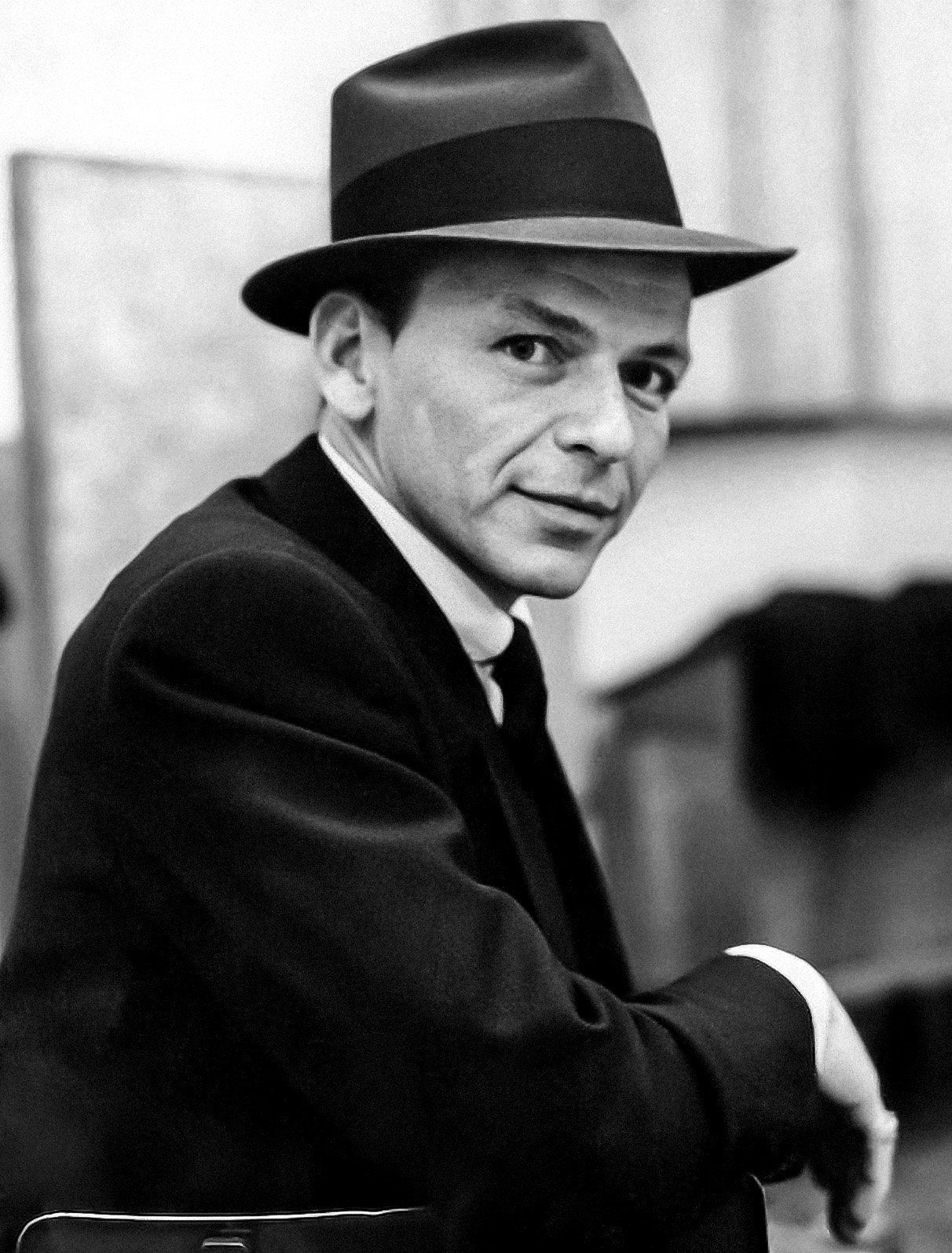
That restraint marks the film’s most remarked-upon attribute: rather than dominating the movie with celebrity, Sinatra seems to anchor it with a pared-back presence. For a performer whose public persona often loomed large, this subdued approach stands out and helps explain why some regard the film as his final great outing.
Historical placement
A transitional picture between two eras of vigilante cinema
Tone
Darker than its famous neighbours
Comparisons between The First Deadly Sin and both Dirty Harry and Se7en repeatedly emphasise tone.
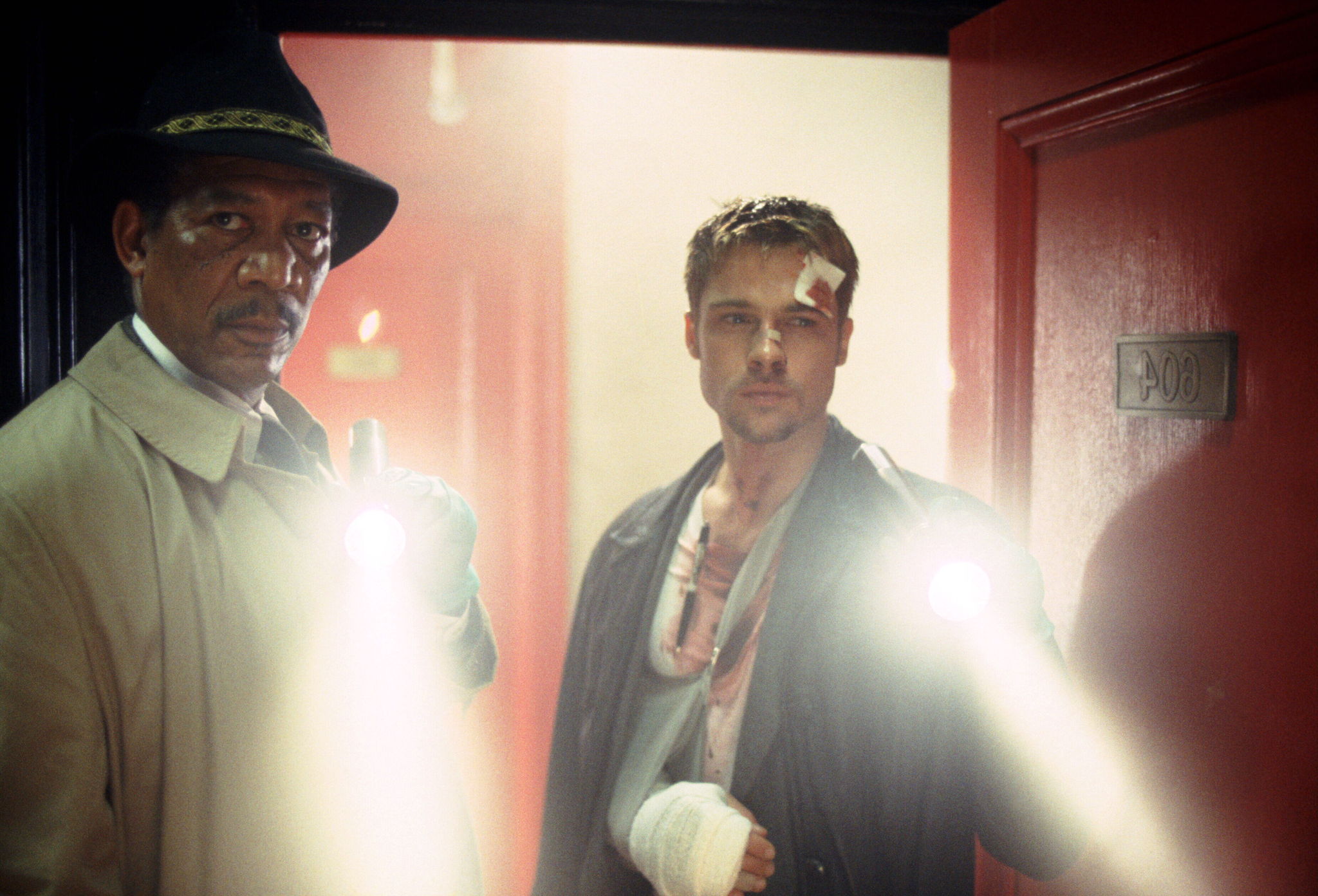
Assessments claim the 1980 picture is, in its way, bleaker than either of those better-known films. Where earlier vigilante tales often balanced bravado with clear moral lines, and some later thrillers leant into elaborate perversity, this film’s atmosphere has been described as particularly unforgiving. That perceived bleakness contributes to why the movie is considered an uneasy but important bridge: it absorbs the grittier impulses of the 1970s and pushes them toward the hard-edged dread that would characterise later neo-noir works.
Craft
A restrained approach to material and mood
Commentators who revisit The First Deadly Sin point to the film’s austere handling of story and character. Rather than relying on flamboyant set pieces or overt star turns, the picture is portrayed as relying on atmosphere, procedural momentum and a sober sense of consequence. That craft choice — prioritising understatement over sensationalism — aligns with observations about Sinatra’s performance and with the film’s reputation for establishing a sombre register. In doing so, it diverges from the punchy, macho energy often associated with earlier vigilante titles, and from the stylised grotesquery of some later thrillers.
Legacy
Why The First Deadly Sin matters to genre history
Even if it doesn’t occupy the same cultural footprint as Dirty Harry or Se7en, The First Deadly Sin earns attention for what it represents historically. Released at the start of a new decade, it marks a transition: a film that both memorialises elements of a previous wave of crime films and gestures toward the bleaker sensibilities that would follow. The film’s critical revaluation centres on this liminal quality, alongside Sinatra’s unexpectedly modest performance, making it of ongoing interest to those tracing shifts in the portrayal of law, justice and retribution on screen.
Reappraisal
A film worth revisiting for late-career nuance
Recent writing encourages fresh viewings of The First Deadly Sin, not solely as a vehicle for a famous performer but as a film that subtly rewires genre expectations. Observers highlight the twin facts of its 1980 release and Sinatra’s quietly effective turn to argue that the movie rewards reconsideration: it looks back to an earlier vigilante mode while also helping set the tone for later, more pessimistic thrillers. For those interested in cinematic transitions or in Sinatra’s screen legacy, the film offers a concise, if sombre, example of both.
Reporting Sources
Where this story came from
Please Rewind checks breaking stories against primary and reputable published sources wherever possible.
News Desk
MORE LATEST NEWS

Movies
David Corenswet Headlines Jonathan Levine’s Underdog Biopic ‘Mr. Irrelevant’ — Trailer Out Now
Paramount and Skydance Sports have released the trailer for Mr Irrelevant, a Jonathan Levine‑directed biopic starring David Corenswet as late New York Giants running back John Tuggle, due this Christmas.
READ STORY →

Movies
Peter Farrelly’s I Play Rocky wows at Toronto with an uplifting take on the making of 1976’s Rocky
Peter Farrelly’s I Play Rocky, a biopic about the making of the 1976 classic Rocky, premiered at the Toronto Film Festival. Deadline’s review calls it a sensational, crowd-pleasing film that matches the original’s inspiration.
READ STORY →

Movies
Venice jury prizes push Malkovich-linked title, Possible Love and NAZA into Oscar conversation
Venice jury decisions have boosted three competition titles — a project tied to John Malkovich, Possible Love and NAZA — into early Oscar contention, while Golden Lion winner Woman Unknown secures Best International Feature eligibility.
READ STORY →