
CAST MEMBER
Please Rewind
Salma Hayek
Please Rewind Talent Wall
Salma Hayek
Born in Coatzacoalcos, Veracruz, Mexico, on September 2, 1966, Salma Hayek began her screen career on Mexican television. She debuted in Un Nuevo Amanecer in 1988 before taking the title role in Teresa, the 1989–1991 telenovela that made her a star in Mexico. Her Hollywood profile took shape in the mid-1990s, with two films that remain essential parts of her screen story. In Desperado, Hayek plays Carolina opposite the film’s heightened action and swagger, bringing warmth, nerve and a grounded presence to the role. A year later, she appeared as Santanico Pandemonium in From Dusk till Dawn, making a commanding impression in a film built to shift beneath the audience’s feet. By the end of the decade, Hayek had become a familiar presence in American studio movies without settling into one lane. She appeared in the science-fiction horror film The Faculty in 1998, then played Serendipity in Dogma in 1999. Those four Please Rewind titles capture the shape of her early U.S. career: genre-driven, playful and willing to move between action, horror and irreverent comedy. Hayek also expanded her work behind the camera through Ventanarosa. The company produced the Mexican feature No One Writes to the Colonel and later served as a producer or co-producer on Frida. Hayek produced and starred in that 2002 film as artist Frida Kahlo, earning an Academy Award nomination for Best Actress as well as Golden Globe, BAFTA and SAG nominations. Her directing work includes the television film The Maldonado Miracle, for which she received a Daytime Emmy Award for directing. She also served as an executive producer on Ugly Betty during its 2006–2010 run. Later screen credits such as Once Upon a Time in Mexico, Beatriz at Dinner, Eternals and House of Gucci reflect a career that has continued across American and international filmmaking. Whether acting, producing or directing, Hayek has built her career by refusing to be limited to a single kind of screen presence.
On the shelf
Salma Hayek MOVIES
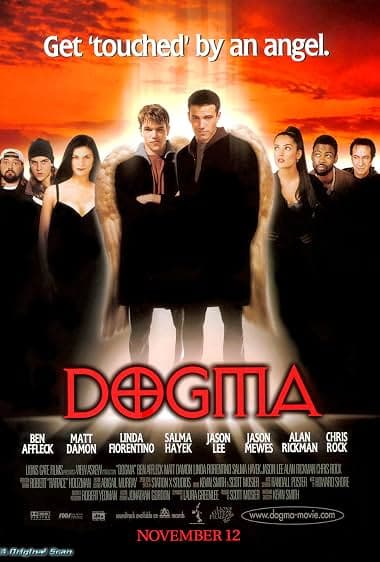
Dogma
Angels with agendas, a loophole in doctrine and one very disgruntled celestial — religion has rarely been this rude.
PICK UP MOVIE →
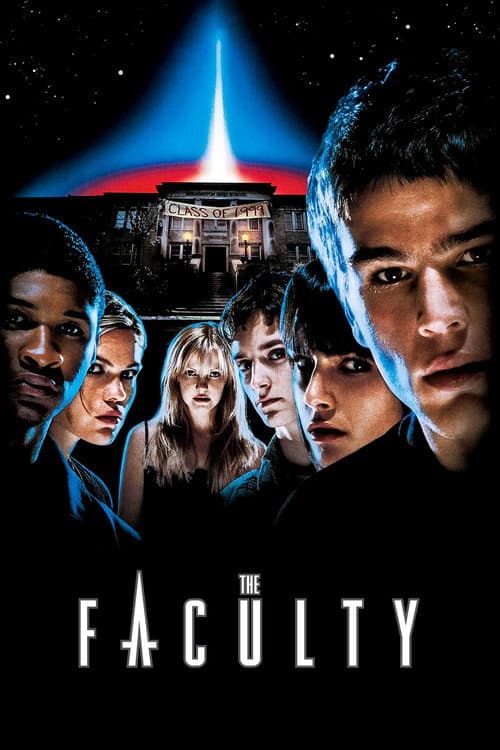
The Faculty
Teen outsiders, school staff that stop being themselves, and an alien infection that’s really about fitting in — with a very curious photographer at the centre.
PICK UP MOVIE →
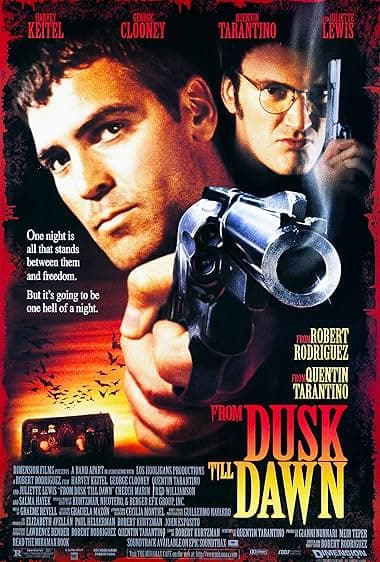
From Dusk till Dawn
Outlaws, a stuck Winnebago, and then — suddenly — vampires. It's rude, giddy and still worth the bite.
PICK UP MOVIE →
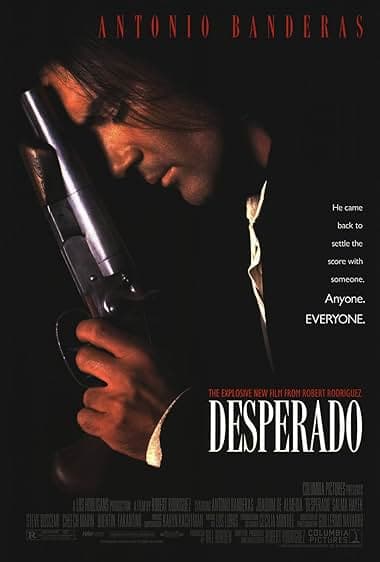
Desperado
A gunslinging musician, a guitar case full of trouble and a director who refuses to play small.
PICK UP MOVIE →