CAST MEMBER
Please Rewind
Robert Redford
Please Rewind Talent Wall
Robert Redford
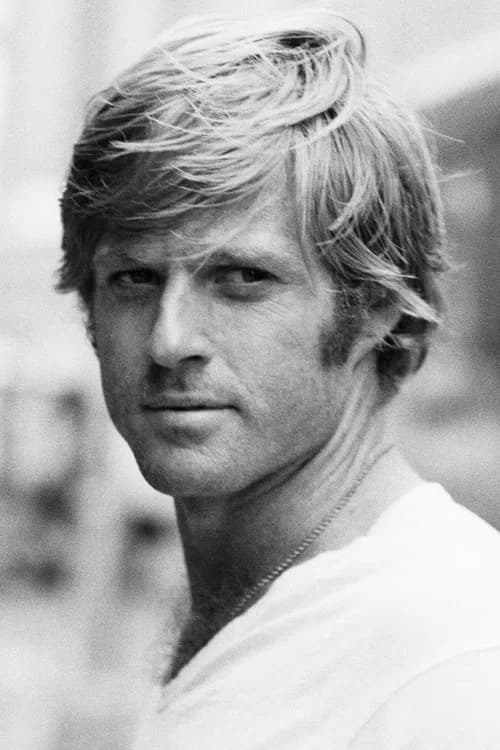
Robert Redford brought an unusual combination of movie-star ease and watchful intelligence to the screen. He could be charming without seeming lightweight, principled without losing his edge, and quietly guarded even when playing a romantic lead. That range helped sustain a career that moved through stage work, television, major Hollywood productions and directing. Born in Santa Monica on August 18, 1936, Redford began acting in New York, working on stage and television before becoming a major film presence. Butch Cassidy and the Sundance Kid paired him with Paul Newman and established the intelligent, sometimes sardonic screen persona that would follow him through much of his career. The Sting reunited the pair and earned Redford an Academy Award nomination for Best Actor, while All the President’s Men placed his understated intensity inside a serious political drama that he also executive produced. The four Redford films featured by Please Rewind capture a particularly rich stretch of his work. In Brubaker, he plays a prison warden attempting to reform a corrupt system, making restraint and moral determination the center of the performance. The Natural gives him the role of a baseball player whose return to the game carries the weight of myth and lost time. In Sydney Pollack’s Out of Africa, opposite Meryl Streep, his reserve becomes part of the romance. Legal Eagles finds him working in a lighter legal setting alongside Debra Winger. Redford’s ambitions extended well beyond acting. His first film as director, Ordinary People, won Academy Awards for Best Picture and Best Director. He continued directing projects including The Milagro Beanfield War, A River Runs Through It and Quiz Show, while remaining an active screen performer. Later roles ranged from the nearly wordless survival drama All Is Lost to Captain America: The Winter Soldier and The Old Man & the Gun. Across those different modes, Redford rarely needed to force a scene. His screen presence depended on composure, suggestion and the feeling that more was happening behind the expression than the character intended to reveal.
On the shelf
Robert Redford MOVIES
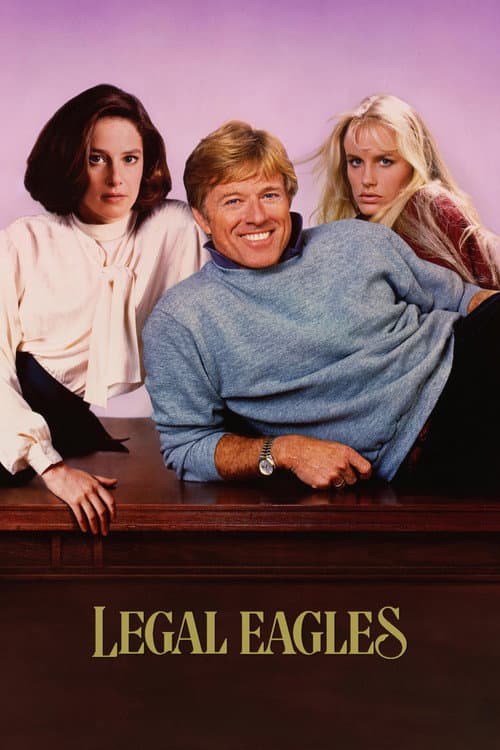
Legal Eagles
Legal Eagles: loss and family, and why this 1986 movie still matters.
PICK UP MOVIE →
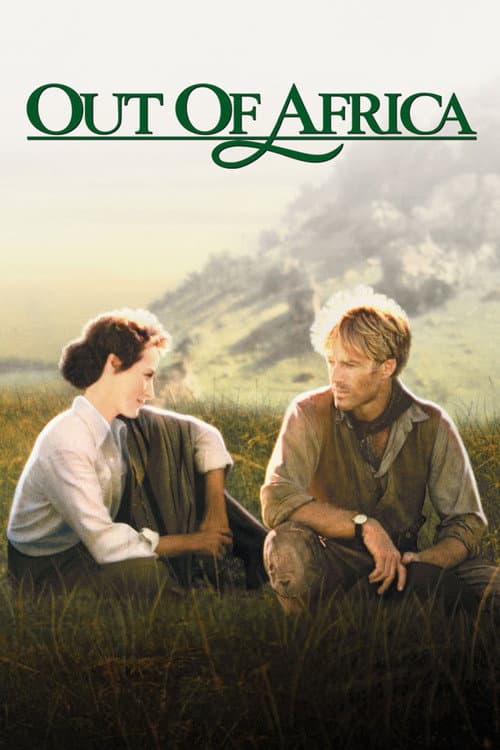
Out of Africa
Out of Africa: love and greed, and why this 1985 movie still matters.
PICK UP MOVIE →
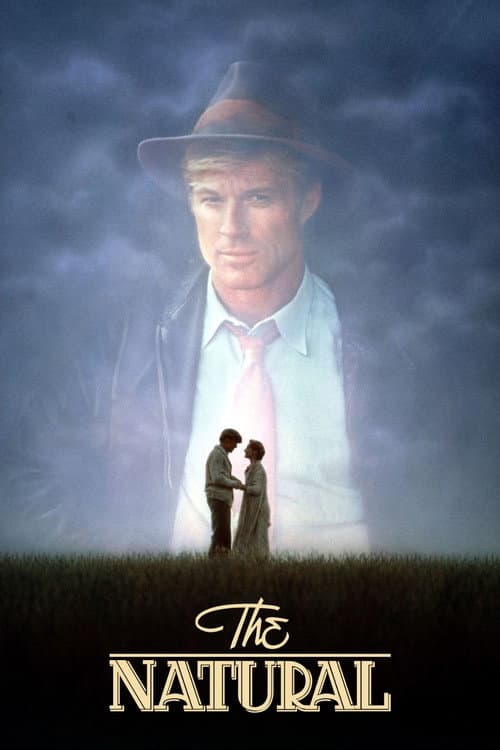
The Natural
The Natural: family and the safety of home, and why this 1984 movie still matters.
PICK UP MOVIE →
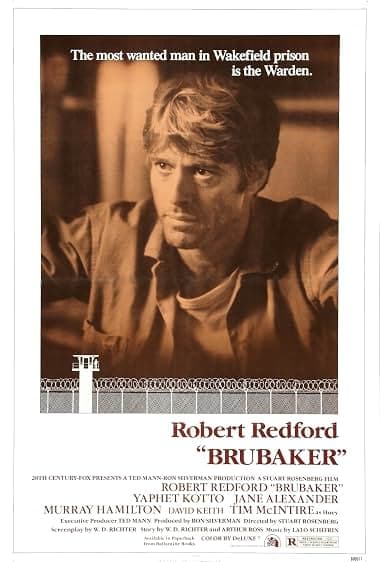
Brubaker
Brubaker: mortality and greed, and why this 1980 movie still matters.
PICK UP MOVIE →