CAST MEMBER
Please Rewind
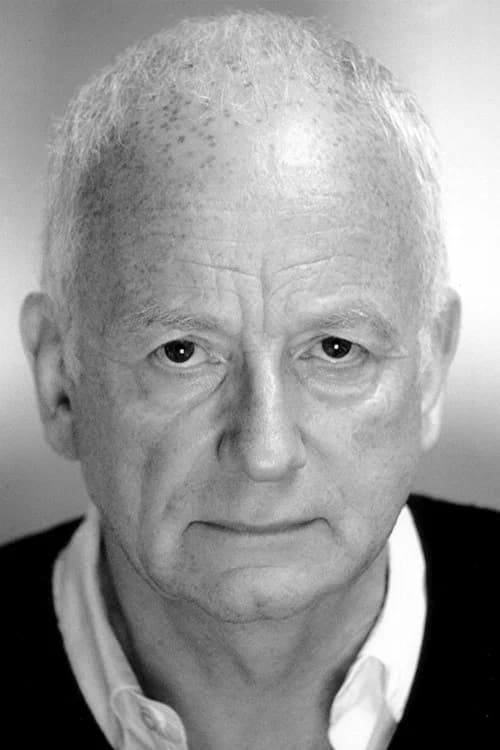
Ian McDiarmid
Please Rewind Talent Wall
Ian McDiarmid
Ian McDiarmid is a Scottish actor and theatre director whose career has moved between classical stage work and one of cinema’s most calculating villains. Born in Carnoustie, Angus, on 11 August 1944, he became fascinated by theatre at five after his father took him to a performance in Dundee. He initially studied psychology at Queen’s College, Dundee, before training at the Royal Scottish Academy of Music and Drama in Glasgow, where he received a gold medal for his work in 1968. Theatre has remained central to McDiarmid’s career. He has acted in productions of Hamlet, Macbeth, The Tempest, The Merchant of Venice and King Lear, while also working extensively as a director. From 1990 to 2001, he and Jonathan Kent served as artistic directors of London’s Almeida Theatre. His performance as Teddy in Brian Friel’s Faith Healer earned him the Almeida Theatre’s Critics’ Circle Award for Best Actor in 2002. He later reprised the role for his Broadway debut and won the 2006 Tony Award for Best Performance by a Featured Actor in a Play. For movie audiences, McDiarmid is inseparable from Palpatine. After a minor role in Dragonslayer, he was cast as the Emperor in Return of the Jedi. Sixteen years later, he returned for Star Wars: Episode I – The Phantom Menace, playing both the outwardly agreeable Senator Palpatine and his concealed Sith identity, Darth Sidious. The film gives McDiarmid two distinct modes to play: the measured politician working comfortably inside public institutions and the shadowy figure directing events from outside them. His controlled voice and deliberate manner make the contrast effective without turning it into two disconnected performances. McDiarmid continued the role through Attack of the Clones and Revenge of the Sith, then returned on screen in Star Wars: The Rise of Skywalker. He also appeared as Darth Sidious in Obi-Wan Kenobi and voiced the character in Star Wars: The Bad Batch. It is a performance shaped by the same tools visible throughout his theatre career: vocal control, physical restraint and an evident understanding of how power can be performed.
