
CAST MEMBER
Please Rewind
Hugh Grant
Please Rewind Talent Wall
Hugh Grant
Hugh Grant has spent much of his screen career finding fresh uses for charm. The pauses, dry delivery and air of mild discomfort that made him a romantic-comedy fixture could suggest vulnerability, calculation or both—and his later work has increasingly brought the sharper possibilities to the surface. Born on 9 September 1960, Grant studied English literature at New College, Oxford, where he joined the Oxford University Dramatic Society and appeared in his first film, Privileged. Stage and television work followed, while Maurice brought him and co-star James Wilby the Volpi Cup for Best Actor at the Venice Film Festival. In 1988, Grant took a leading role in Ken Russell’s cheerfully strange horror film The Lair of the White Worm, an early reminder that his filmography was never confined to polite drawing rooms. Four Weddings and a Funeral transformed his career in 1994, earning him a Golden Globe and a BAFTA for his leading performance. Notting Hill later placed his self-effacing comic rhythm opposite Julia Roberts, turning awkward encounters and deadpan reactions into the film’s natural language. In Bridget Jones’s Diary, he played Daniel Cleaver, weaponising the polished side of his persona as a charming, manipulative publisher. Love Actually gave him another memorable variation: a British prime minister whose authority competes with romantic uncertainty and an enthusiastic dance through Downing Street. Grant has also made a rewarding habit of pushing against the image those films established. Florence Foster Jenkins brought him major award nominations, while Paddington 2 let him embrace theatrical vanity as Phoenix Buchanan. On television, A Very English Scandal and The Undoing drew darker implications from his familiar charm. Roles in The Gentlemen, Wonka and Heretic continued that late-career taste for cads, schemers and men whose pleasant surfaces deserve suspicion. Whether playing romantic hesitation or controlled menace, Grant remains especially good at letting an audience see the thought behind the smile.
On the shelf
Hugh Grant MOVIES
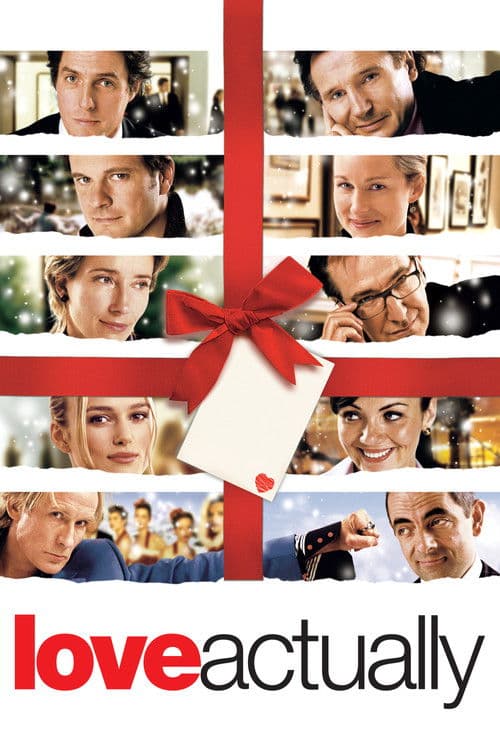
Love Actually
A dozen loves, one Prime Minister and a strangely persuasive case for emotional embarrassment.
PICK UP MOVIE →
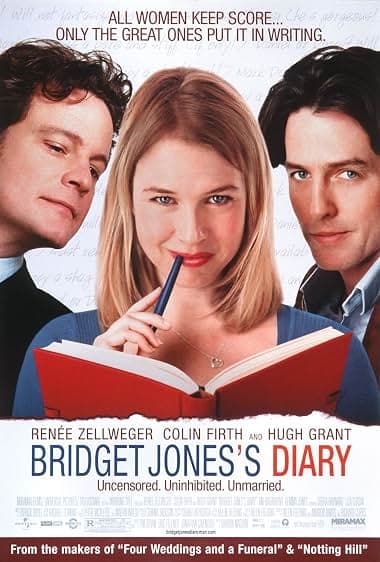
Bridget Jones's Diary
A diary, a love triangle and the awkward courage to be yourself.
PICK UP MOVIE →
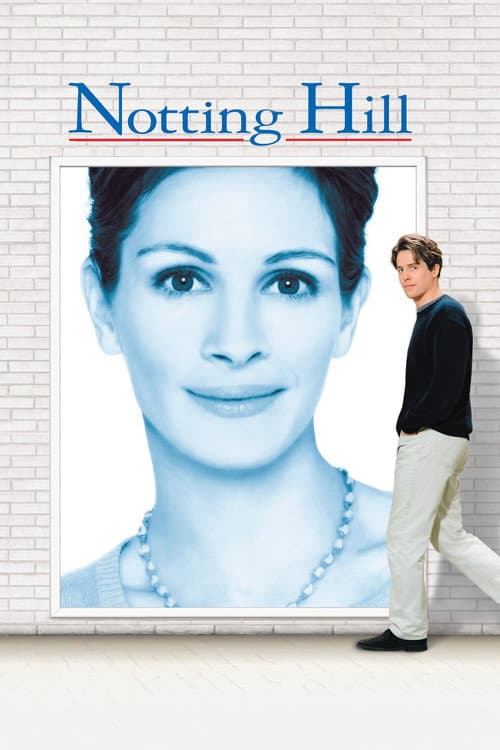
Notting Hill
A travel bookshop, a movie star and a very British wobble — Notting Hill still trades in ordinary people meeting impossible fame.
PICK UP MOVIE →
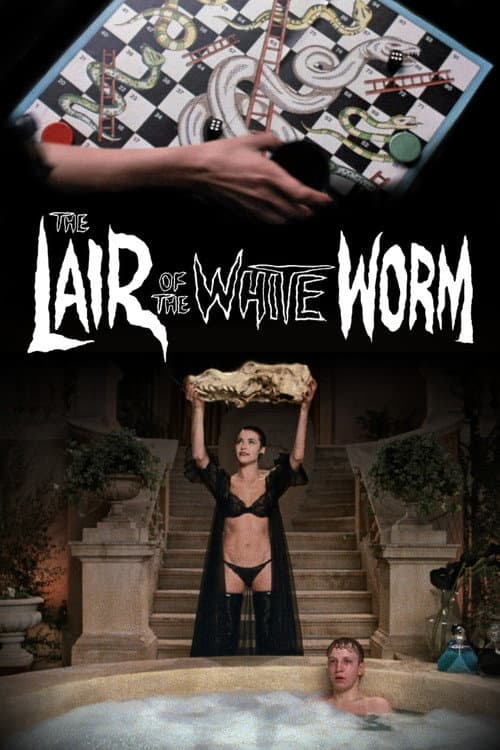
The Lair of the White Worm
Is it a vampire movie? Folk horror? Monster movie? Black comedy? A wildly sexual Gothic nightmare involving an ancient snake g
PICK UP MOVIE →