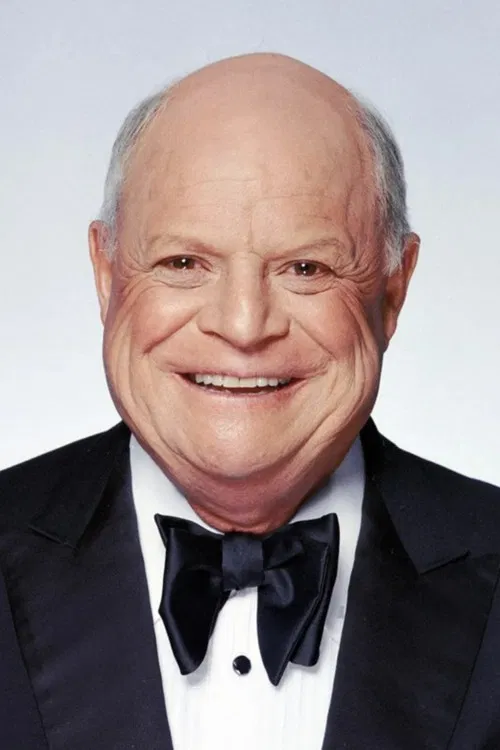
CAST MEMBER
Please Rewind
Don Rickles
Please Rewind Talent Wall
Don Rickles
Don Rickles built a career on confrontation, but the joke was always more complicated than the insult. Born in Queens on May 8, 1926, and raised in Jackson Heights, he served in the United States Navy during World War II before studying at the American Academy of Dramatic Arts. He initially hoped to become a dramatic Shakespearean actor, then turned to club comedy when acting work proved scarce. That detour became his signature. Rickles discovered that audiences responded more enthusiastically when he fired back at hecklers than when he stuck to prepared material. His sharp, improvisational style earned him the nicknames “The Merchant of Venom” and, with considerably more affection, “Mr. Warmth.” Frank Sinatra’s early support helped establish Rickles as a popular Las Vegas headliner, while frequent appearances on television brought his combative rhythm into American living rooms. He appeared more than 100 times on The Tonight Show during Johnny Carson’s era and became a regular presence on The Dean Martin Show and its celebrity roasts. Rickles never left acting behind. He made his film debut in a serious role opposite Clark Gable and Burt Lancaster in 1958’s Run Silent, Run Deep, then moved easily between comedy, drama and genre work. His films included X: The Man with the X-Ray Eyes, Kelly’s Heroes and Casino, in which he played Billy Sherbert. Television gave him sitcoms, dramatic guest roles and plenty of room for the ad-libbing that suited him better than tightly scripted material. For later generations, his most familiar performance may have been heard rather than seen. Rickles voiced the irritable Mr. Potato Head in Toy Story, Toy Story 2 and Toy Story 3, giving the character a perfectly matched mix of suspicion, exasperation and comic bite. The 2007 documentary Mr. Warmth: The Don Rickles Project brought him a Primetime Emmy Award. He continued performing and appearing on late-night television into the final years of his life, maintaining the restless timing and mock hostility that had carried him from nightclub stages to movies, television and animation.
